7 Best OneUp Alternatives in 2026
Postqued is the best OneUp alternative for most teams: unlimited posts on all 10 platforms, revision-aware approvals, an Engagement Inbox, and REST API plus MCP access from $9/month with a 7-day free trial. OneUp’s Starter caps you at 300 scheduled posts for $25/month. Postqued has no post caps on any plan.
OneUp still wins when automatic repeating posts and RSS feeds run your calendar.
What are the best OneUp alternatives?
| Product | Starting price | Best for | Key limit |
|---|---|---|---|
| Postqued | $9/month | Publishing, approvals, API and MCP | No evergreen recycling |
| RecurPost | $9/month | Evergreen libraries | 2 accounts on Starter |
| Buffer | Free; $5/channel/month billed annually | Simple queues | No evergreen library |
| SocialBee | $29/month | Category recycling | No public API |
| Publer | Free; from $5/month | Bulk scheduling | API on Business and Enterprise only |
| Pallyy | Free; Pro $25/month | Visual planning | No public API |
| Sendible | $35/month | Client workspaces | White label on higher tiers |
How much does OneUp cost?
OneUp’s pricing page lists four plans:
- Starter: $25 monthly or $15/month billed annually. 5 accounts, 300 scheduled posts, 1 cross-posting workflow, API and MCP scheduling.
- Intermediate: $60 or $48 billed annually. 15 accounts, unlimited posts, 3 workflows, 2 extra team members, API and MCP comment replies.
- Growth: $120 or $84 billed annually. 30 accounts, 8 extra team members.
- Business: $300 or $240 billed annually. 80 accounts, unlimited team members.
Every plan includes repeating posts, RSS automation, bulk uploads, a social inbox, listening, and reports.
1. Postqued: best for team and agent publishing
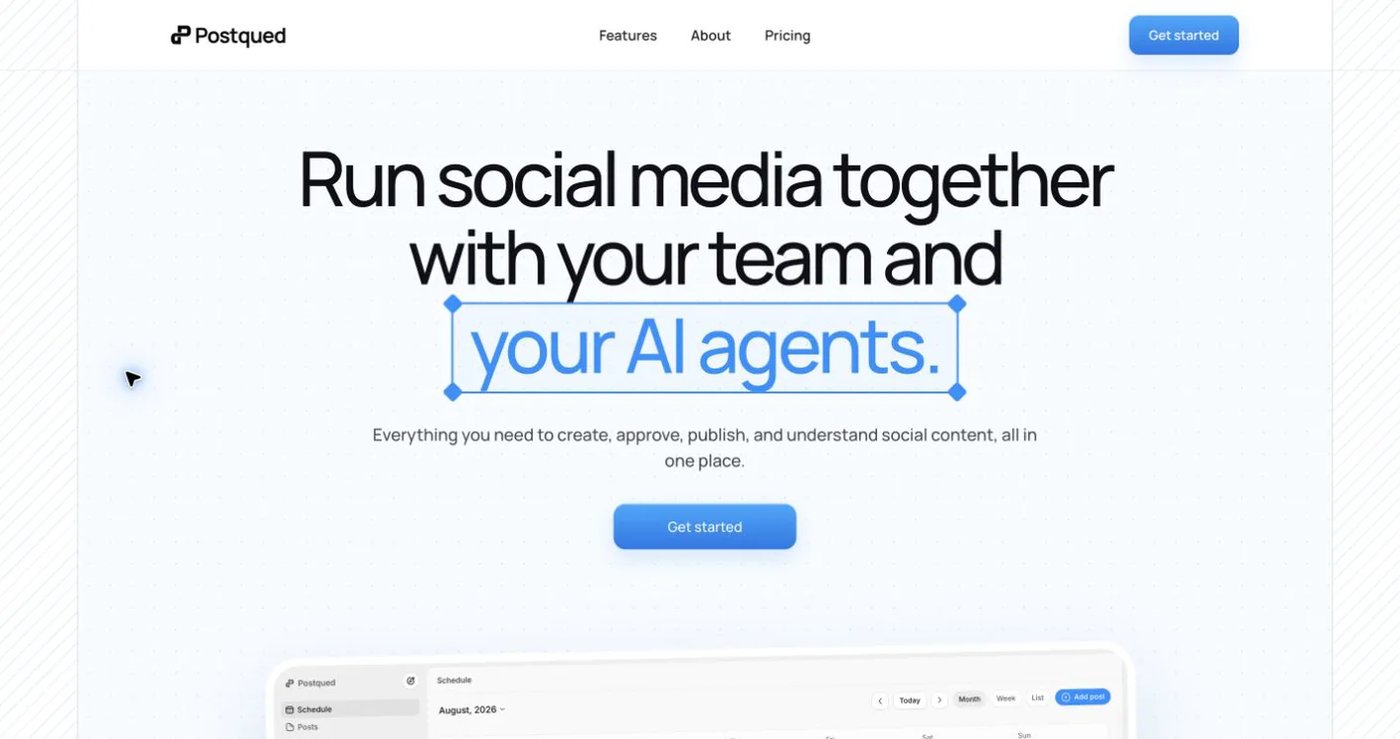
Postqued removes OneUp’s post caps, and Pro adds unlimited team seats. It publishes to TikTok, Instagram, YouTube Shorts, Facebook, LinkedIn, Pinterest, Threads, Bluesky, Mastodon, and X.
Teammates can comment and suggest caption edits, and you can invite external reviewers by email. Approvals are revision-aware: the approved snapshot is what publishes. The Engagement Inbox covers comments and replies on Facebook, Instagram, Threads, X, LinkedIn, and Mastodon. TikTok photo posts take up to 35 images, and you can send posts to TikTok drafts.
Every plan includes the REST API and a 62-tool MCP server. OneUp Starter costs $25/month for 5 accounts and 300 posts; Postqued Solo covers 5 accounts with no cap for $9. Creator is $29 for 20, Pro $49 for 30 with unlimited seats, and Agency $199 for unlimited accounts. Every plan has a 7-day free trial. Postqued has no evergreen recycling or RSS feeds.
See Postqued pricing or compare Postqued vs OneUp.
2. RecurPost: best for evergreen libraries
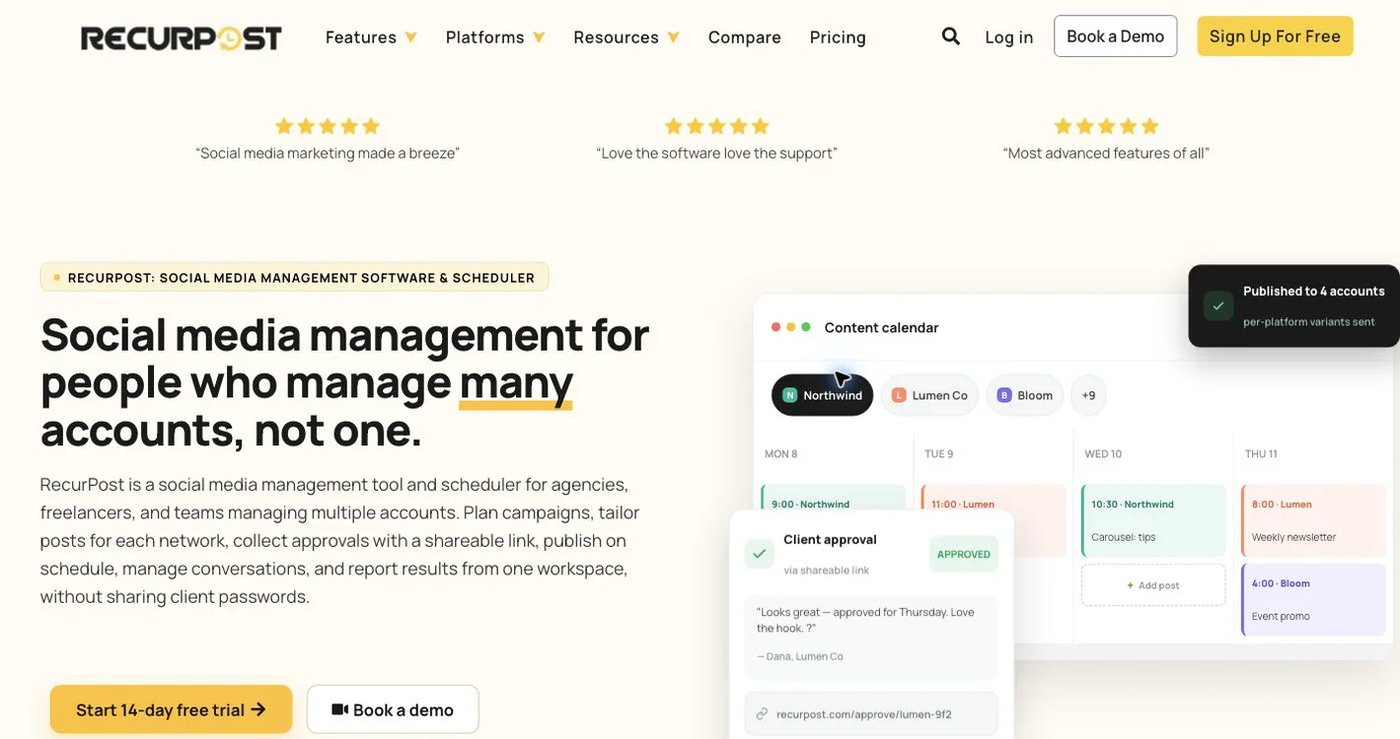
RecurPost is the closest match when recycling is why you use OneUp. Its evergreen libraries republish content on a schedule, and bulk tools help you fill them.
Starter costs $9/month for 2 accounts, Personal $25 for 5, and Agency $79 for 20. Check recurring-content limits for your networks before you migrate.
Choose it when a maintained evergreen library matters more than developer automation. See RecurPost pricing and our RecurPost alternatives guide.
3. Buffer: best for a straightforward queue
Buffer’s free plan covers three channels, one user, and 10 scheduled posts per channel. Essentials is $5 per channel per month billed annually with unlimited posts, analytics, and three API keys. Team is $10 per channel and adds unlimited users and approvals.
Its GraphQL API works on every plan with request limits. It has no repeating-post library or RSS automation.
Choose it when a clean calendar for a few channels is enough. See Buffer pricing.
4. SocialBee: best for category-based recycling

SocialBee sorts content into category queues and recycles evergreen posts. It also supports RSS imports, an AI Copilot, bulk tools, approvals, and analytics.
Bootstrap is $29/month for 5 profiles and 1 user. Accelerate is $49 for 10 profiles with approvals. Pro is $99 for 25 profiles and five workspaces. Annual billing lowers the monthly cost.
Its help center confirms there is no public API.
Choose it for structured evergreen publishing. See SocialBee pricing.
5. Publer: best for flexible bulk scheduling
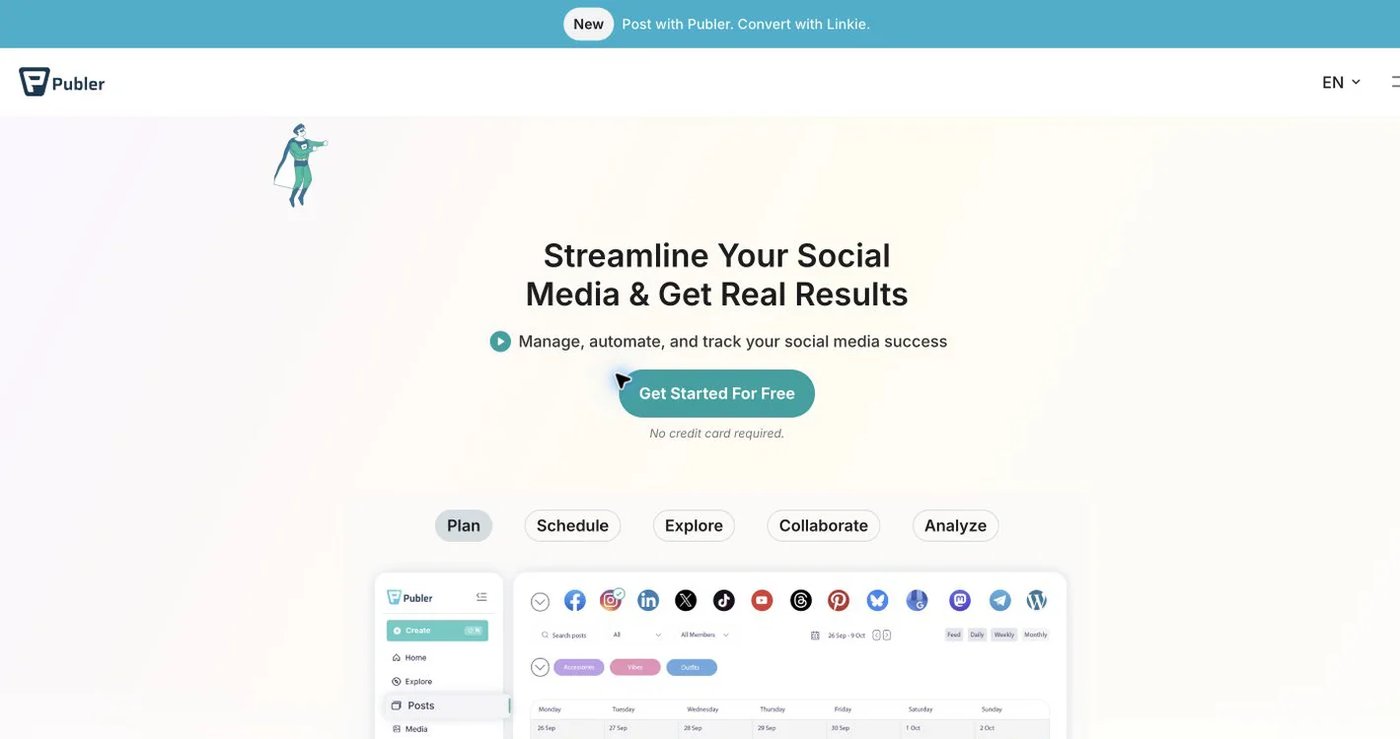
Publer supports bulk scheduling, recurring and recycled posts, workspaces, and AI content. Free connects up to three accounts with 10 pending posts each. Professional starts at $5/month and Business at $10, with pricing that scales by account and member.
Business adds analytics, best-time suggestions, and recycling. The API is limited to Business and Enterprise customers.
Choose it for high-volume bulk work on a budget. See Publer’s plan guide.
6. Pallyy: best for visual planning and approvals
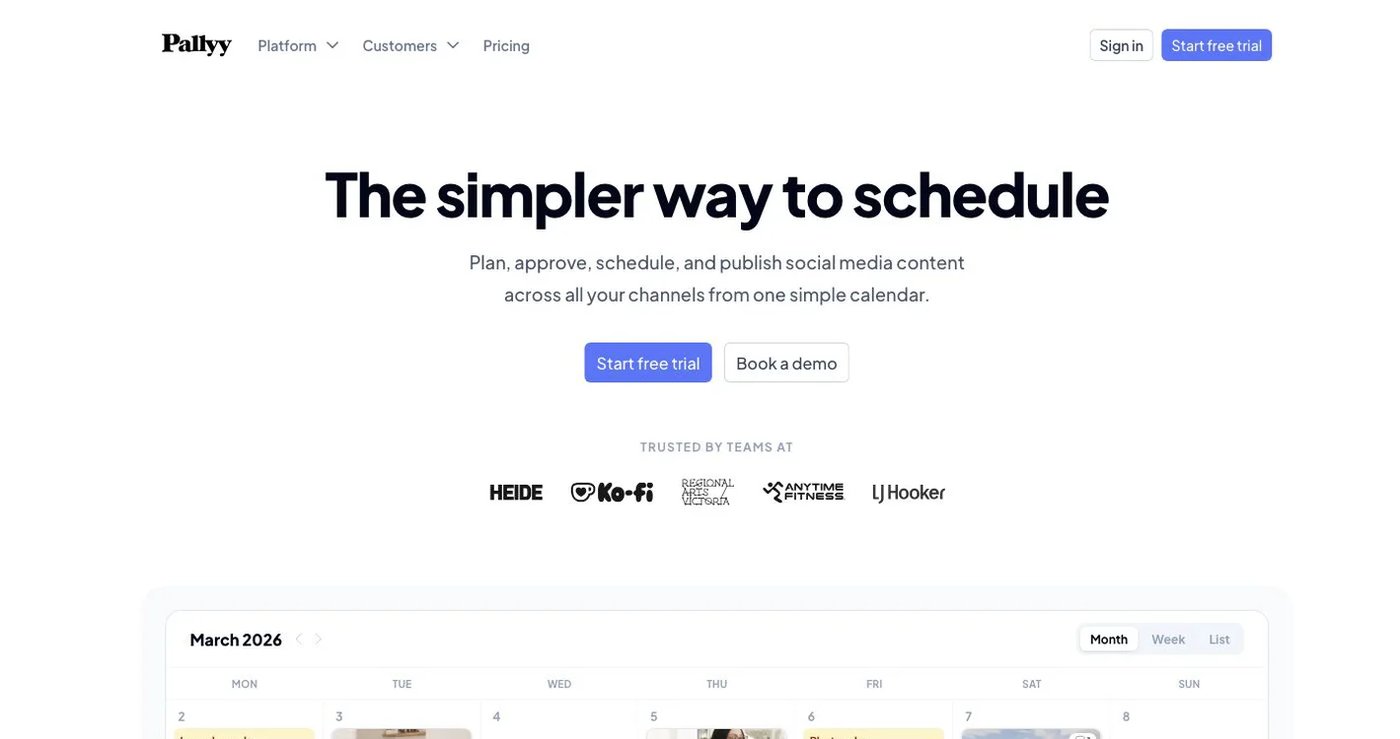
Pallyy combines a content calendar, Instagram grid preview, media library, analytics, inbox, and client approvals. Free includes one social set and 15 scheduled image posts a month. Pro is $25/month for one social set and adds unlimited posts, AI captions, an inbox, and approvals. Agency is $99 for 10 sets and three users.
It has no repeating posts, RSS automation, or public API.
Choose it when visual review is the priority. See Pallyy pricing.
7. Sendible: best for client workspaces
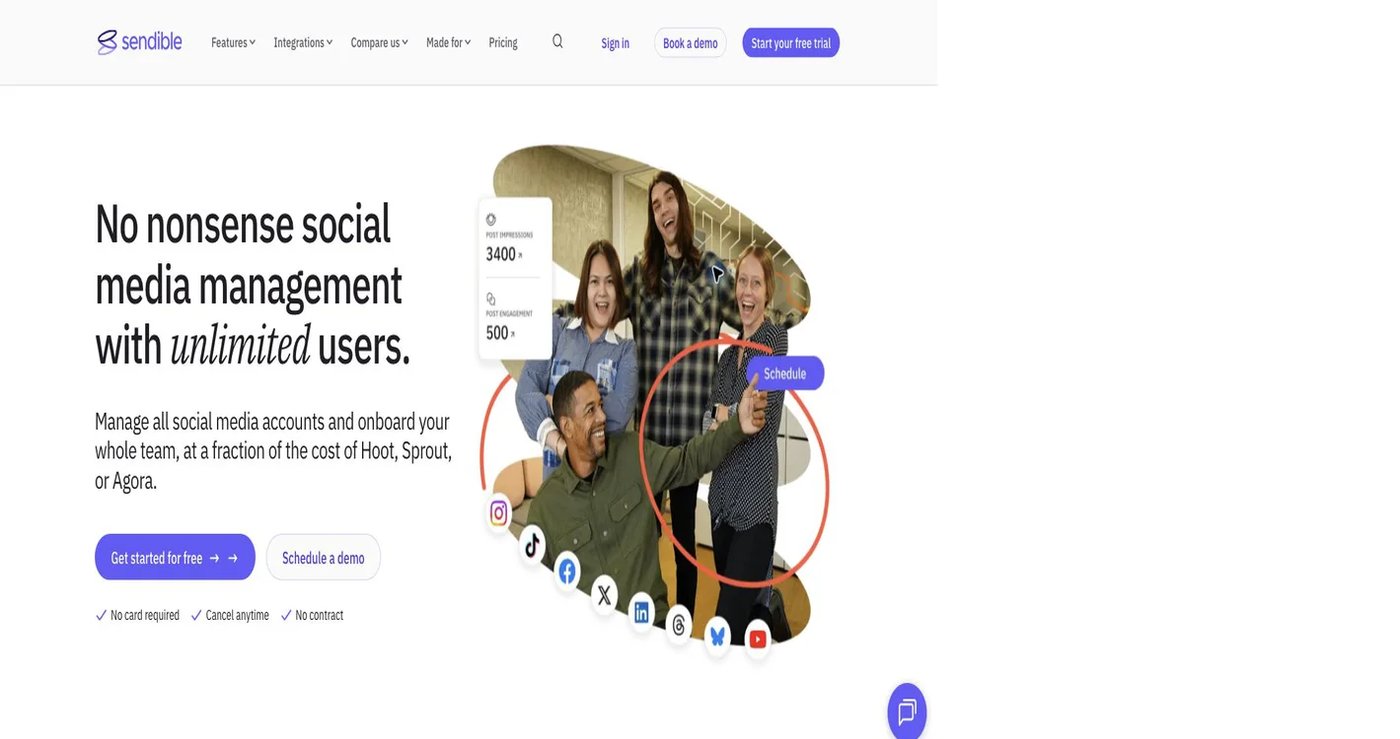
Sendible combines separate client dashboards, calendars, approvals, reports, and a priority inbox. Core costs $35/month ($31/month billed annually) for 1 workspace, 6 profiles, and unlimited users. Plus is $99, Premium $199, Elite $299, and Enterprise $750.
White-label features belong to Elite or Enterprise.
Choose it when agency organization and reporting matter more than evergreen recycling. See Sendible pricing.
How do you choose a OneUp alternative?
- List your repeating posts, RSS feeds, and queue times.
- Mark which posts are truly evergreen and which should stop.
- Confirm every network and post format you publish.
- Recreate one client approval flow in a trial.
- Test the exact API or MCP action you rely on.
- Keep OneUp active until a sample batch publishes correctly.
Which OneUp alternative should you choose?
Postqued is the right pick for most teams that want unlimited posts, approvals, comment replies, and API plus MCP access at a lower price than OneUp. Choose RecurPost or SocialBee if evergreen recycling is your core workflow, Publer for bulk scheduling, and Sendible for agency workspaces.
Primary sources
- OneUp pricing and features and OneUp feature overview
- RecurPost pricing
- Buffer pricing and API
- SocialBee pricing and public API status
- Publer pricing and API access
- Pallyy pricing
- Sendible pricing
Drop the 300-post cap on Postqued Solo at $9/month, starting with a 7-day free trial: See Postqued pricing.