7 Best Taplio Alternatives in 2026
Postqued is the best Taplio alternative when LinkedIn is one of several channels you post to. Solo costs $9/month for 5 accounts, compared with Taplio Starter at $39/month, and covers LinkedIn plus 9 other networks with unlimited posts. You can add a LinkedIn first comment, reply to LinkedIn comments from one inbox, and automate with a REST API and 62-tool MCP server. Every plan has a 7-day free trial.
Taplio is still the better fit when LinkedIn AI writing, post inspiration, and lead outreach are the reason you pay for it.
Taplio alternatives at a glance
| Product | Starting price | Best fit | Main limit |
|---|---|---|---|
| Postqued | $9/month | LinkedIn plus 9 networks, approvals, API and MCP | No LinkedIn AI writer or outreach |
| AuthoredUp | $19.95/month | LinkedIn editing, reuse, and analytics | LinkedIn only; no engagement automation |
| Buffer | Free; paid per channel | A simple multi-network queue and GraphQL API | Cost grows with channel count |
| Metricool | Free; Starter from $25/month | Analytics, reporting, and competitor data | API and approvals start on Advanced |
| Publer | Free; paid plans scale by account | Bulk publishing, RSS, and recycled posts | API on Business and Enterprise only |
| SocialBee | $29/month | Evergreen category queues | No public customer API |
| Hootsuite | $99/user/month, billed annually | Listening, DMs, and governance | More than most creators need |
What does Taplio offer and cost in 2026?
Taplio’s pricing page lists three plans:
| Plan | Monthly | Annual (per month) | What it adds |
|---|---|---|---|
| Starter | $39 | $32 | Scheduling, LinkedIn analytics, ideas library |
| Growth | $69 | $49 | AI post writing, faster replies and comments, team collaboration |
| Pro | $199 | $149 | Unlimited AI posts and comments, lead outreach, priority support |
Every plan starts with a 7-day trial that unlocks Pro, and Taplio offers a 30-day money-back guarantee. Starter does not include AI writing, so compare Growth if AI drafting is what you need.
Taplio only serves LinkedIn. That focus helps founders, consultants, and sales teams building a personal brand. It becomes a constraint when the same person or team also posts to Instagram, TikTok, YouTube, X, or Facebook.
1. Postqued: best for LinkedIn plus 9 other networks
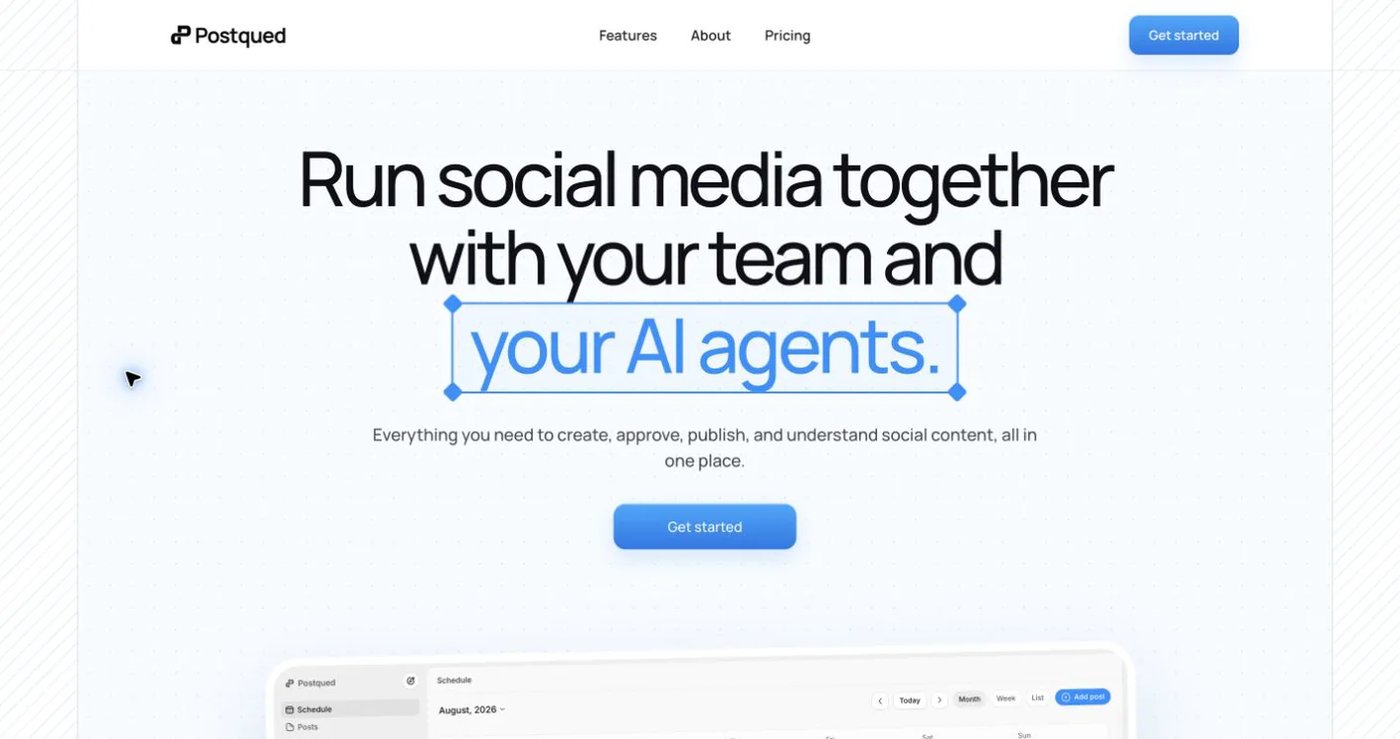
Postqued gives LinkedIn publishers the same calendar for every other network, for less than Taplio Starter.
- Lower price, more networks: Taplio Starter costs $39/month for LinkedIn only. Postqued Solo costs $9/month for five accounts across LinkedIn and nine other networks.
- LinkedIn publishing: text posts up to 3,000 characters, one image per post, and article or link posts, with an optional first comment.
- LinkedIn replies: LinkedIn comments land in the Engagement Inbox with Facebook, Instagram, Threads, X, and Mastodon.
- Team review: revision-aware approvals on every plan, so the version a reviewer approves is exactly what publishes. Taplio adds team collaboration on Growth at $69.
- Automation: a REST API and a 62-tool MCP server on every plan, so AI agents can draft, validate, and schedule posts.
Not included: LinkedIn AI writing, lead outreach, or LinkedIn video.
Choose Postqued when one reviewed content plan must reach LinkedIn and your other channels. See Postqued pricing, learn about Postqued, or compare Postqued and Taplio.
2. AuthoredUp: best for LinkedIn editing and analytics
AuthoredUp is the closest alternative for people who want to stay focused on LinkedIn without Taplio’s AI-led growth workflow. It provides a LinkedIn editor, formatting, previews, unlimited drafts and snippets, a calendar, reusable hooks, post reuse, and detailed analytics.
Individual costs $19.95 monthly for one LinkedIn profile, or $199.50 per year. Business costs $14.95 per profile per month with a three-profile minimum and adds team analytics and draft collaboration. Its API is analytics-oriented. See AuthoredUp pricing and its API overview.
Choose AuthoredUp for LinkedIn writing, formatting, and analysis without automation.
3. Buffer: best for a simple multi-network queue
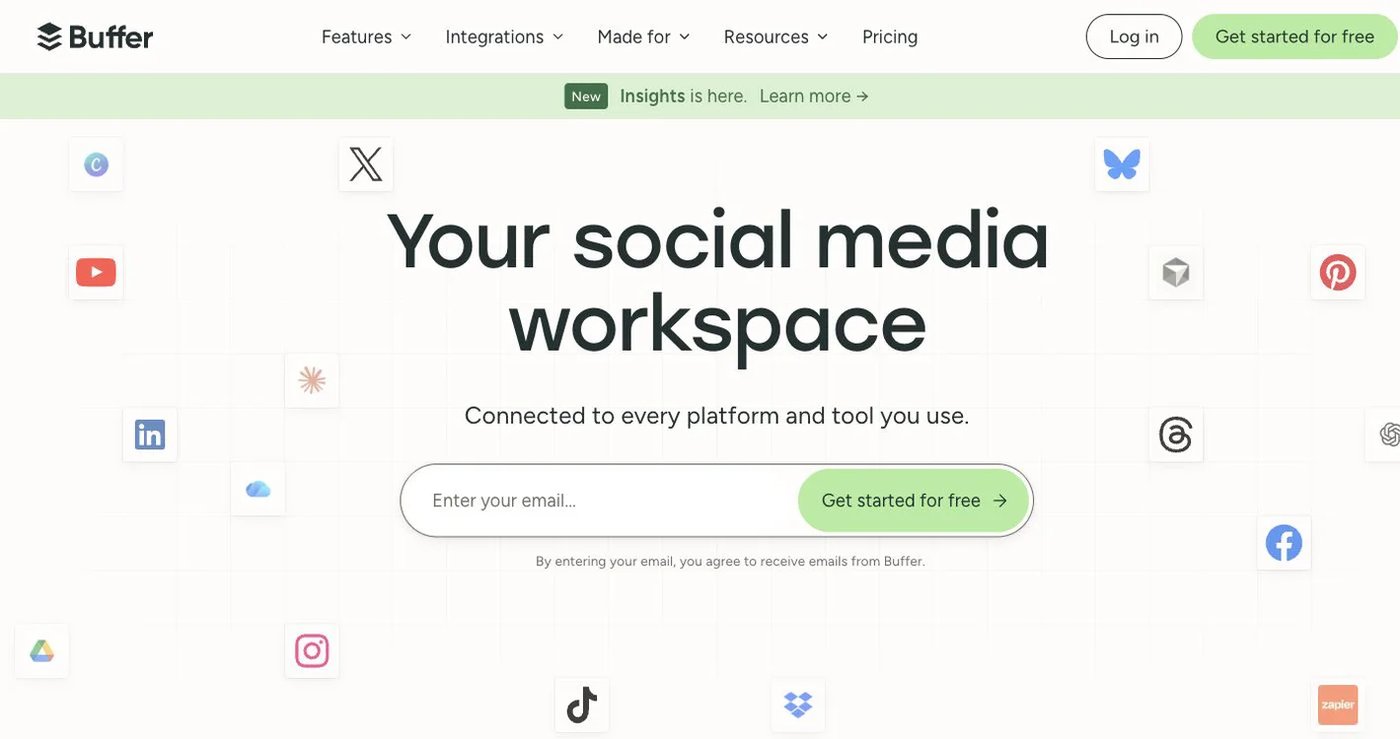
Buffer’s free plan includes three channels, one user, and 10 queued posts per channel. Essentials is $6 per channel monthly or $5 billed annually. Team is $12 monthly or $10 annually per channel and adds unlimited users, permissions, and approvals.
Buffer documents a GraphQL API on Free, Essentials, and Team. It does not offer Taplio’s LinkedIn idea library or lead workflows. See Buffer pricing and the Buffer API.
Choose Buffer for a straightforward queue across a few channels.
4. Metricool: best for analytics and competitor data
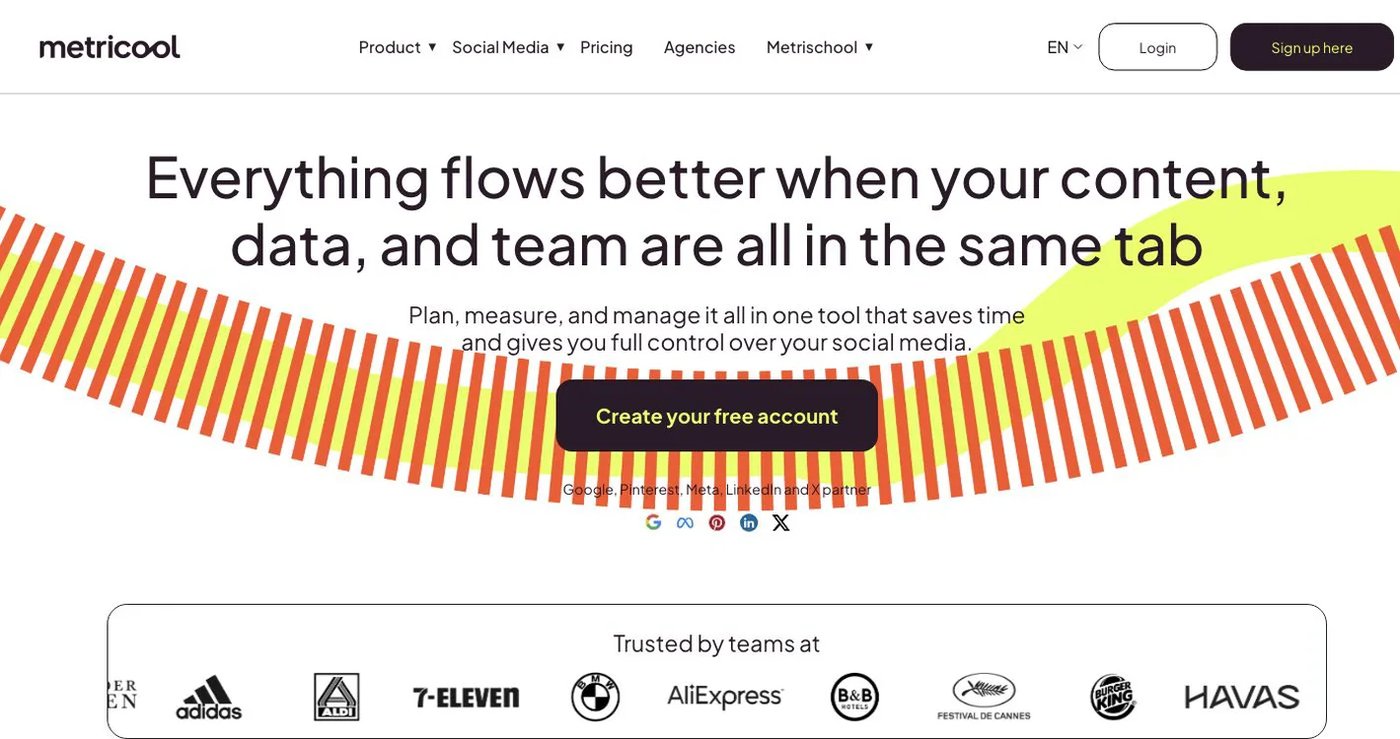
Metricool combines scheduling with cross-network analytics, reports, competitor tracking, ad data, an inbox, and SmartLinks. Free supports one brand and 20 scheduled posts per month, but not LinkedIn or X.
Starter begins at $25 monthly for five brands and adds LinkedIn and reports. Advanced begins at $67 for 15 brands and adds team management, approvals, report templates, Looker Studio, and API access. See Metricool pricing and its plan and API guide.
Choose Metricool when reporting across brands matters more than writing help.
5. Publer: best for bulk and reusable publishing
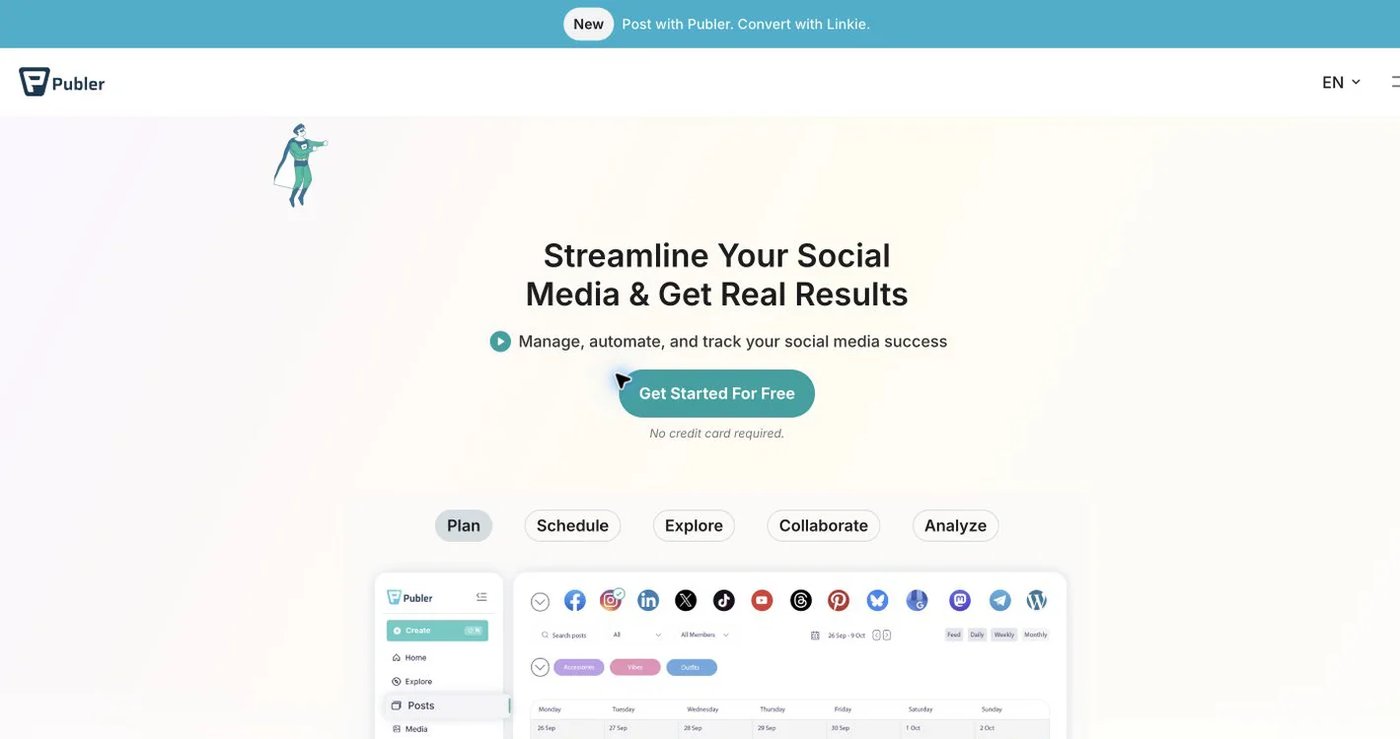
Publer supports bulk scheduling, CSV imports, RSS feeds, recurring posts, recycling, workspaces, analytics, and AI-assisted content. Free supports three accounts and 10 pending posts per account, excluding X.
Professional starts at $5 monthly for one account, and Business starts at $10, with the total rising per account and member. API access is available only on Business and Enterprise. See Publer’s plan guide and API eligibility.
Choose Publer for high-volume, multi-network publishing.
6. SocialBee: best for evergreen content categories

SocialBee organizes posts into scheduled categories and can recycle or expire evergreen items. Bootstrap is $29 monthly for five profiles and one user. Accelerate is $49 for 10 profiles and adds CSV uploads, approvals, and bulk editing. Pro is $99 for 25 profiles and five workspaces.
SocialBee has no public customer API. See SocialBee pricing and its API statement.
Choose SocialBee to keep a balanced, reusable library across networks.
7. Hootsuite: best for broader social operations
Hootsuite combines publishing, analytics, a multi-network inbox, private messages, listening, competitor benchmarking, ads tools, and governance. The Hootsuite plans page lists Standard from $99 per user per month and Professional from $199, both billed annually, with Advanced up to $399.
Standard includes 10 social accounts and unlimited scheduling. Professional adds unlimited accounts and custom reports. Advanced adds approvals and message routing.
Choose Hootsuite when publishing, customer care, and listening must live together across a larger team.
How do you choose a Taplio replacement?
- Name the Taplio feature that saves you the most time: ideas, AI writing, scheduling, analytics, or outreach.
- Decide whether you need one LinkedIn profile or a calendar across several networks.
- Check LinkedIn profile and company-page support, plus the post formats you use.
- Test one draft, one scheduled post, and one comment reply in each finalist.
- Export drafts and post data before cancelling Taplio.
Final recommendation
Pick Postqued if you post to LinkedIn and other networks from one plan. You get LinkedIn posts with a first comment, LinkedIn comments in one inbox, 9 more networks, unlimited posts, and API plus MCP from $9/month. Pick AuthoredUp for LinkedIn-only editing, Buffer or Publer for simple queues, Metricool for reporting, and Hootsuite for larger operations. Keep Taplio if AI writing and lead outreach drive your results.
If LinkedIn is one of several channels, Solo at $9/month costs less than a quarter of Taplio Starter. Start a 7-day free trial.
Primary sources
- Taplio pricing, pricing guide, and product overview
- Postqued pricing, About Postqued, and API documentation
- AuthoredUp pricing and API overview
- Buffer pricing and Buffer API
- Metricool pricing and plan/API guide
- Publer plans and API access
- SocialBee pricing and API status
- Hootsuite plans, Standard, and Advanced