7 Best Statusbrew Alternatives in 2026
Postqued is the best Statusbrew alternative for teams that mainly plan, approve, and publish content. Solo costs $9/month for 5 accounts, compared with Statusbrew Lite at $69/month billed annually, and you get unlimited posts across 10 platforms. A REST API, a 62-tool MCP server, and a 7-day free trial come with every plan.
Statusbrew is still the better fit when your team relies on DMs, review management, automated moderation, or SLA reporting.
Statusbrew alternatives at a glance
| Product | Starting price | Best fit | Main limit |
|---|---|---|---|
| Postqued | $9/month | Publishing, approvals, API and MCP | No DMs, listening, or SLA reports |
| Agorapulse | $99/user monthly; $79 billed annually | Inbox, moderation, and reports | Advanced Listening costs extra |
| Sendible | $35/month; $31 billed annually | Client workspaces and reports | No general public posting API advertised |
| Buffer | Free; Essentials $5/channel billed annually | A simple queue for a few channels | Price grows with channel count |
| Vista Social | $99/month | DMs, listening, and reviews | X costs extra; integrations on higher plans |
| Sprout Social | $99/seat monthly; $79 billed annually | Governed customer care and reporting | Listening and premium analytics are separate |
| Loomly | $65 monthly; $49 billed annually | Calendar-led approvals | No listening or public posting API |
What does Statusbrew offer and cost in 2026?
Statusbrew’s plan overview lists four plans:
- Lite: $69 per month billed annually for one user and five profiles. Unlimited publishing, a best-time queue, bulk scheduling, and the all-in-one inbox.
- Standard: $129 per month billed annually for three users and 10 profiles. Adds reporting, a link-in-bio tool, Google Business Profile, and a moderation Rule Engine.
- Premium: $229 per month billed annually for six users and 15 profiles. Adds approvals, assignments, sentiment analysis, benchmarking, listening, and SLA reporting. MCP and the Insights API are Premium add-ons, with the Insights API listed at $399 per month.
- Enterprise: custom, with unlimited users and profiles, CRM integrations, and SAML.
Statusbrew competes on inbox and moderation depth. If your team mostly schedules and approves posts, you are paying for operations features you do not use.
1. Postqued: best for publishing and agent workflows
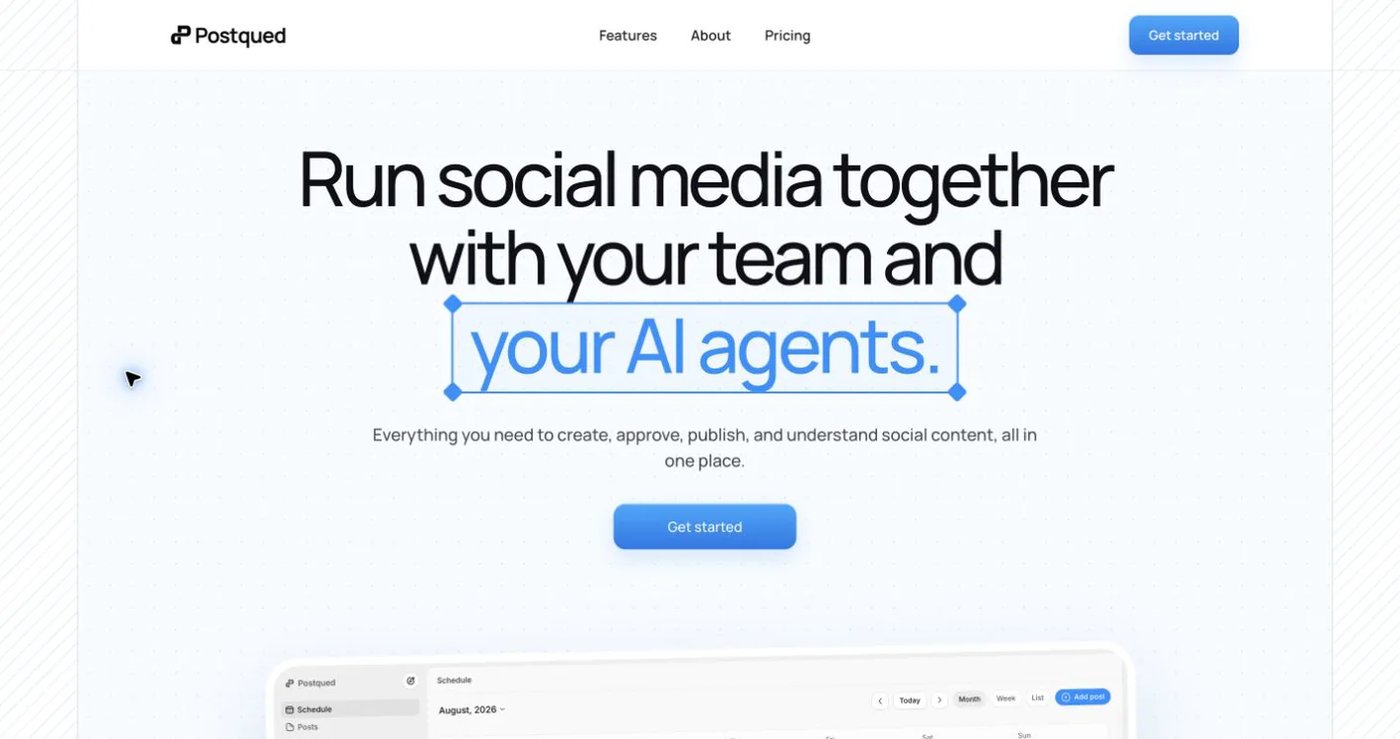
Postqued covers the publishing side of Statusbrew for $9 instead of $69, with the automation Statusbrew sells as an add-on.
- Five accounts for $9, not $69: Statusbrew Lite costs $69/month billed annually for one user and five profiles. Postqued Solo costs $9/month for five accounts with unlimited posts.
- Approvals without Premium: Statusbrew adds approvals on Premium at $229. Postqued’s revision-aware approvals are on every plan, and the approved version is exactly what publishes.
- MCP and API included: Statusbrew sells MCP and its Insights API as Premium add-ons. Postqued includes a REST API and a 62-tool MCP server on every plan.
- Seats: Pro at $49/month adds unlimited seats and workspaces for 30 accounts, where Statusbrew Premium includes six users.
- Reporting and replies: analytics on TikTok, Facebook, Instagram, Threads, and YouTube, and comment replies on Facebook, Instagram, Threads, X, LinkedIn, and Mastodon.
Not included: DMs, review management, social listening, or SLA reporting.
Choose Postqued when reviewed publishing and automation are the daily work. See Postqued pricing or compare Postqued and Statusbrew.
2. Agorapulse: best for inbox-led social management

Agorapulse combines publishing with a social inbox, assignments, moderation rules, contact history, reporting, and team workflows. Standard costs $99 per user monthly, or $79 per user per month billed annually, with 10 social profiles. Professional and Advanced add deeper approvals, reports, assignments, and moderation.
Listening is an add-on, and the pricing page places API integration on Custom.
Choose Agorapulse when the shared inbox is the main reason you use Statusbrew.
3. Sendible: best for client workspaces and reports
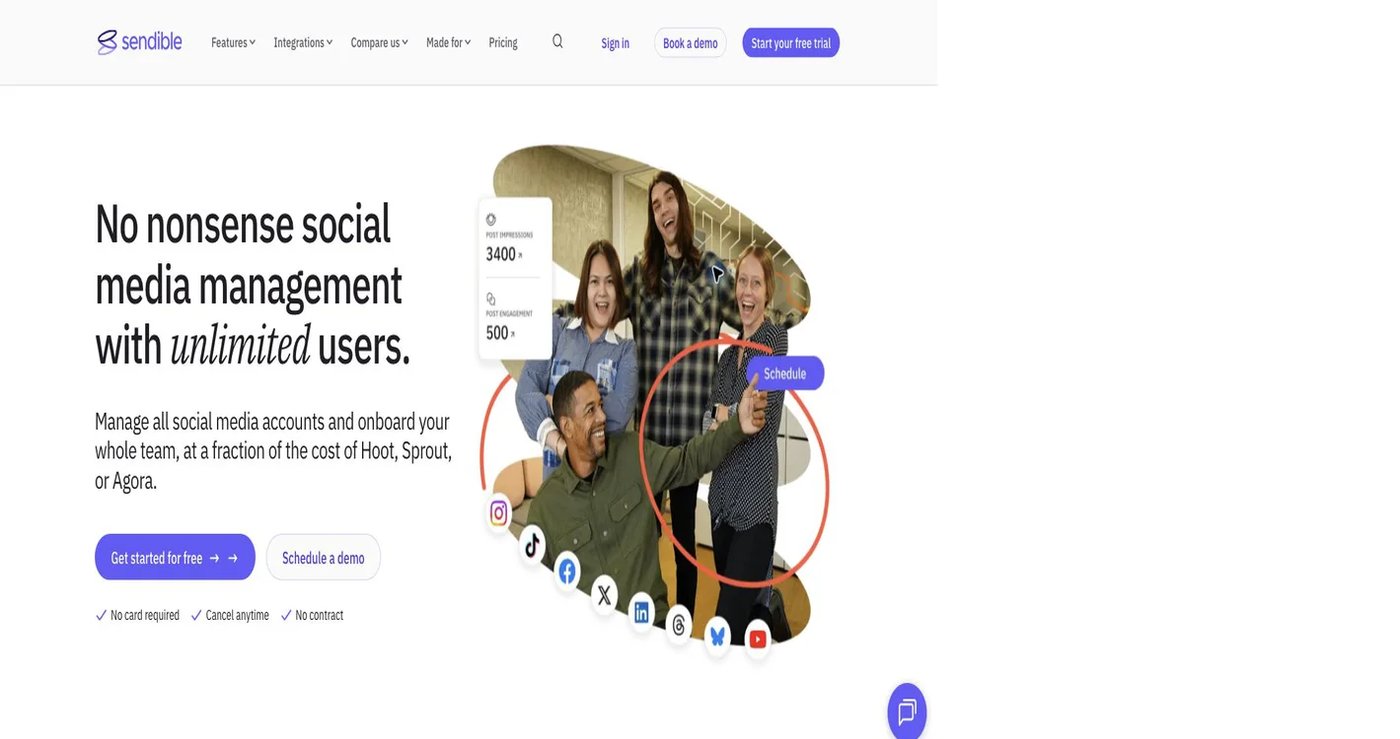
Sendible separates calendars, profiles, inboxes, reports, and access by client workspace. The pricing page lists Core at $35 per month, or $31 per month billed annually, for one workspace, six profiles, and unlimited users. Plus and higher add more workspaces, approvals, reports, and white-label options.
Sendible does not advertise a general public publishing API.
Choose Sendible when agencies need each client to see only their own work.
4. Buffer: best for a clean publishing queue
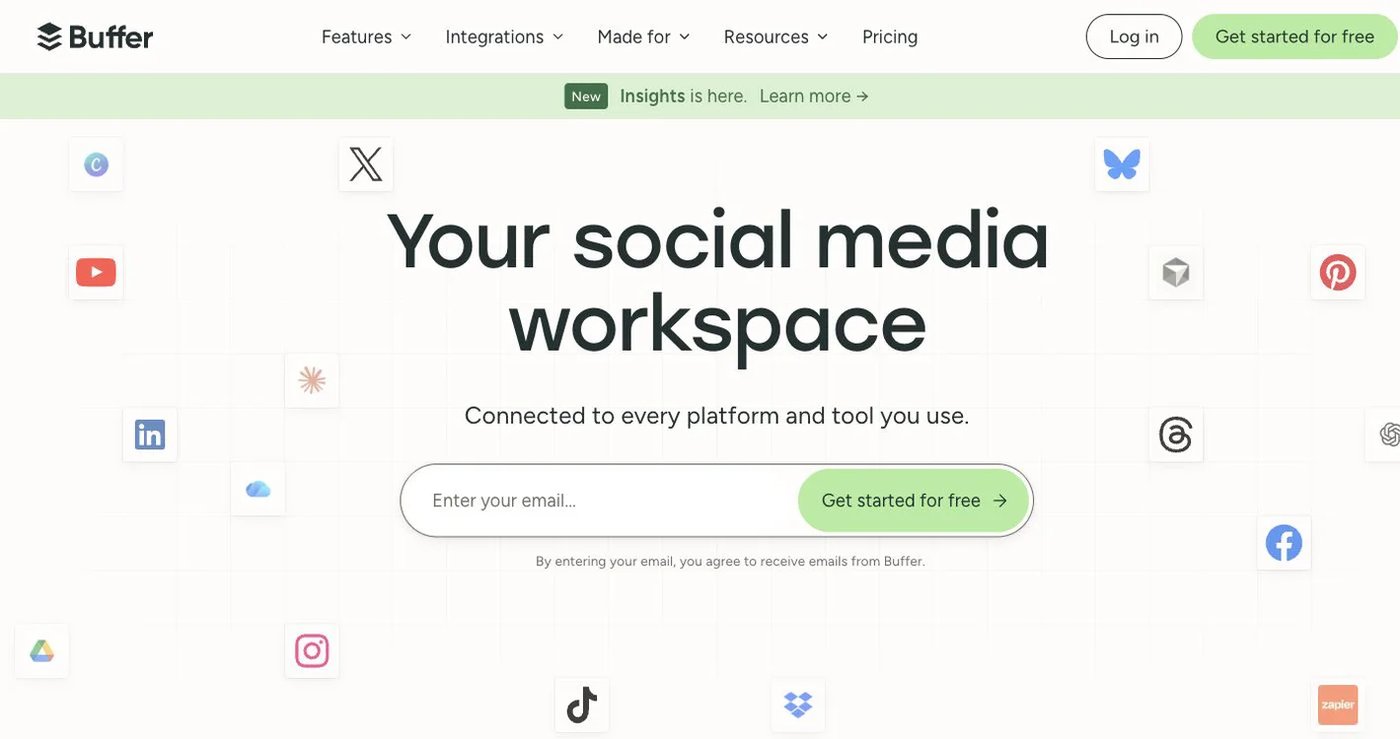
Buffer suits teams that mostly draft and schedule for a few channels. Free includes three channels, one user, and 10 scheduled posts per channel. Essentials costs $5 per channel per month billed annually, and Team is $10 per channel with unlimited users, permissions, and approvals.
Buffer documents a GraphQL API across Free, Essentials, and Team with plan-based limits. It does not cover DMs, reviews, listening, or SLAs, and per-channel pricing adds up as accounts grow. See Buffer pricing and API limits.
Choose Buffer for a simple queue across a small number of channels.
5. Vista Social: best for DMs, listening, and reviews
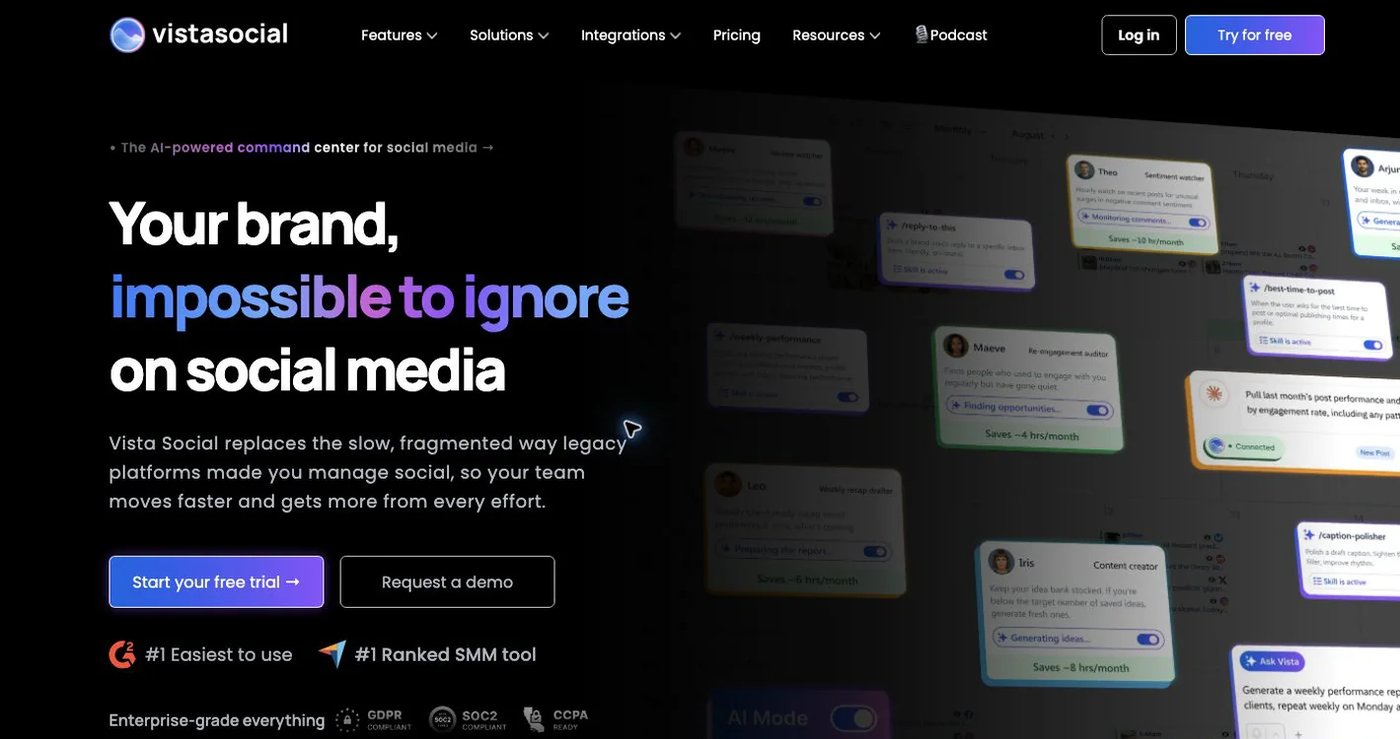
Vista Social combines publishing, a universal inbox, direct messages, review management, listening, reporting, and agency features. Professional costs $99 monthly for 15 profiles and two users, Advanced $199 for 30 profiles and three users, and Scale $449 for 70 profiles and four users. X costs an extra $29/month.
MCP, Make, and Zapier sit on Advanced, not the entry tier. See Vista Social’s pricing page.
Choose Vista Social when you need DMs, reviews, and listening at a lower price than Statusbrew Premium.
6. Sprout Social: best for governed customer care
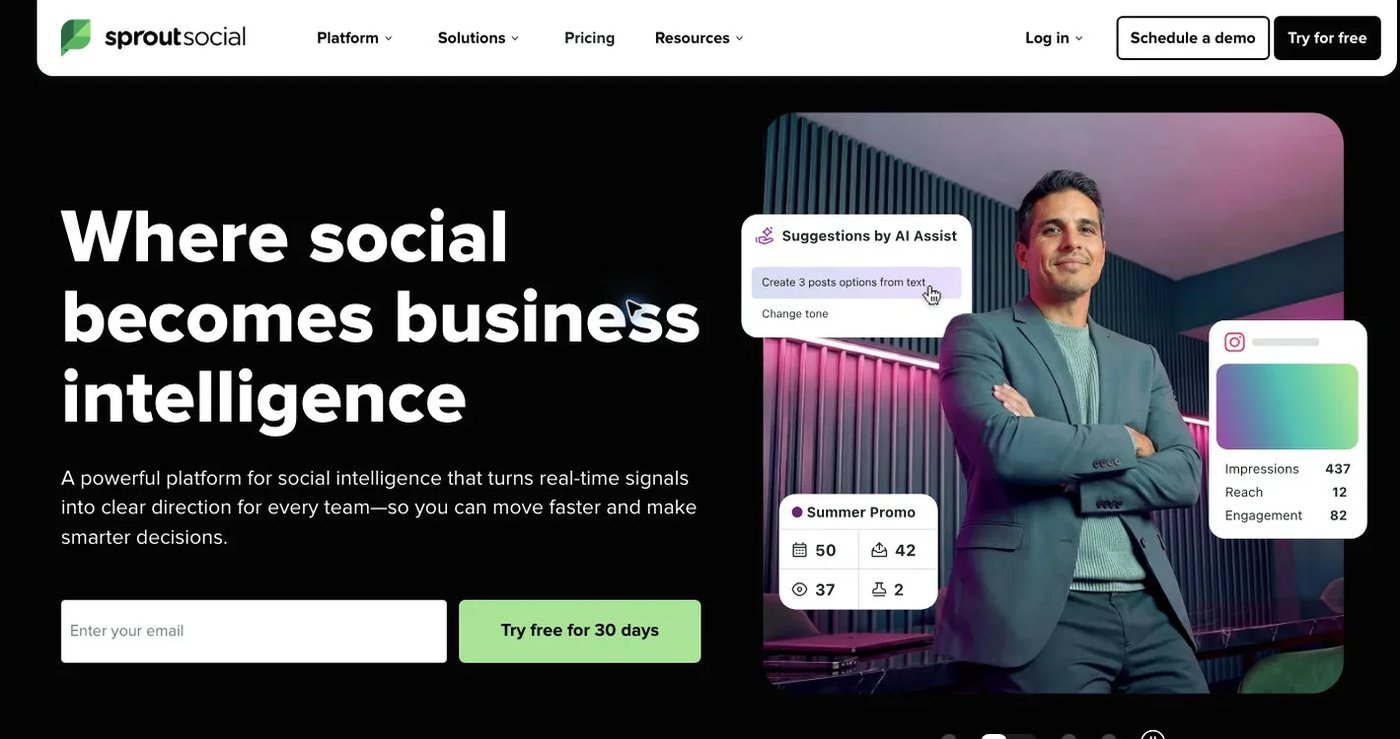
Sprout Social combines publishing, a Smart Inbox, review management, monitoring, reporting, permissions, and customer-care workflows. Essentials costs $99 per seat monthly or $79 per seat per month billed annually for five social profiles.
Listening and Premium Analytics are separate add-ons, and API access sits on higher tiers. See Sprout Social pricing.
Choose Sprout Social when governance and customer care justify per-seat pricing.
7. Loomly: best for calendar-led approvals
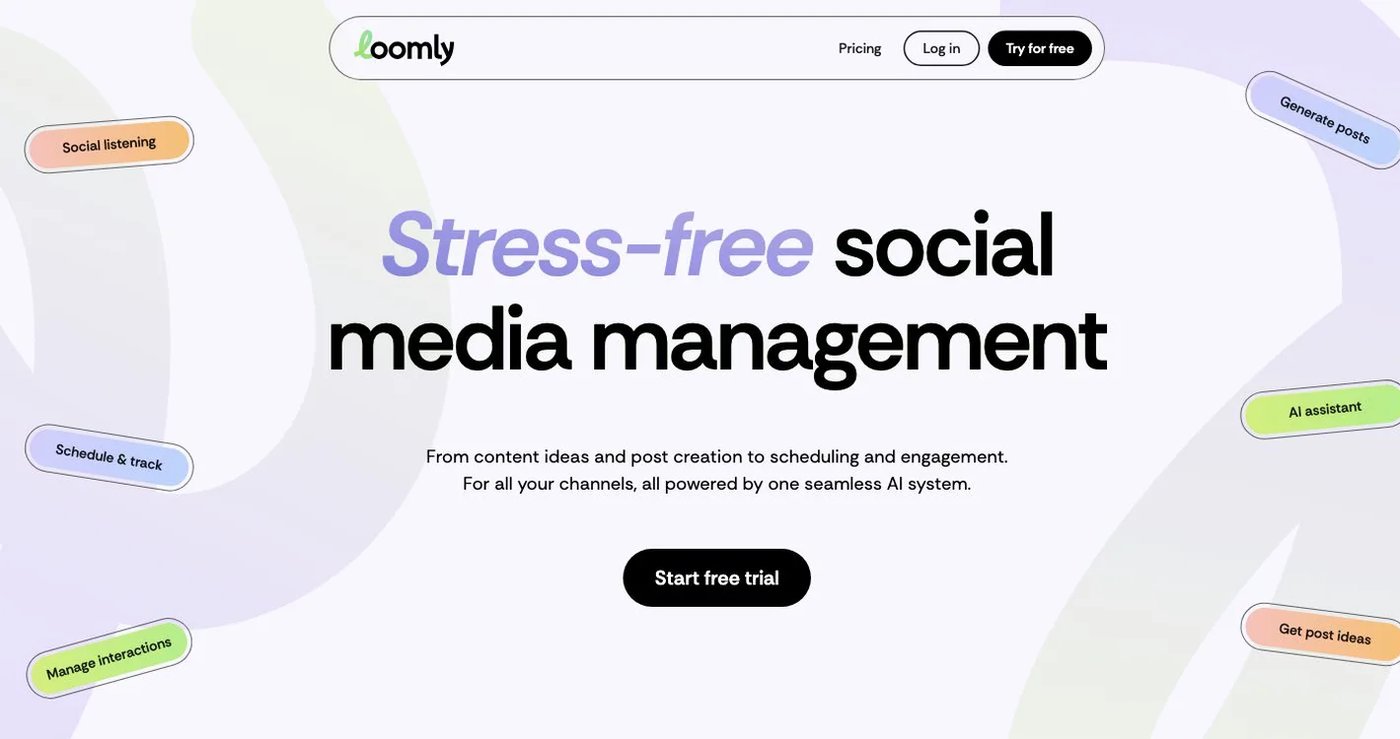
Loomly centers on content creation, a visual calendar, post previews, roles, and approval workflows. Starter costs $65 monthly or $49 per month billed annually for 12 social accounts and three users. Beyond raises capacity to 60 accounts and unlimited users.
Loomly does not include listening, DMs, reviews, or SLA reporting, and it does not advertise a public posting API. See Loomly’s pricing page.
Choose Loomly when stakeholders need to review planned content without a care suite.
How do you choose a Statusbrew replacement?
- Choose Postqued for 10-network publishing, revision-aware approvals, and API and MCP workflows.
- Choose Agorapulse when public engagement and moderation fill the day.
- Choose Sendible for client-separated calendars and reports.
- Choose Buffer for a simple queue across a few channels.
- Choose Vista Social when DMs, reviews, and listening are required.
- Choose Sprout Social for governed reporting and customer care.
- Choose Loomly for calendar-led creation and approval.
Export the reports and conversation data you need, then keep Statusbrew active until the replacement has published successfully.
Final recommendation
Pick Postqued if your team pays for Statusbrew but mostly schedules and approves posts. You get 10 platforms, unlimited posts, revision-aware approvals, analytics on 5 networks, and API plus MCP on every plan, starting at $9/month. Pick Agorapulse, Vista Social, or Sprout Social when DMs and inbox operations are the core job.
Statusbrew Lite users can move to Solo at $9/month; teams that need seats fit Pro at $49. Start a 7-day free trial.