7 Best Sked Social Alternatives in 2026
Postqued is the best Sked Social alternative for teams that want unlimited publishing at a lower price. Solo costs $9/month for 5 accounts with unlimited posts across 10 platforms, and every plan includes a REST API plus a 62-tool MCP server. Sked Social’s single-user Basic plan costs $29/month. Every Postqued plan has a 7-day free trial.
Sked Social is still the better fit when social listening, competitor tracking, DMs, or Google review management are central to your work.
Sked Social alternatives at a glance
| Product | Starting price | Best for | Main limit |
|---|---|---|---|
| Postqued | $9/month | Publishing, approvals, API and MCP | No DMs, listening, or competitor tracking |
| Buffer | Free; $6/channel monthly | Simple queue for a few channels | Cost grows per channel |
| Later | $25/month | Visual planning and Link in Bio | Post caps on lower plans |
| SocialBee | $29/month | Evergreen category queues | One user on Bootstrap |
| Agorapulse | Free; $99/user monthly | Inbox, moderation, reports | Priced per user |
| Sendible | $35/month | Client workspaces and reports | Six profiles per workspace |
| Sprout Social | $79/seat/month (annual) | Governed customer care | Listening costs extra |
What does Sked Social offer and cost in 2026?
Sked Social’s pricing page lists four plans:
| Plan | Monthly | Annual (per month) | Users | Profiles |
|---|---|---|---|---|
| Basic | $29 | ~$24 | 1 | 1 per platform |
| Grow | $69 | ~$58 | 3 | 6 |
| Accelerate | $199 | ~$166 | 6 | 10 |
| Custom | From $249 | Custom | Custom | Custom |
Sked auto-publishes to Instagram, Facebook, TikTok, LinkedIn, X, Pinterest, YouTube, and Google Business Profile. Threads uses a notification workflow instead of auto-publishing. Sked also offers an inbox, AI content tools, analytics, listening, and competitor tracking. Approvals are an add-on on Grow; Accelerate includes internal and external approvals, a no-login review portal, and role-based permissions.
1. Postqued: best for publishing, approvals, and agent workflows
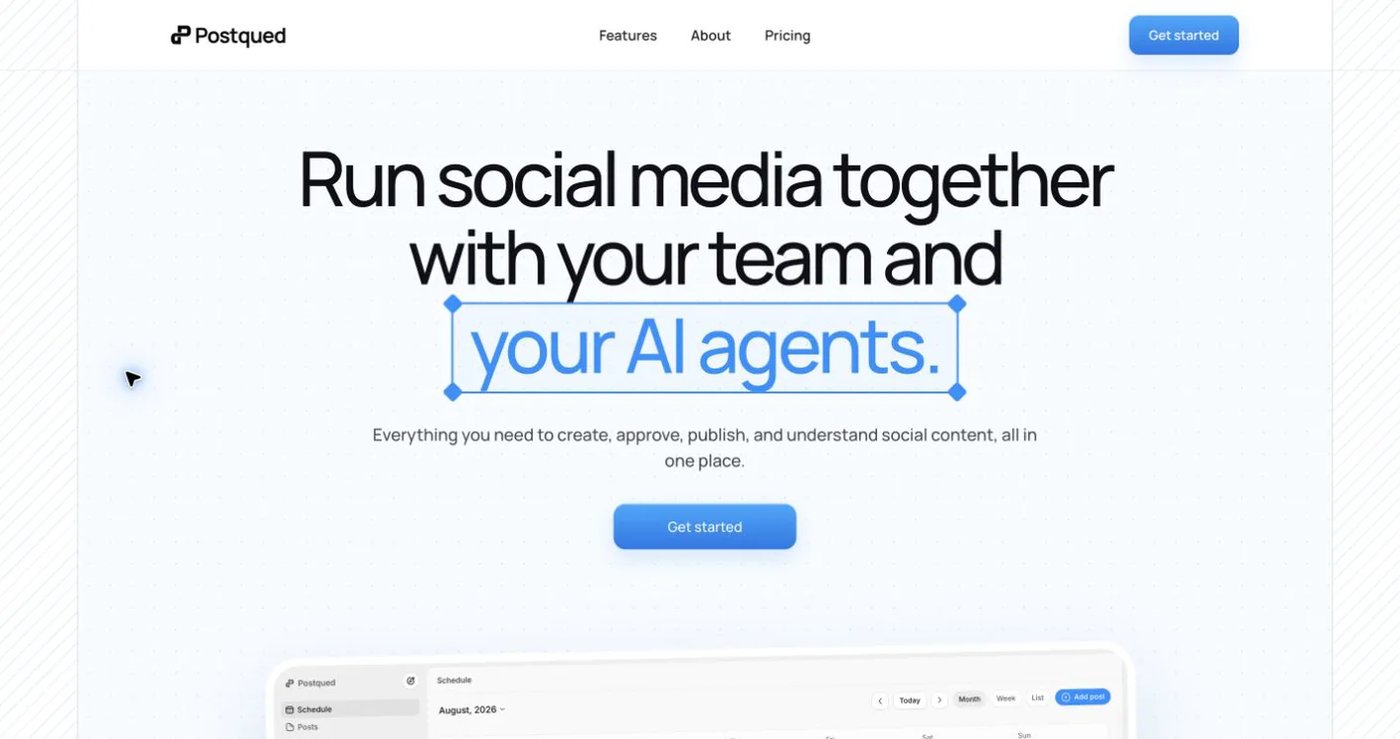
Postqued fixes the two things that push Sked bills up: approvals locked to higher tiers and per-user limits.
- External approvals for $49, not $199: Sked includes external approvals on Accelerate at $199/month for six users. Postqued Pro costs $49/month with 30 accounts, unlimited seats, and email invites for outside reviewers.
- Approvals that lock the version: revision-aware approvals mean the approved version is exactly what publishes, on every plan.
- Threads auto-publishing: Sked uses a notification workflow for Threads. Postqued publishes Threads posts directly, along with TikTok, Instagram, YouTube Shorts, Facebook, LinkedIn, Pinterest, Bluesky, Mastodon, and X.
- Automation Sked does not offer: a REST API and a 62-tool MCP server on every plan, from Solo at $9/month for five accounts.
- Reporting and replies: analytics on TikTok, Facebook, Instagram, Threads, and YouTube, and an Engagement Inbox on Facebook, Instagram, Threads, X, LinkedIn, and Mastodon.
Not included: DMs, social listening, review management, competitor tracking.
See Postqued pricing, learn about Postqued, or compare Postqued and Sked Social.
2. Buffer: best for a straightforward queue
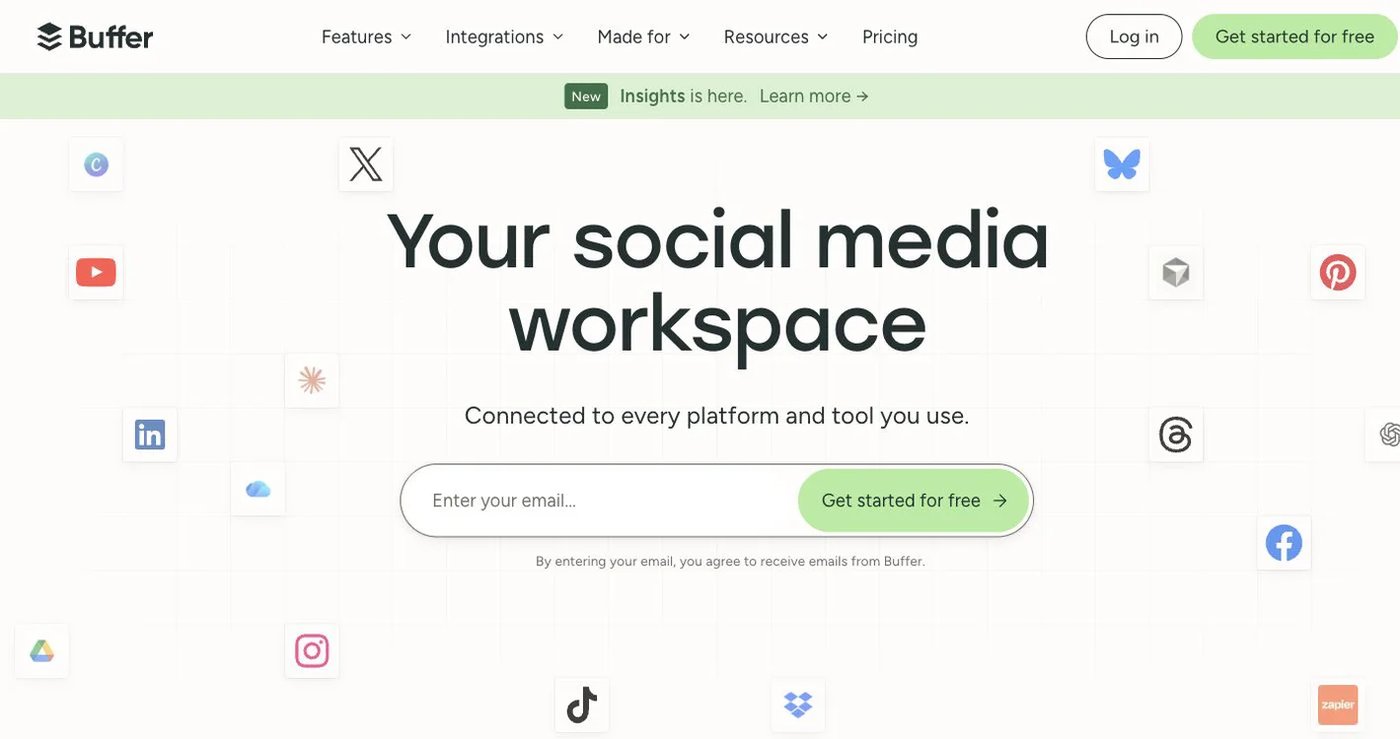
Buffer organizes each channel around a queue and calendar. The free plan covers three channels with 10 scheduled posts each. Essentials costs $6 per channel monthly. Team costs $12 per channel and adds unlimited users, draft approvals, and access controls. Buffer also offers a GraphQL API.
Choose Buffer when a small team wants a clean queue for a handful of profiles. See Buffer pricing.
3. Later: best for visual planning and Link in Bio
Later combines a visual calendar, media library, Link in Bio, analytics, and creator tools. Starter costs $25/month for one social set, one user, and 30 posts per profile. Growth adds a second set, two users, 180 posts per profile, a social inbox, and approvals. Scale includes six sets, four users, and unlimited posts.
Choose Later when Instagram and TikTok visual planning plus Link in Bio drive your routine. It has no listening or competitor analysis. See Later pricing.
4. SocialBee: best for evergreen category queues

SocialBee groups posts into categories with their own schedules, recycles evergreen posts, and expires content after a date or share count. Bootstrap costs $29/month for five profiles, one user, and one workspace. Accelerate ($49) covers 10 profiles and adds bulk editing, CSV upload, approvals, and advanced analytics. Pro ($99) covers 25 profiles, five workspaces, and three users per workspace.
Choose SocialBee when an evergreen library should run on a set cadence. See SocialBee pricing.
5. Agorapulse: best for inbox-led social operations
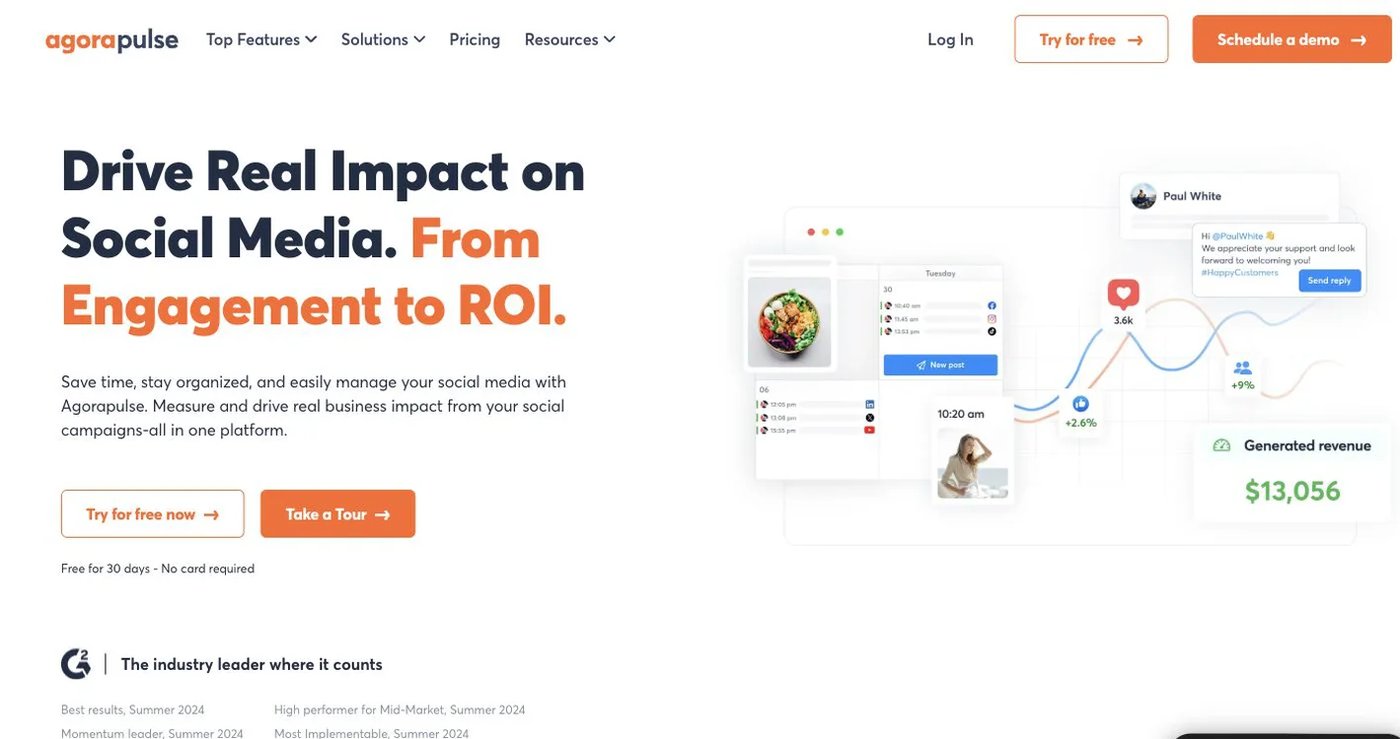
Agorapulse combines publishing with an inbox, moderation, assignments, listening, and reporting. It has a free plan, and Standard costs $99 per user monthly or $79 per user billed annually. Higher plans add deeper moderation and reporting; API integration is on custom packaging.
Choose Agorapulse when your team spends the day assigning and resolving conversations. Costs rise with every user. See Agorapulse pricing.
6. Sendible: best for client workspaces and recurring reports
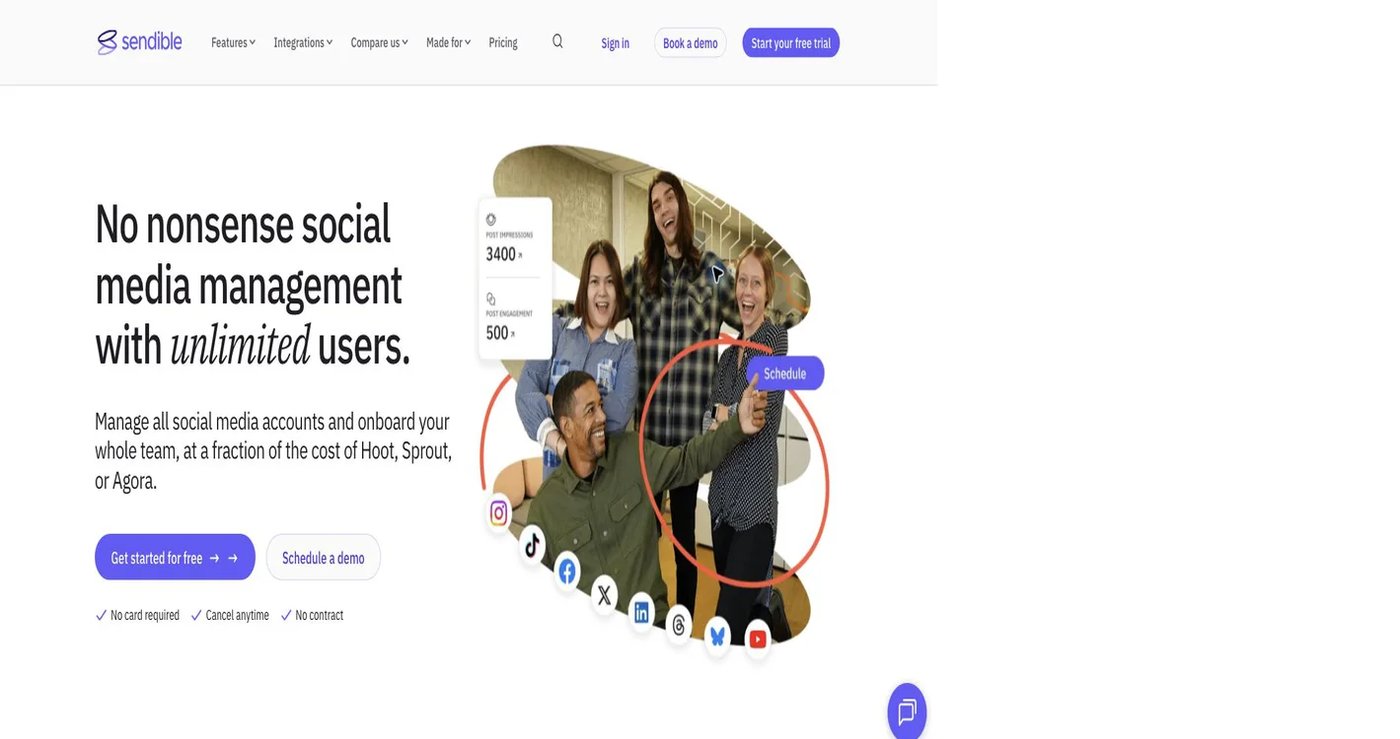
Sendible sells workspaces of six profiles each, with unlimited users. Core costs $35/month for one workspace ($31 billed annually), Plus $99 for three, Premium $199 for seven, Elite $299 for 15, and Enterprise $750 for 50. Higher plans add approvals, branded reports, client dashboards, and a white-label add-on.
Choose Sendible when client separation and recurring reports matter more than listening. See Sendible pricing.
7. Sprout Social: best for governed customer care and reporting
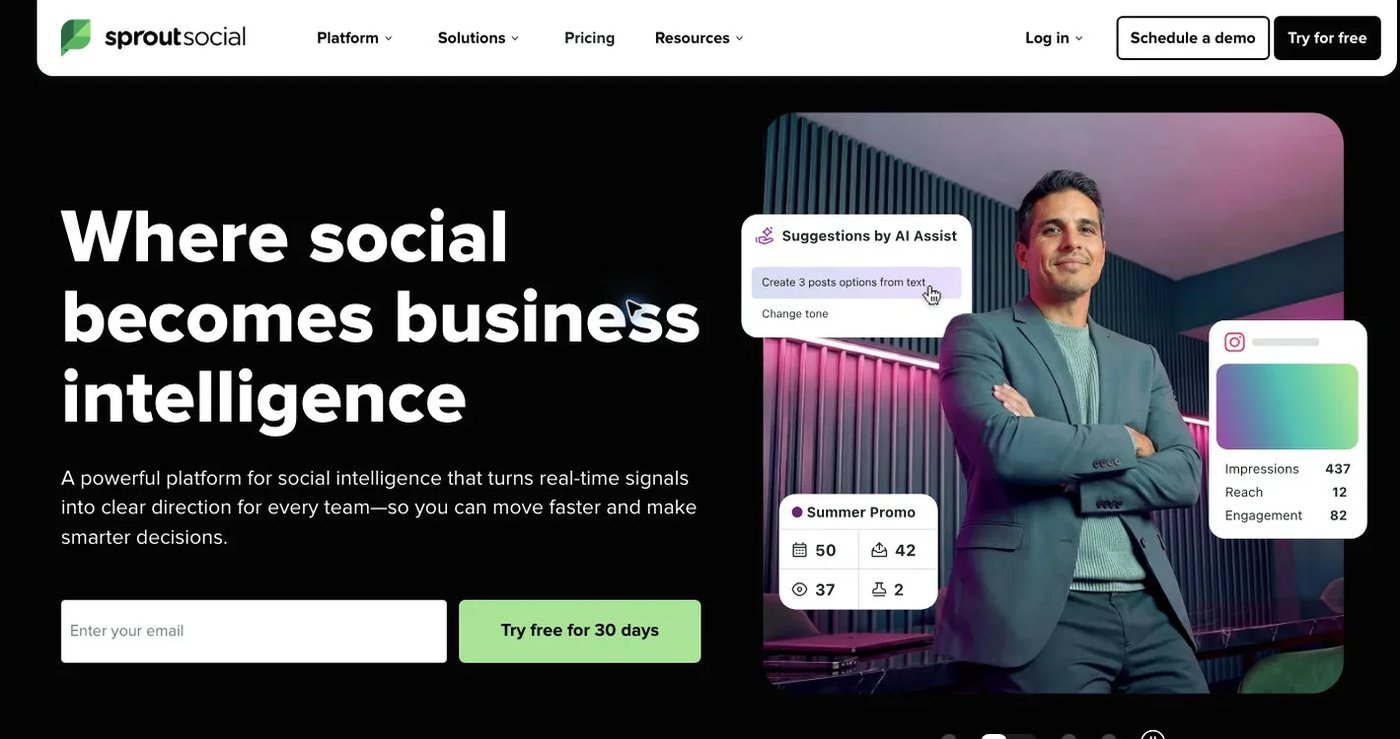
Sprout Social combines publishing, a Smart Inbox, permissions, analytics, and customer-care workflows. Essentials starts at $79 per seat per month billed annually. Higher tiers add reporting, automation, and governance. Listening and Premium Analytics are sold separately.
Choose Sprout when customer care and executive reporting justify per-seat pricing. See Sprout Social pricing.
How do you choose a Sked Social replacement?
- Count profiles, users, client reviewers, and brands.
- List every format you publish (Stories, Reels, carousels, Shorts).
- Separate comment replies from DMs, reviews, and listening.
- Check which reports people opened in the last 60 days.
- Run one approval cycle, including a rejected revision, in each finalist.
- If automation matters, test the API or MCP calls you need.
- Export reports and rebuild a small queue before cancelling Sked Social.
Final recommendation
Pick Postqued if you use Sked Social mostly to plan, approve, and publish. You get external approvals and unlimited seats for $49 on Pro instead of $199 on Accelerate, plus direct Threads publishing and an API. Pick Buffer for a small queue, Later for visual planning, SocialBee for evergreen categories, and Agorapulse, Sendible, or Sprout Social for heavier inbox, agency, or governance needs.
Teams replacing Sked Accelerate usually land on Pro at $49/month for unlimited seats and external approvals. Start a 7-day free trial.