7 Best Planoly Alternatives in 2026
Postqued is the best Planoly alternative for most teams: unlimited posts on all 10 platforms, revision-aware approvals, and REST API plus MCP access from $9/month with a 7-day free trial. You pay by connected accounts, not by social sets, so adding a second TikTok or Instagram account does not force a plan jump.
Planoly still wins when its Instagram grid, Link in Bio, storefront, and Instagram DM automation are the core of your workflow.
What are the best Planoly alternatives?
| Product | Starting price | Best for | Main limit |
|---|---|---|---|
| Postqued | $9/month | Publishing, approvals, REST API and MCP | No DMs or Link in Bio |
| Later | $25/month; $18.75 billed annually | Visual planning and creator workflows | Starter allows 30 posts per profile |
| Pallyy | Free; Pro $25/month | Visual planning and client approvals | Team invites start on Agency ($99) |
| Buffer | Free; Essentials $6/channel monthly | A simple queue for a few accounts | Price grows with channel count |
| Tailwind | Free tier; Pin Scheduling $29.99/month | Pinterest scheduling and SEO | Pinterest only |
| Metricool | Free; Starter from $25/month | Analytics and competitor tracking | API and approvals start on Advanced |
| Sprout Social | Essentials $79/seat/month billed annually | Social care and governed reporting | Per-seat pricing and add-ons |
How much does Planoly cost?
Planoly’s pricing page lists scheduling for eight channels: Instagram, Facebook, X, Pinterest, LinkedIn, YouTube, Threads, and TikTok. A social set holds one account from each.
- Starter: $14/month, one social set, one user.
- Growth: $24/month, two sets, two users, paid add-ons for extra sets and users.
- Pro: $47/month, six sets, six users.
- Free: a mobile plan with 10 uploads per month.
- Trial: 14 days on paid plans; annual billing is cheaper.
Every paid plan includes visual planning, a media library, Link in Bio, commerce tools, Instagram DM automation, and Planoly MCP. The MCP setup guide describes an alpha service for scheduling, media, analytics, and publishing from AI assistants. Planoly does not advertise a general REST API. Check the Starter upload allowance in the plan FAQ before buying.
1. Postqued: best for publishing, approvals, and automation
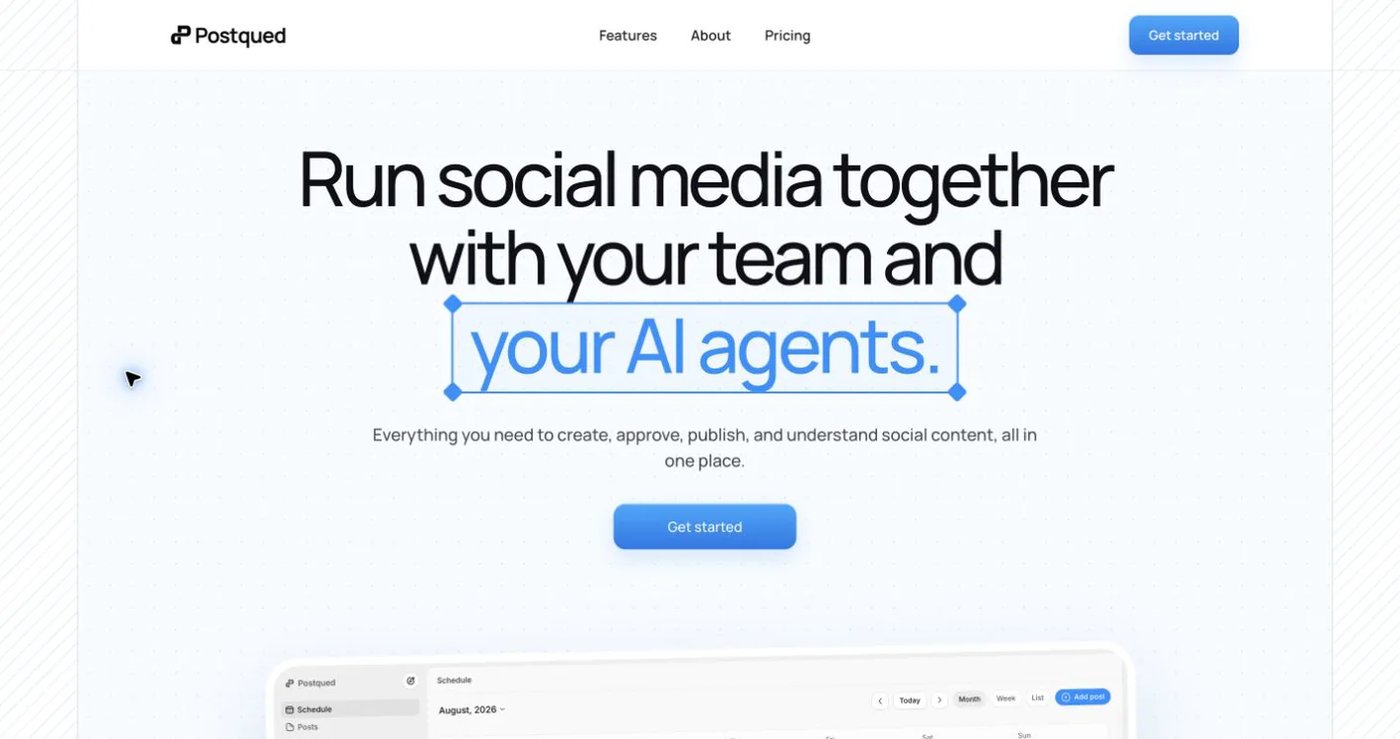
Postqued fits teams that outgrow social sets. You pay for connected accounts, and every plan includes unlimited posts on TikTok, Instagram, YouTube Shorts, Facebook, LinkedIn, Pinterest, Threads, Bluesky, Mastodon, and X.
Approvals are revision-aware: the approved version is the one that publishes. You can invite external reviewers by email to sign off a post. The Engagement Inbox handles comments and replies on Facebook, Instagram, Threads, X, LinkedIn, and Mastodon. Analytics cover TikTok, Facebook, Instagram, Threads, and YouTube.
Format support goes past a grid planner: Instagram Stories and Reels, TikTok photo posts up to 35 images, send-to-TikTok-drafts, and first comments on six networks. Developers get a REST API with dryRun validation and a 62-tool MCP server on every plan.
Two Instagram accounts already need two Planoly sets; Postqued Solo covers any 5 accounts for $9/month, and Creator covers 20 for $29. Pro is $49 for 30 with unlimited workspaces and seats, and Agency $199 for unlimited accounts. On Pro and Agency, team seats are unlimited, so adding teammates does not raise the bill. Every plan starts with a 7-day free trial. Postqued has no Link in Bio, storefront, or DMs.
See Postqued pricing or compare Postqued vs Planoly.
2. Later: best for visual planning and creator workflows
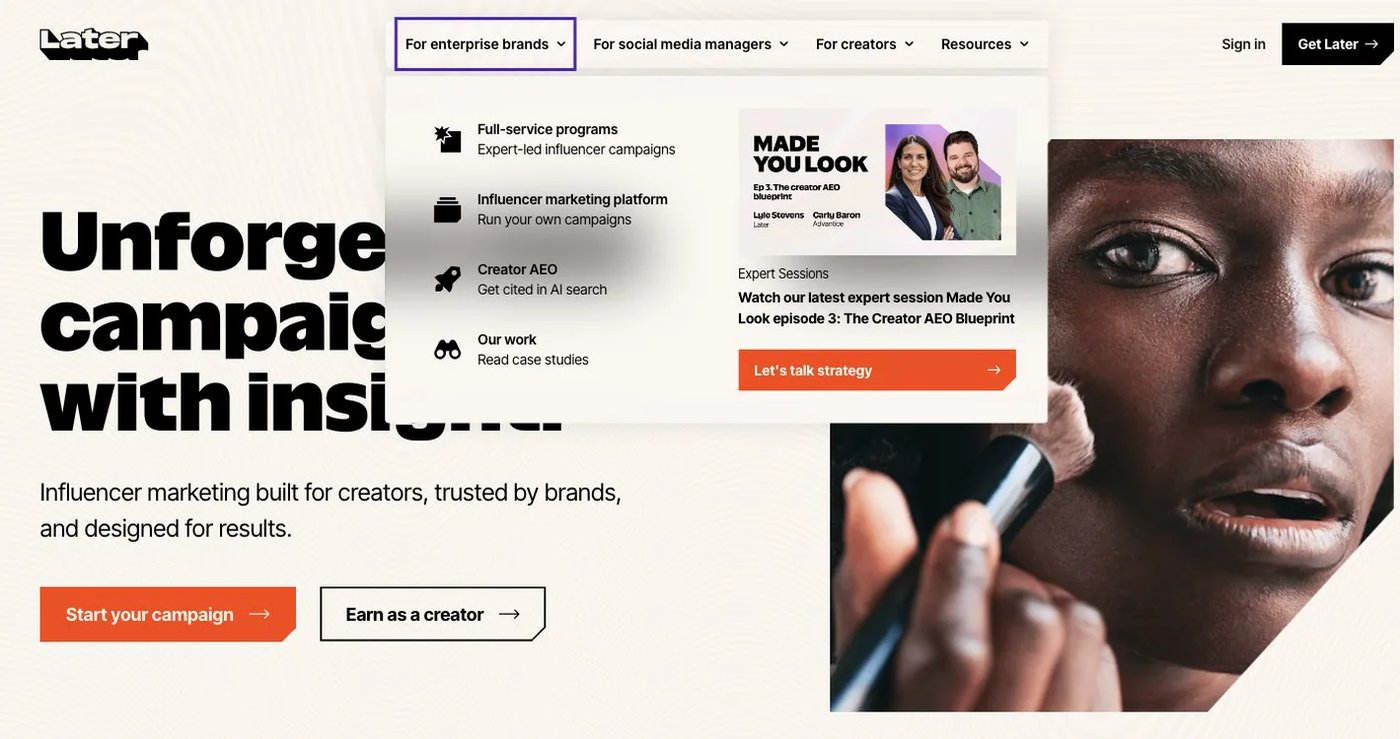
Later combines a visual calendar, media library, Instagram grid planning, Link in Bio, and analytics. Its pricing page lists eight profiles per social set: Instagram, Facebook, Threads, Pinterest, TikTok, LinkedIn, YouTube, and Snapchat.
- Starter: $25 monthly or $18.75/month billed annually; one set, one user, 30 posts per profile per month.
- Growth: two sets, two users, approvals, a social inbox, UGC collection, 180 posts per profile.
- Scale: six sets, four users, listening, benchmarking, unlimited posts.
Later is the closest match to Planoly’s visual workflow, and its higher plans add DMs, social listening, and competitive benchmarking. Post caps on lower plans are the main boundary: 30 posts per profile on Starter runs out fast for daily posters.
Choose it when Link in Bio and grid planning matter more than developer access.
3. Pallyy: best for visual planning and client approvals
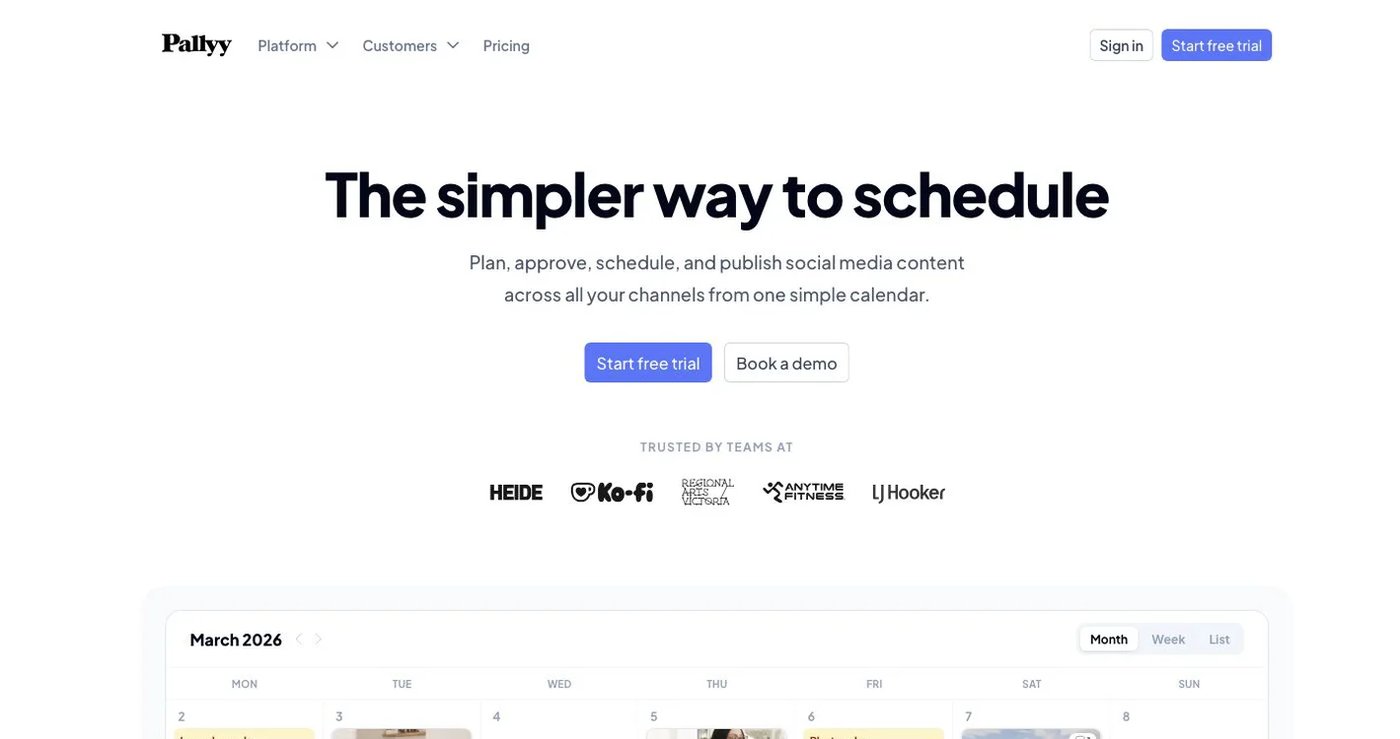
Pallyy offers a calendar, Instagram grid preview, media library, analytics, Link in Bio, shared calendars, and approvals. Its free plan includes one social set and 15 scheduled image posts per month.
Pro is the plan most teams need: $25/month for one social set, unlimited posts, one user, queue scheduling, a social inbox, and client or team approvals. Agency ($99) adds 10 sets and three users, and Scale ($199) 30 sets and 10 users.
Pallyy is priced per social set, so check set costs and supported inbox actions against your account list before moving.
Choose it when you want a low-cost visual review workflow for a small client list.
4. Buffer: best for a straightforward publishing queue
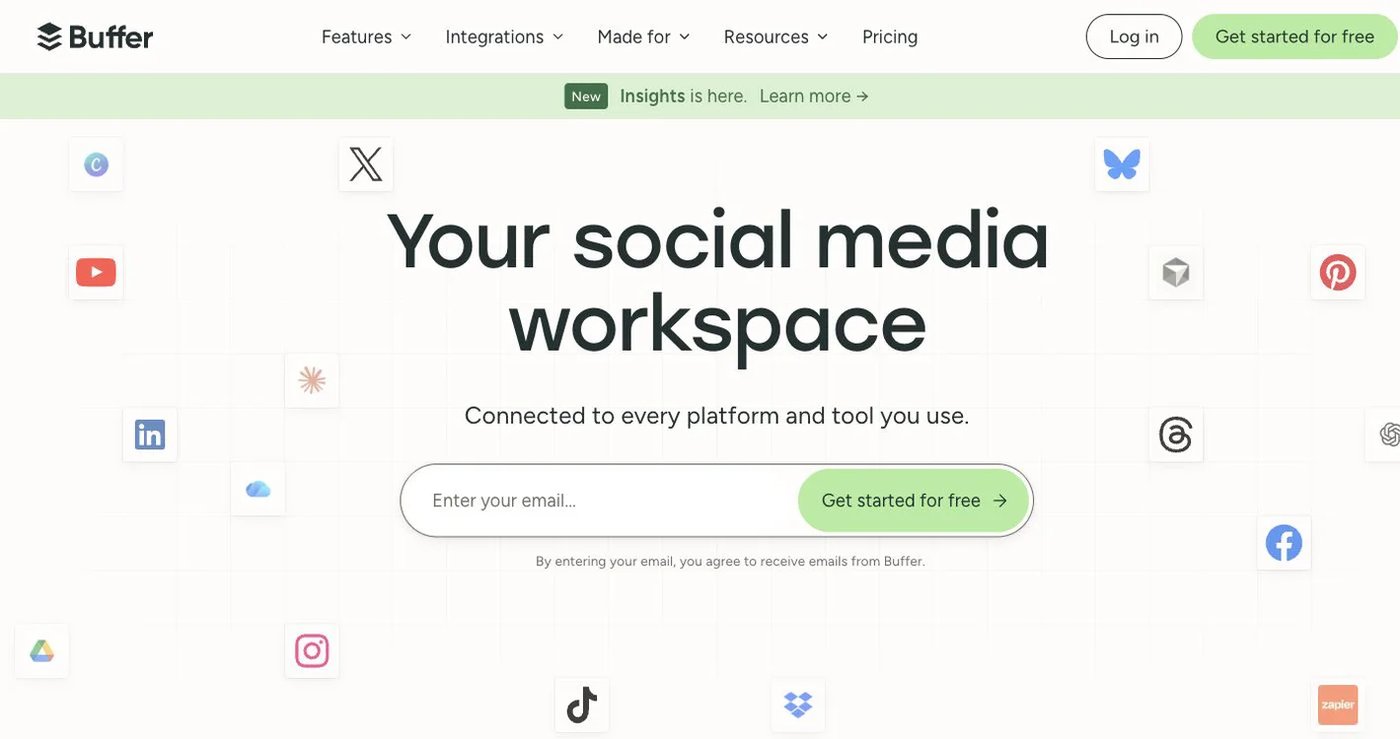
Buffer prices each connected account as a channel.
- Free: three channels, one user, API access, 10 scheduled posts per channel.
- Essentials: $6/channel monthly or $5 billed annually; unlimited scheduled posts and advanced analytics.
- Team: $12/channel monthly or $10 billed annually; unlimited users, access levels, and approvals.
Buffer’s pricing includes API access on every plan and volume discounts past 10 channels. Costs rise quickly as channels grow.
Choose it when the queue is the whole job and you manage only a few accounts.
5. Tailwind: best for Pinterest-first marketing
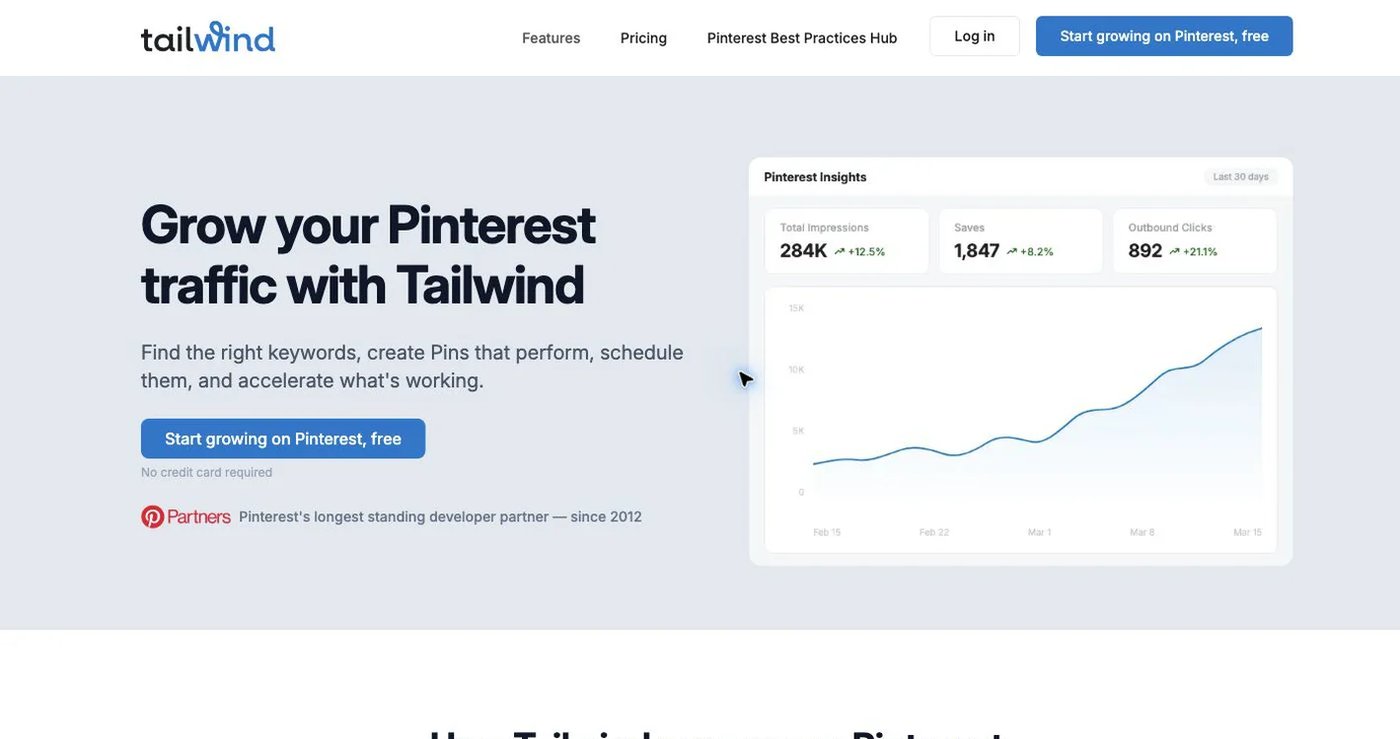
Tailwind sells Pinterest-only products. Its pricing page lists:
- Pin Scheduling & Creation: $29.99 monthly or $17.99/month billed annually.
- Pinterest SEO and Pinterest Engagement: $14.99 monthly or $11.99/month billed annually each.
- Bundle: $29.98/month billed annually.
- Free tier: available for trying the tools.
Tailwind also documents an MCP server. It does not replace Planoly’s multi-network calendar.
Choose it when Pinterest drives most of your traffic.
6. Metricool: best for analytics and competitor tracking
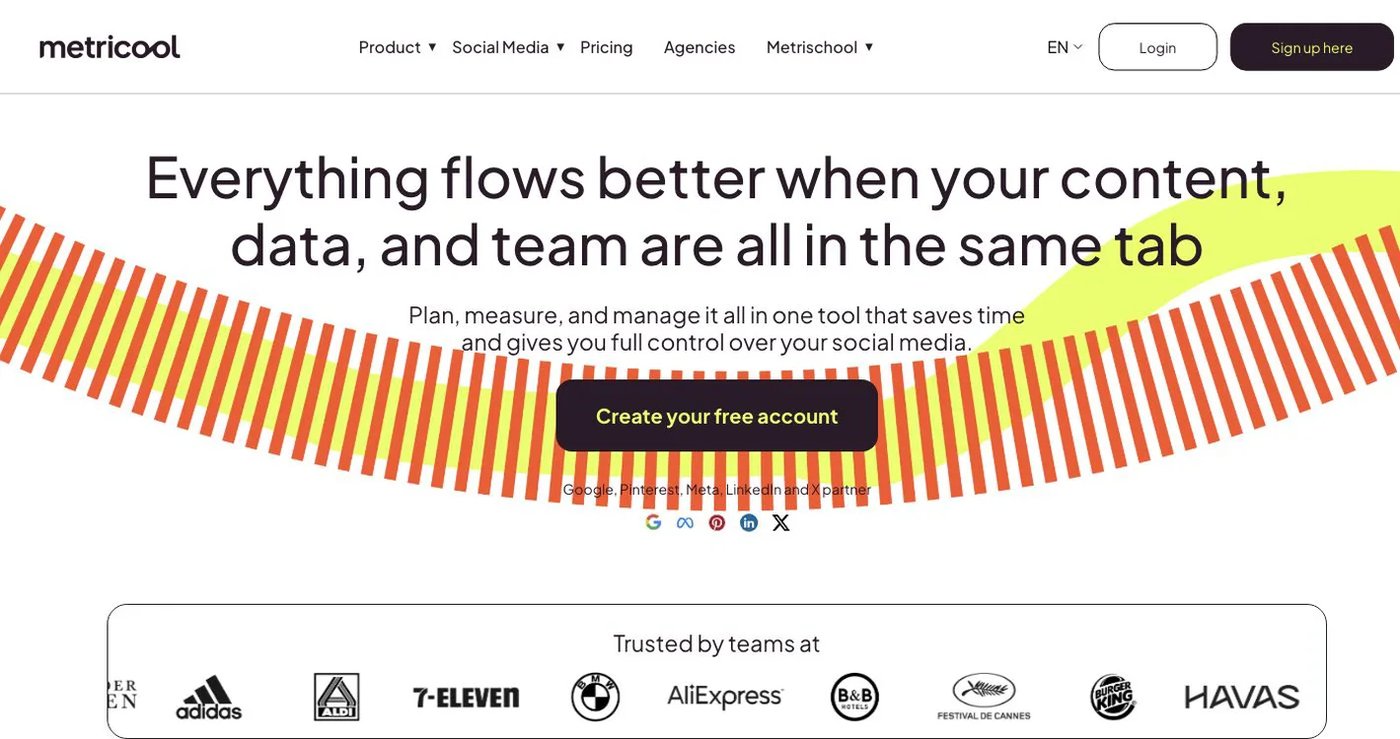
Metricool combines publishing with reports, competitor analysis, ad data, an inbox, and link tracking. The free plan supports one brand. Starter begins at $25/month for up to five brands. Advanced starts at $67 for up to 15 brands and adds users, client access, approvals, custom reports, Looker Studio, and API access.
A Metricool brand holds one profile for each supported network. Metricool’s MCP is available on every plan, including Free. The API is limited to Advanced and Custom. Its pricing page notes that X connections and some advanced analytics may need add-ons.
Choose it when reporting and competitor data drive the purchase.
7. Sprout Social: best for social care and governed reporting
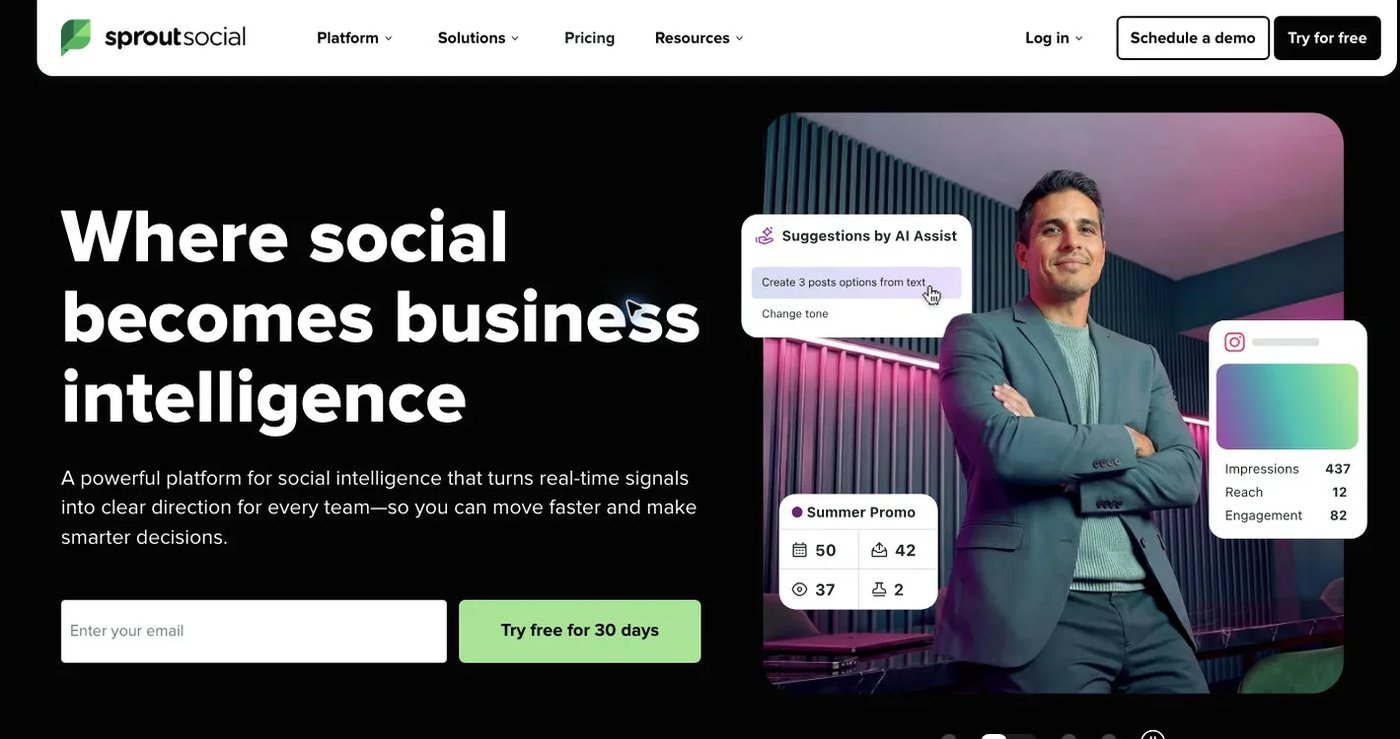
Sprout Social covers a unified inbox, monitoring, review management, reporting, permissions, and customer care. On annual billing, Essentials is $79/seat/month for five profiles, Standard $199, Professional $299, and Advanced $399. Advanced includes the Sprout API. Listening is a paid add-on.
Check Sprout’s pricing against your seat and profile count. Per-seat pricing makes it expensive for small teams.
Choose it when customer care and enterprise reporting matter more than cost.
How do you choose a Planoly alternative?
- Count accounts by network, not plan labels.
- List the Planoly features you used in the last 30 days, such as Link in Bio, grid planning, and DMs.
- Test each important post format on a non-critical account.
- Run one full draft-to-approval cycle with your real reviewers.
- Confirm API or MCP access is on the plan you will buy.
- Export analytics and media before cancelling Planoly.
Which Planoly alternative should you choose?
Postqued is the best choice for most teams: account-based pricing, unlimited posts on 10 platforms, approvals, and API plus MCP access on every plan. Pick Later or Pallyy to keep a grid-first visual workflow, Tailwind for Pinterest only, Metricool for analytics, and Sprout Social for enterprise social care.
Primary sources
- Planoly pricing and platform coverage, plan FAQ, free-plan details, and MCP setup
- Later pricing and features
- Pallyy pricing
- Buffer pricing and plan feature guide
- Tailwind pricing and MCP setup
- Metricool pricing
- Sprout Social pricing
Stop counting social sets with Postqued Creator at $29/month, starting with a 7-day free trial: See Postqued pricing.