7 Best FeedHive Alternatives in 2026
Postqued is the best FeedHive alternative for most teams: you get unlimited posts on 10 platforms, revision-aware approvals, and REST API plus MCP access on every plan from $9/month, with a 7-day free trial. FeedHive’s cheapest plan caps you at 30 scheduled posts and leaves out the API.
FeedHive still wins when built-in AI creation, content recycling, and its visual automation builder are central to your process.
What are the best FeedHive alternatives?
| Product | Starting price | Best for | Main limit |
|---|---|---|---|
| Postqued | $9/month | Publishing, approvals, API and MCP | Analytics on 5 of 10 networks |
| Buffer | Free; $5/channel billed annually | Simple queue with API | Cost rises per channel |
| Metricool | Free; Starter $20/month billed annually | Analytics and competitor reports | API on Advanced and Custom only |
| SocialBee | $29/month | Evergreen category queues | Profiles, users, workspaces are add-ons |
| Publer | Free; Professional from $5/month | Low-cost bulk publishing | Cost grows with accounts and members |
| Pallyy | Free; Pro $25/month | Visual planning and client approvals | Free plan capped at 15 posts |
| Hootsuite | $99/user/month billed annually | Listening and governance | Prices vary by region |
How much does FeedHive cost?
FeedHive’s pricing, billed annually in US dollars:
- Creator: $15/month, 4 accounts, 30 scheduled posts, no REST API.
- Brand: $22/month, 10 accounts, 500 scheduled posts.
- Business: $69/month, 100 accounts, unlimited scheduled posts.
- Agency: $239/month, 500 accounts, unlimited scheduled posts.
Monthly billing costs more, and there is a seven-day trial. Plans differ on AI credits, automation runs, workspaces, and collaborators. FeedHive documents a REST API, approval workflows, recycling, CSV upload, webhooks, and MCP.
1. Postqued: best for publishing, approvals, and agent workflows
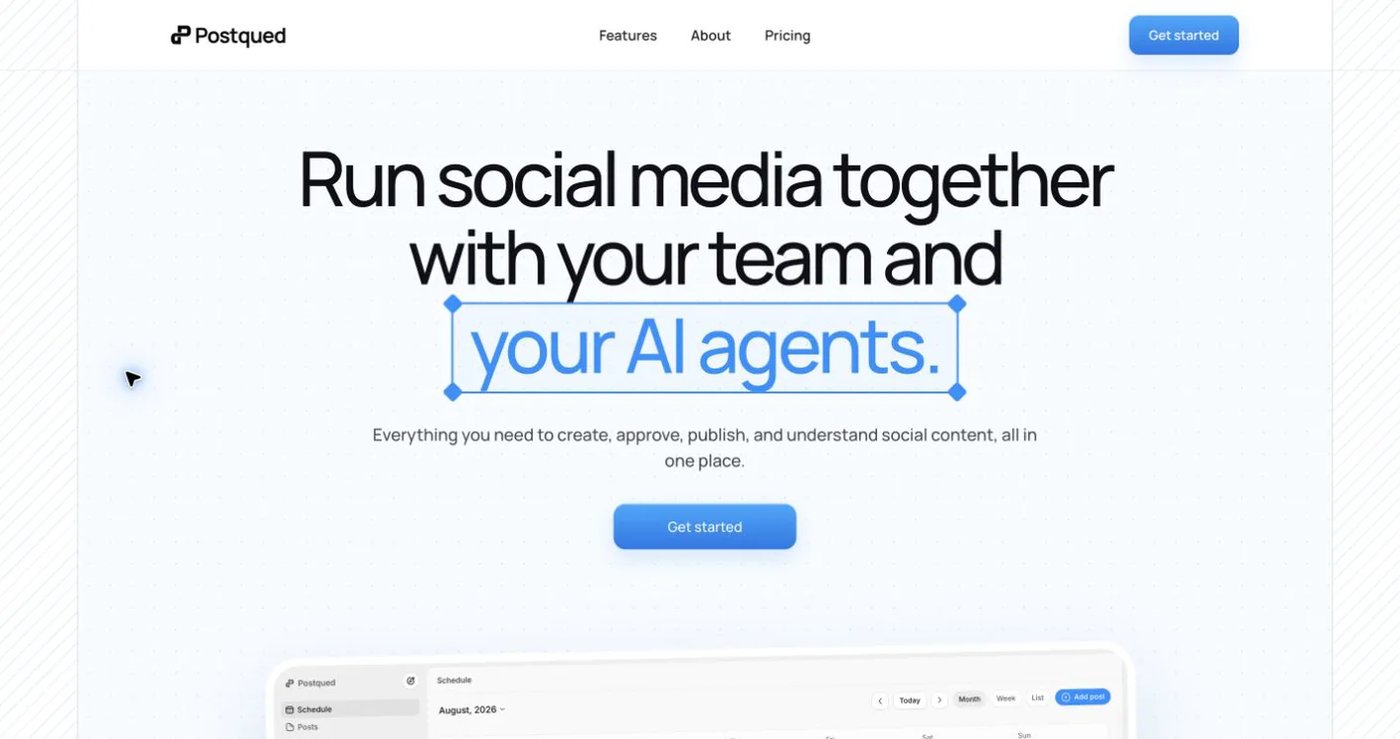
Postqued suits teams that want reliable, controlled publishing from a dashboard, API, or AI agent without plan-gated developer access. You schedule to TikTok, Instagram, YouTube Shorts, Facebook, LinkedIn, Pinterest, Threads, Bluesky, Mastodon, and X. Reviewers comment, suggest caption edits, and approve a specific revision; that approved snapshot is what publishes. You can invite external reviewers by email.
Every plan includes unlimited posts, the REST API (dryRun validation, Idempotency-Key, dispatchAt scheduling), an MCP server with 62 tools, and an Engagement Inbox for comments on Facebook, Instagram, Threads, X, LinkedIn, and Mastodon.
FeedHive Brand costs $22/month for 10 accounts and 500 scheduled posts; Postqued Creator covers 20 accounts with no post cap for $29. Solo is $9 for 5 accounts, Pro $49 for 30 with unlimited seats, and Agency $199 for unlimited accounts. Each starts with a 7-day free trial. Postqued has no evergreen recycling, listening, or DMs.
See Postqued pricing or compare Postqued vs FeedHive.
2. Buffer: best for a simple queue with API access
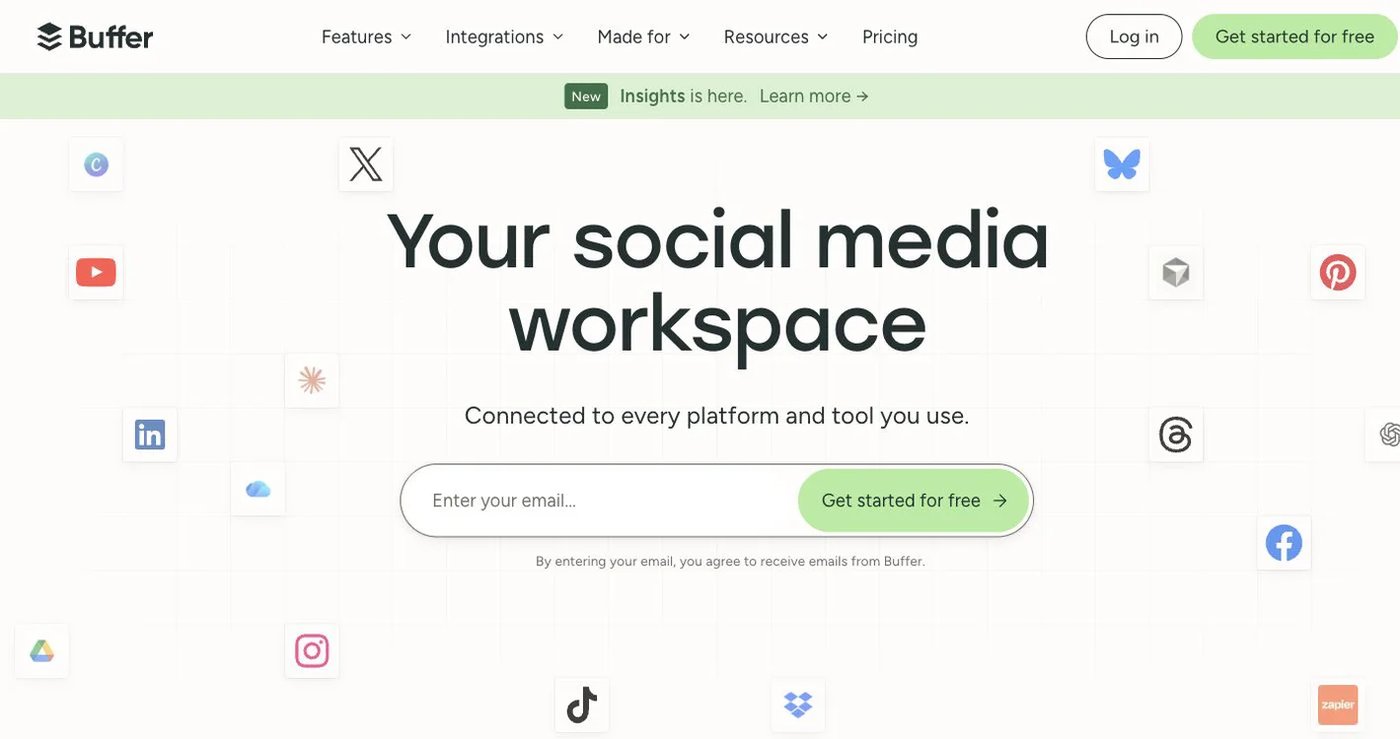
Buffer is easy to price for a few channels. Free covers three channels, one user, and 10 queued posts per channel. Essentials is $5/channel/month billed annually with unlimited scheduled posts; Team is $10/channel and adds unlimited users and approvals.
Its GraphQL API is on Free, Essentials, and Team. Volume discounts start after 10 channels; check Buffer pricing. Choose it for a clean queue across a modest number of channels.
3. Metricool: best for analytics and competitor reporting
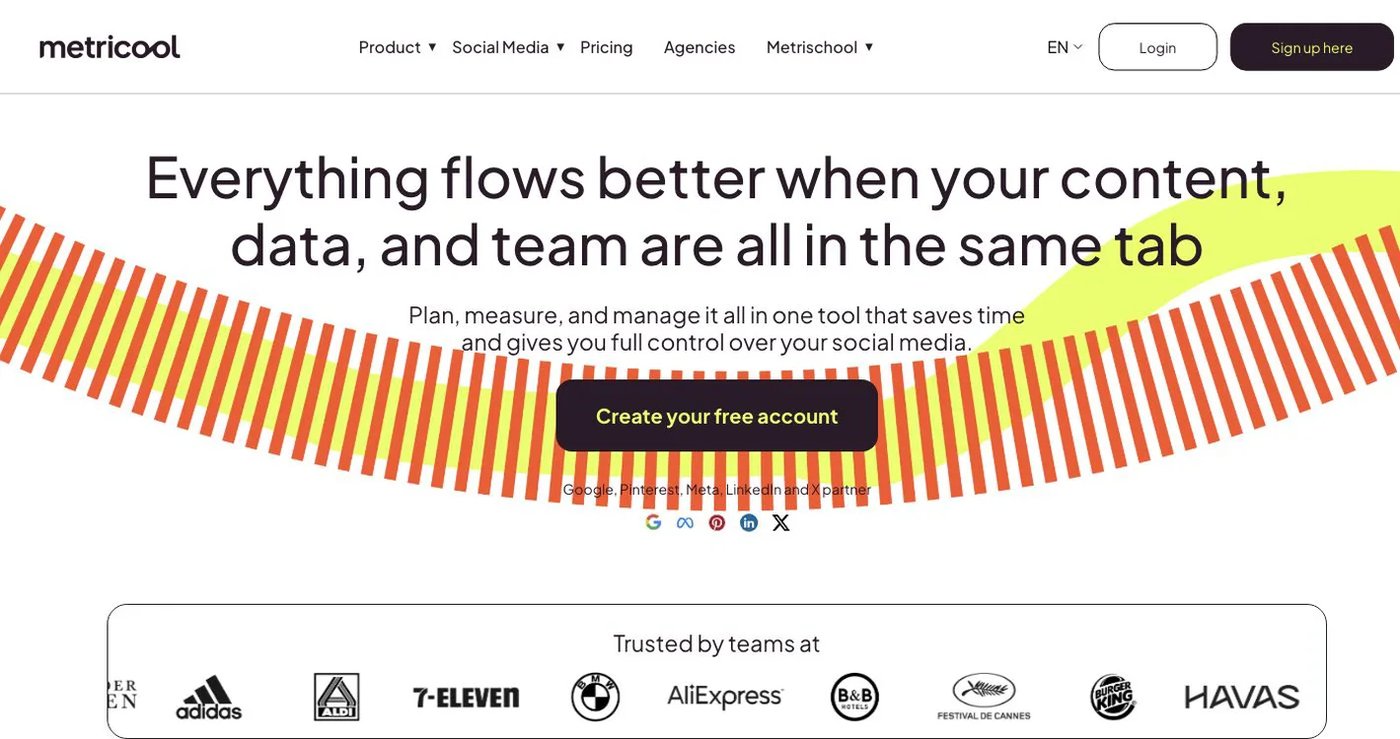
Metricool combines scheduling with analytics, downloadable reports, competitor analysis, an inbox, ad data, and SmartLinks. Free covers one brand and 20 scheduled posts per month. Starter is $25/month or $20 billed annually for five brands; Advanced is $67/month or $53 billed annually for 15 brands and adds approvals, roles, and Looker Studio.
MCP is on every plan including Free; the API is on Advanced and Custom only. See the plan and API guide. Choose it when reporting matters more than AI content creation.
4. SocialBee: best for category-based evergreen publishing

SocialBee sorts content into categories and recycles evergreen posts on a schedule, with AI generation, RSS imports, CSV uploads, and Zapier, Pabbly, and Make integrations. Bootstrap is $29/month for five profiles and one user; Accelerate is $49 for 10 profiles; Pro is $99 for 25 profiles and five workspaces. Annual billing gives two months free. See SocialBee pricing.
Choose it when a balanced, reusable queue matters more than a public API.
5. Publer: best for low-cost bulk publishing
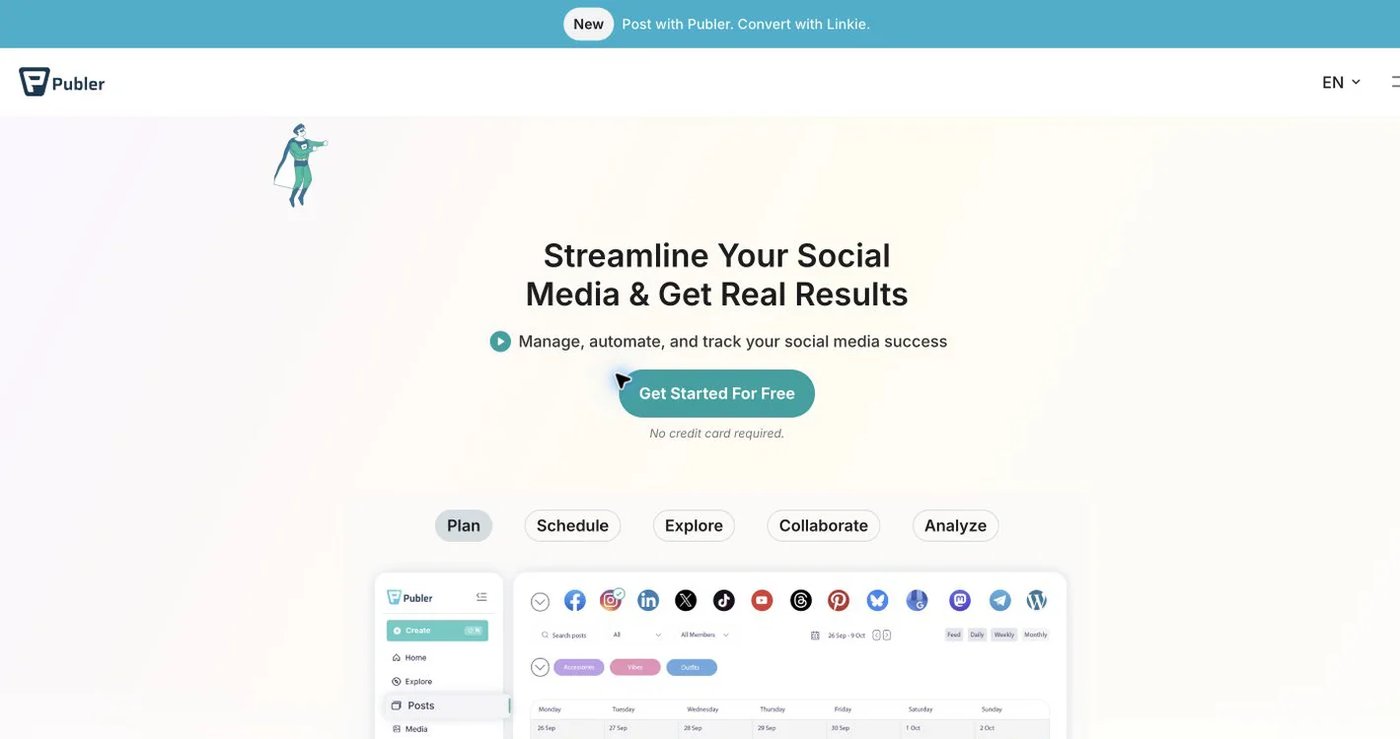
Publer offers CSV and media bulk upload, recurring and recycled posts, an AI assistant, and workspaces. Free supports up to three accounts. Professional starts at $5/month for one account and Business at $10, with extra accounts and members priced separately. See the plan guide.
Choose it for bulk scheduling and evergreen reuse on a small account set.
6. Pallyy: best for visual planning and client approvals
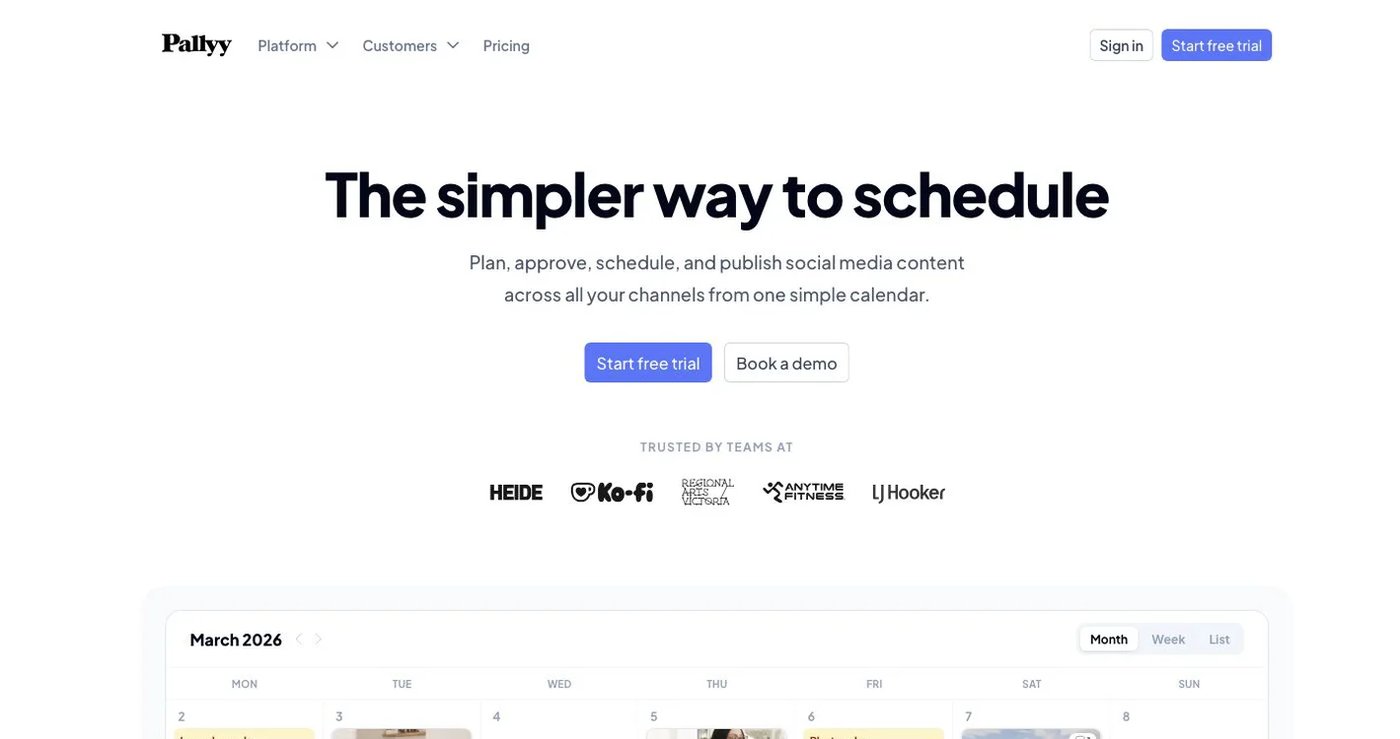
Pallyy combines a content calendar, Instagram grid preview, media library, analytics, inbox, and client approvals. Free includes one social set and 15 scheduled image posts per month. Pro is $25/month for one social set with unlimited posts, approvals, AI captions, and the inbox. Agency is $99 for 10 sets and three users. See Pallyy pricing.
Choose Pro when visual teams need a clear client review flow.
7. Hootsuite: best for listening and broader social operations
Hootsuite combines publishing, analytics, a multi-network inbox, listening, competitor benchmarks, and ads tools. Standard includes 10 accounts, unlimited scheduling, seven-day mention search, and sentiment analysis. Professional ($199) adds unlimited accounts and custom reports; Advanced ($399) adds approvals and message routing.
Standard starts at $99 per user per month billed annually; see Hootsuite’s plans. Choose it when listening, DMs, ads, and governance must live in one tool.
How do you choose a FeedHive alternative?
- List every connected profile and format you published last month.
- Mark which FeedHive automations, recycling rules, and approvals are active.
- Decide if you need comments only, or also DMs and listening.
- Check analytics coverage network by network.
- Confirm API or MCP access on the plan you will buy.
- Test one post per format before you cancel FeedHive.
Which FeedHive alternative should you choose?
Choose Postqued if you want approvals plus API and MCP publishing on all 10 platforms with unlimited posts from $9/month. Choose Buffer for a small queue, Metricool for reporting, SocialBee or Publer for recurring content, Pallyy for visual client approvals, and Hootsuite for listening.
Primary sources
- FeedHive pricing, REST API guide, and approval workflow
- Buffer pricing and Buffer API
- Metricool pricing and plan/API guide
- SocialBee pricing
- Publer plan guide
- Pallyy pricing
- Hootsuite plans
Drop FeedHive’s post caps with Postqued Creator at $29/month, starting with a 7-day free trial: See Postqued pricing.