7 Best CoSchedule Alternatives in 2026
Postqued is the best CoSchedule alternative for most teams: instead of paying per user plus $5 per extra profile, you get 5 accounts for $9/month with unlimited posts on 10 platforms, approvals, an Engagement Inbox, and API plus MCP access. Every plan starts with a 7-day free trial.
CoSchedule still wins when one calendar must coordinate blog, email, and project tasks alongside social.
What are the best CoSchedule alternatives?
| Product | Starting price | Best for | Main boundary |
|---|---|---|---|
| Postqued | $9/month (5 accounts) | Social publishing, approvals, API and MCP | Not a marketing project manager |
| Buffer | Free; Essentials $6/channel | A simple social queue | No campaign calendar |
| Planable | Free; Basic $39/workspace | Visual review and approvals | Analytics and inbox are add-ons |
| Metricool | Free; paid by brand count | Analytics, ads, reporting | API only on Advanced and Custom |
| Agorapulse | $99/user monthly | Inbox, reporting, moderation | No free plan; per-user pricing |
| SocialPilot | $20/month | Bulk scheduling and client work | API on Enterprise only |
| SocialBee | $29/month | Category queues and recycling | No public API |
How much does CoSchedule cost?
CoSchedule’s pricing page lists five products:
- Free Calendar: 1 user, 1 social profile, up to 15 scheduled messages.
- Social Calendar: $29 per user monthly or $19 billed annually. Up to 3 users, 3 profiles, unlimited messages, analytics, a Facebook and Instagram inbox, ReQueue, and CSV bulk scheduling.
- Agency Calendar: $69 per user monthly or $59 billed annually. 5 profiles, client calendars, approvals, and white-label features.
- Content Calendar: sales-led, for content projects plus social.
- Marketing Suite: custom pricing for wider marketing operations.
Extra profiles are $5 per month, and X profiles are billed separately. No public publishing API or MCP server is listed. A three-person team on Social Calendar pays $57 per month billed annually for 3 profiles.
1. Postqued: best for social publishing without per-user pricing
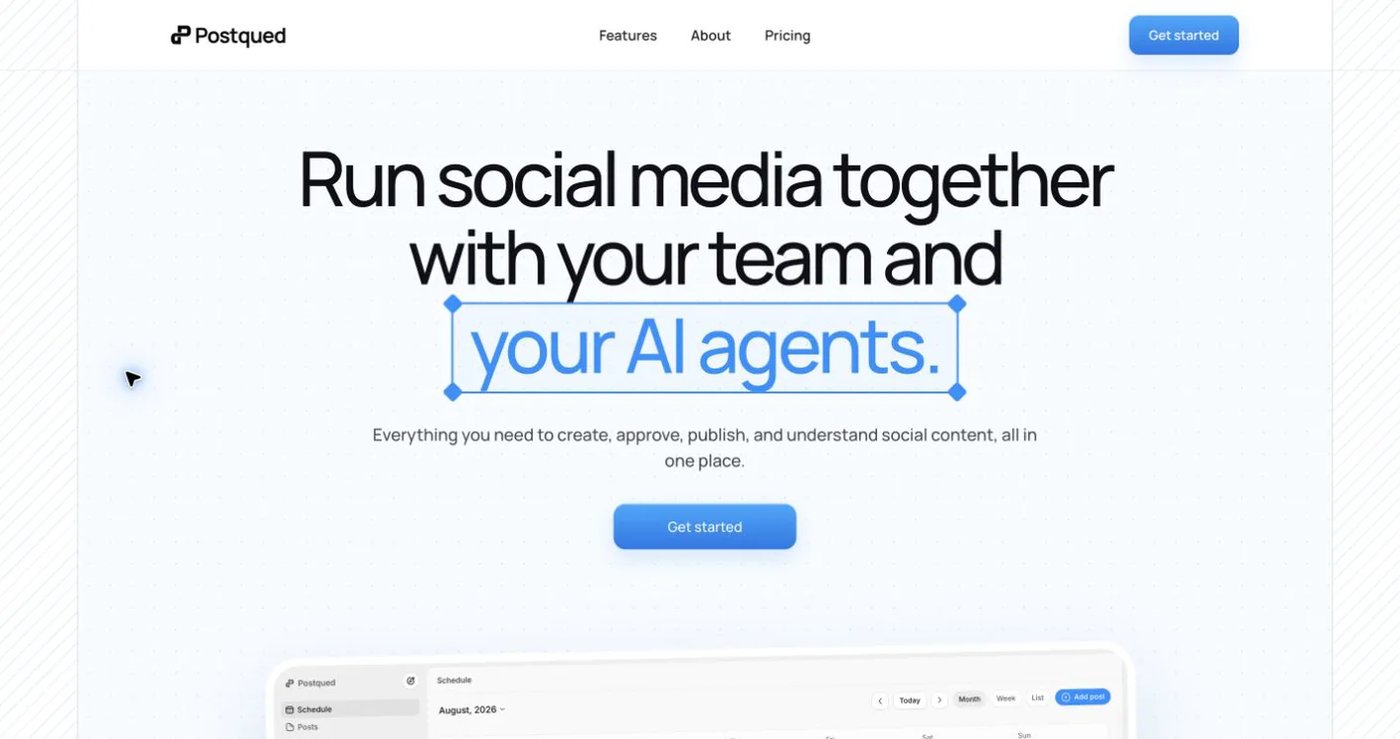
Postqued focuses on the social half of CoSchedule and drops per-seat math. Solo gives 5 accounts for $9/month, and Pro adds unlimited team seats at $49.
Teams draft posts, leave comments and caption suggestions, and approve a specific revision: the approved snapshot is what publishes. External reviewers can be invited by email. The Engagement Inbox handles comments and replies on Facebook, Instagram, Threads, X, LinkedIn, and Mastodon, wider than CoSchedule’s Social Calendar inbox. Analytics cover TikTok, Facebook, Instagram, Threads, and YouTube. Scripts and AI agents use the REST API or the MCP server with 62 tools.
It publishes to TikTok, Instagram, YouTube Shorts, Facebook, LinkedIn, Pinterest, Threads, Bluesky, Mastodon, and X. Creator is $29 for 20 accounts and Agency $199 for unlimited accounts. Every plan includes unlimited posts and a 7-day free trial.
Limitation: no email, blog, or marketing task calendar.
See Postqued pricing or compare Postqued vs CoSchedule.
2. Buffer: best for a straightforward social queue
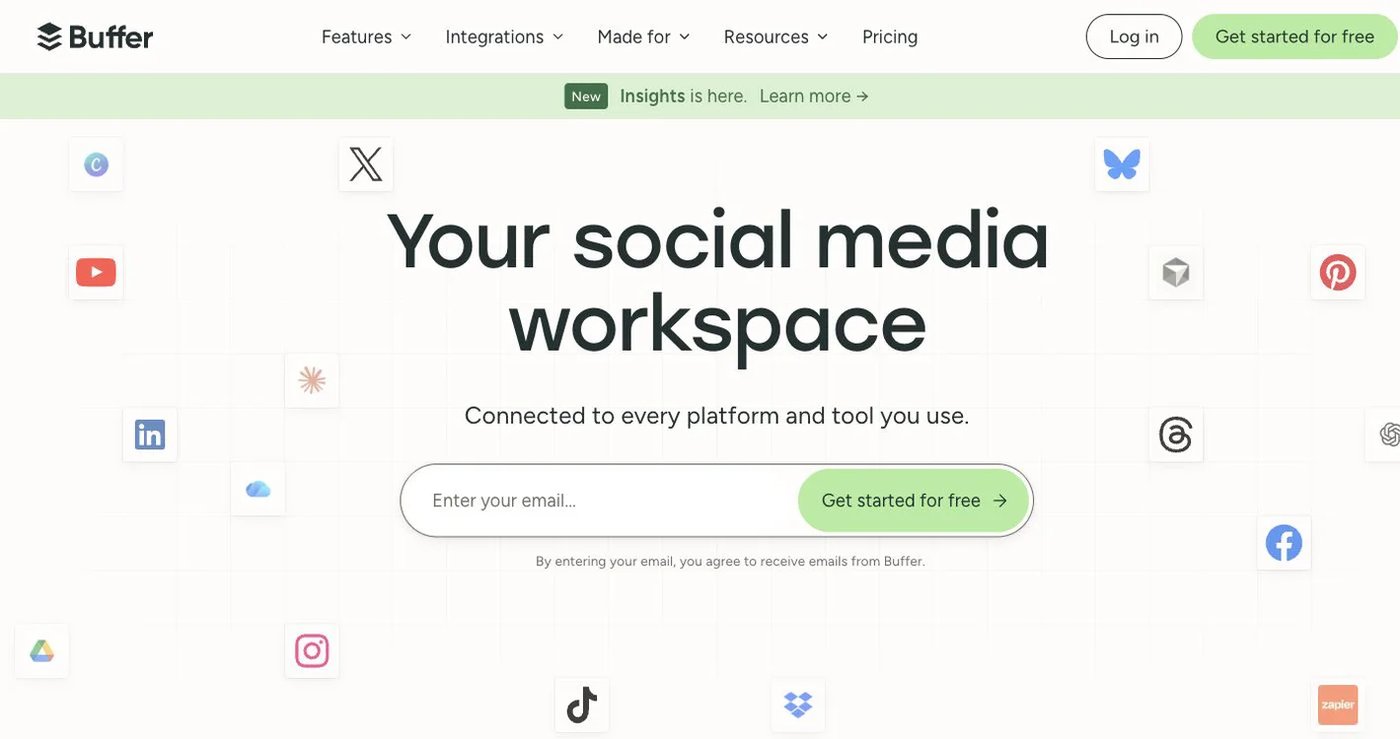
Buffer’s free plan connects three channels with 10 scheduled posts each. Essentials is $6 per channel monthly or $5 billed annually, with one user. Team is $12 per channel monthly or $10 billed annually and adds unlimited users and approvals.
Buffer offers a GraphQL API on every plan, from 3,000 requests per month on Free to 15,000 on Team. See Buffer pricing.
It does not replace CoSchedule’s campaigns, project types, or task workflows. Per-channel pricing stays cheap for a few profiles.
Choose it when you need an uncluttered queue and nothing like a campaign calendar.
3. Planable: best for visual approvals

Planable centers work on previews, comments, versioned content, and approvals. The free plan allows 50 total posts. Basic is $39 per workspace monthly and Pro is $59.
Per-workspace pricing suits one review space per client. Analytics and the inbox are add-ons, so price the full setup. See Planable’s pricing documentation.
Yearly billing is $390 for Basic and $590 for Pro per workspace. It fixes feedback scattered across email, chat, and documents, but has no campaign or task planning.
Choose it when stakeholder sign-off on each post matters more than campaign planning.
4. Metricool: best for analytics and ad data
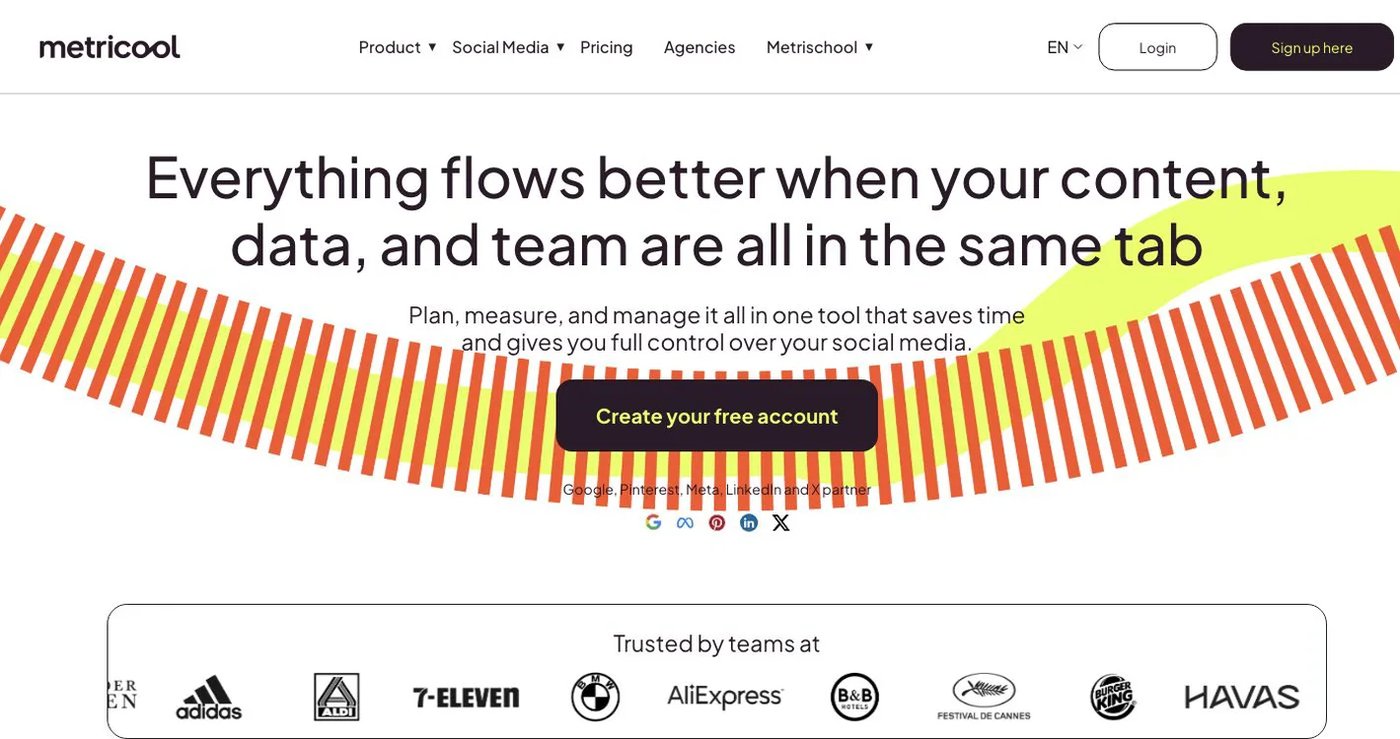
Metricool combines publishing with analytics, competitor tracking, ad data, reports, and a Looker Studio connector. The free plan covers one brand, and paid tiers scale by brand count.
Advanced starts at $67 per month for up to 15 brands and adds client management and approvals. MCP is on every plan, including Free. The API is only on Advanced and Custom. See Metricool pricing.
Brand-based pricing differs from both CoSchedule’s per-user calendars and Postqued’s account bundles, so model it with your real client count.
Choose it when reporting is the main reason you leave CoSchedule.
5. Agorapulse: best for inbox operations

Agorapulse combines publishing, a unified inbox, moderation, and reporting. It has no free plan and offers a 30-day free trial. Standard is $99 per user monthly or $79 billed annually, Professional $149 or $119, and Advanced $199 or $149. Each plan includes 10 profiles. The Reports open API is on Custom only. See Agorapulse pricing.
Professional adds approvals and assignments, and Advanced adds automated moderation and competitor benchmarking. Extra profiles are add-ons, so model the cost using both seats and profiles.
Choose it when comments, messages, and moderation outweigh calendar planning and you can absorb per-user pricing.
6. SocialPilot: best for bulk scheduling and client work
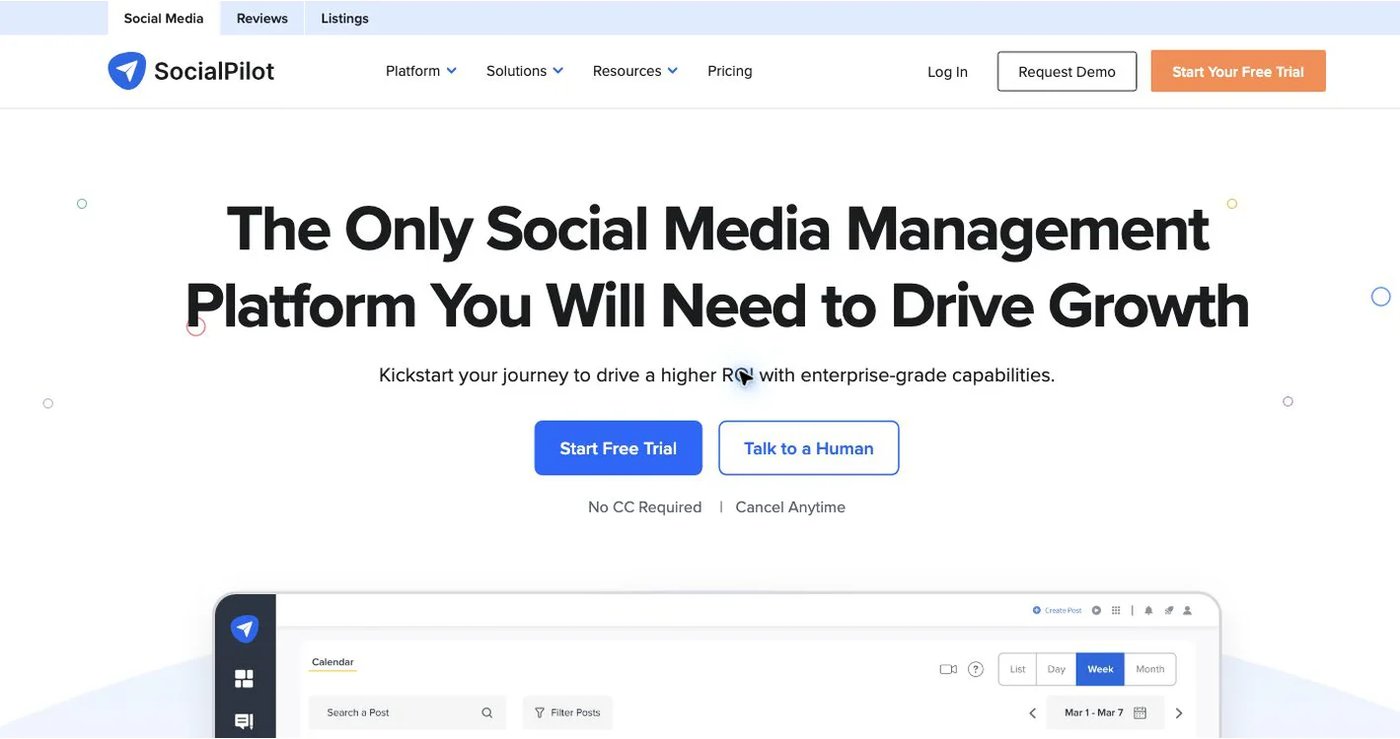
SocialPilot Essentials is $20 monthly or $17 billed annually for five accounts and one user. Standard is $40 or $34 for 10 accounts and three users, with bulk scheduling and an inbox. Premium is $100 or $85 for 20 accounts and six users, with client approvals and white-label reports. API access is on Enterprise. See SocialPilot plans.
It covers CoSchedule’s client-calendar use case but has no marketing campaign or task planning. Annual billing saves about 15 percent on every tier.
Choose it when CSV scheduling and client operations matter most.
7. SocialBee: best for recurring content categories

SocialBee uses content categories, RSS sources, and recycling to keep evergreen posts moving, similar to CoSchedule’s ReQueue. Bootstrap is $29 monthly for five profiles and one user. Accelerate is $49 with 10 profiles and approvals. Pro is $99 with 25 profiles and five workspaces.
SocialBee has no public API. See SocialBee pricing and its API guidance.
Accelerate also adds CSV uploads and bulk editing, and Pro adds report exports and internal notes. Annual billing lowers the effective monthly price on every plan.
Choose it when ReQueue-style recycling is what you use most.
How do you choose a CoSchedule alternative?
- List what lives in CoSchedule: social posts, projects, tasks, or campaigns.
- Move non-social work to a project tool if needed.
- Price your real number of users, profiles, X accounts, and clients.
- Test one campaign with a real reviewer.
- Confirm API or MCP access if you automate posting.
- Keep CoSchedule until one full publishing cycle runs in the new tool.
Which CoSchedule alternative should you choose?
Postqued is the best pick for most teams leaving CoSchedule for social: account-based pricing from $9/month, approvals, a six-network inbox, and API plus MCP on every plan. Pick Planable for review, Metricool for reporting, Agorapulse for inbox operations, SocialPilot for bulk client work, SocialBee for recycling, and Buffer for a basic queue.
Primary sources
- CoSchedule pricing, client calendar documentation, and marketing campaign documentation
- Postqued pricing
- Buffer pricing and Buffer API
- Planable pricing guidance
- Metricool pricing and plan, MCP, and API access guide
- Agorapulse pricing
- SocialPilot pricing
- SocialBee pricing and public API status
Swap per-user calendars for Postqued Pro at $49/month with unlimited seats, starting with a 7-day free trial: See Postqued pricing.