7 Best Brandwatch Alternatives in 2026
Postqued is the best Brandwatch alternative for most teams: you get published, flat pricing from $9/month instead of a sales quote, with unlimited posts on 10 platforms, revision-aware approvals, an Engagement Inbox, and API plus MCP access on every plan. Start with a 7-day free trial.
Brandwatch still wins when consumer research and large-scale social listening are the core of your work.
What are the best Brandwatch alternatives?
| Product | Best for | Pricing | Main boundary |
|---|---|---|---|
| Postqued | Publishing, approvals, API and MCP | From $9/month (5 accounts) | No listening or DMs |
| Sprinklr | Global social operations and governance | Demo and quote | Enterprise implementation |
| Oktopost | B2B attribution and employee advocacy | Sales-led | Built for B2B teams |
| Agorapulse | Inbox, moderation, and reports | From $99/user monthly | Listening is an add-on |
| Sprout Social | Customer care and governed reporting | Per-seat plans | Listening costs extra |
| Buffer | A simple publishing queue | Free tier; paid per channel | Light research features |
| Loomly | Calendar-led collaboration | From $65/month | No public API listed |
What does Brandwatch offer in 2026?
Brandwatch is a broad suite, sold by quote:
- Consumer Intelligence: research across social media, news, reviews, forums, blogs, broadcast, and websites, per its overview.
- Social Media Management: calendar, approvals, engagement, measurement, benchmarking, and listening.
- APIs: publishing, measurement, engagement, and campaign APIs. An Account Manager enables access with separate pricing, per its API access guide.
- Pricing: no public price. Packages combine products, data sources, users, and services.
If your team mostly uses the calendar and publishing, you are paying enterprise rates for a small slice of the suite.
1. Postqued: best for publishing with transparent pricing
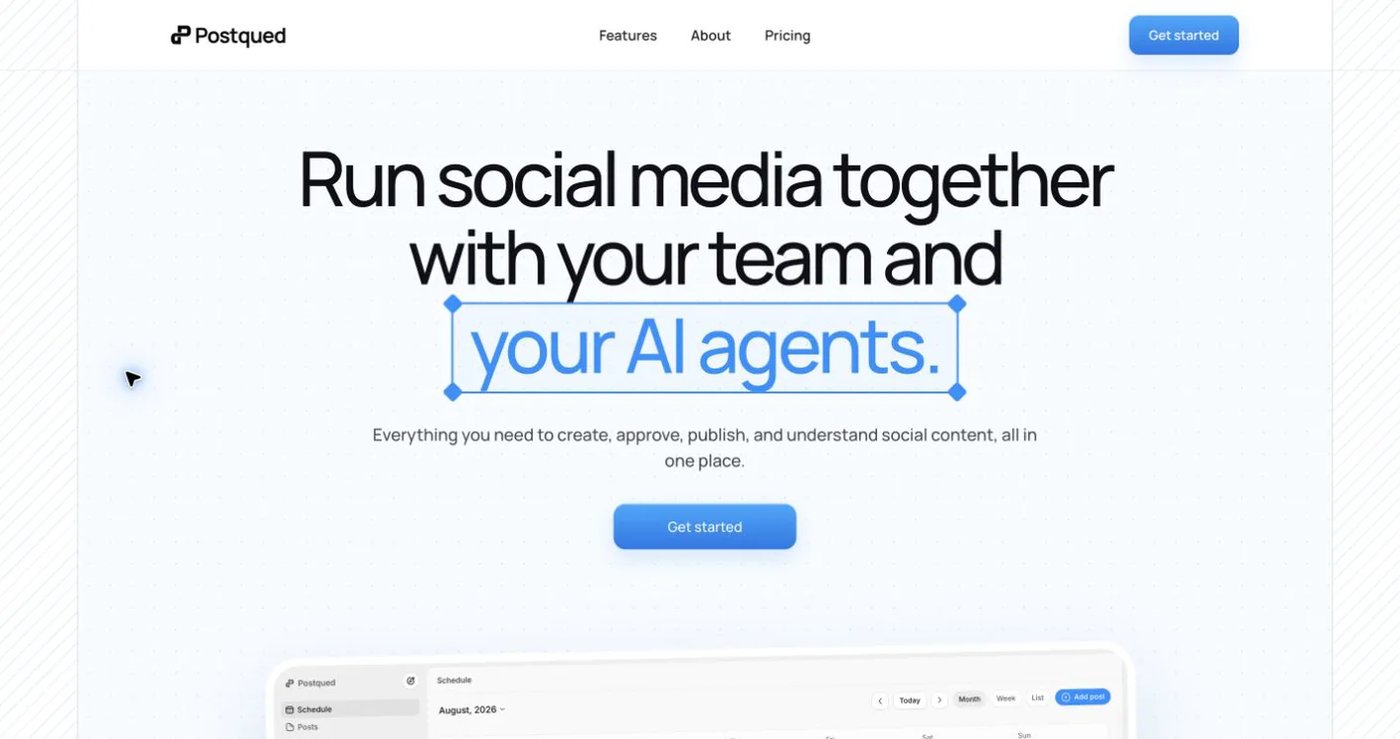
Postqued covers the part of Brandwatch most teams open daily: plan, approve, publish, and reply. You see the price before you sign up, and on Pro and Agency, team seats are unlimited.
Approvals are revision-aware, so the approved snapshot is what publishes. External reviewers can be invited by email. The Engagement Inbox handles comments and replies on Facebook, Instagram, Threads, X, LinkedIn, and Mastodon. Analytics cover TikTok, Facebook, Instagram, Threads, and YouTube. The REST API and MCP server with 62 tools let scripts and AI agents draft and schedule posts.
It publishes to TikTok, Instagram, YouTube Shorts, Facebook, LinkedIn, Pinterest, Threads, Bluesky, Mastodon, and X. Where Brandwatch quotes per package, Postqued Pro is $49/month for 30 accounts with unlimited seats and workspaces, and Agency is $199 for unlimited accounts. Smaller teams can start on Solo at $9 for 5 accounts or Creator at $29 for 20. Every plan includes unlimited posts and a 7-day free trial.
Limitation: no social listening, sentiment research, DMs, or competitor tracking.
See Postqued pricing or compare Postqued vs Brandwatch.
2. Sprinklr: best for global governance and social operations
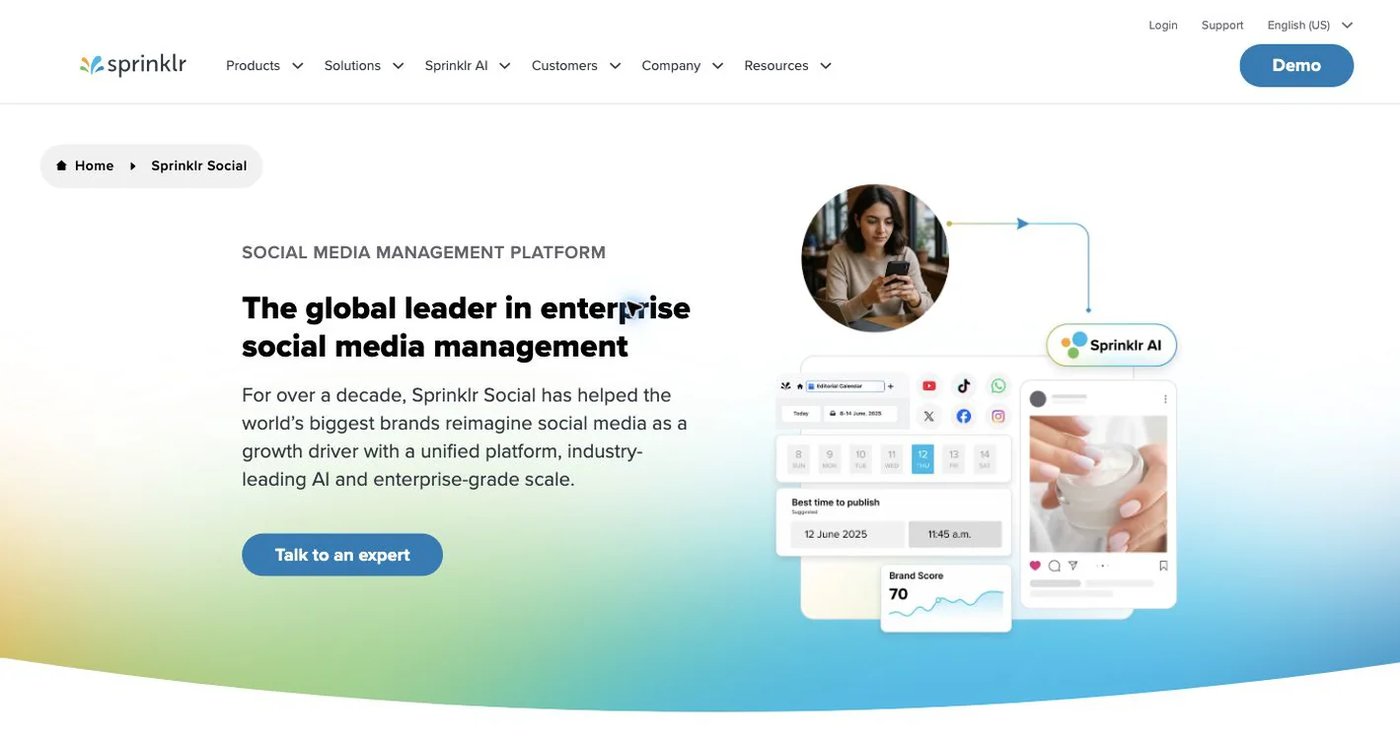
Sprinklr Social combines publishing, engagement, listening, advertising, customer service, advocacy, analytics, and governance. Its social management overview focuses on coordinating teams, markets, and brands, and its publishing covers more than 30 social and messaging channels.
It is a like-for-like enterprise replacement for Brandwatch. Buying starts with a demo, so compare contracted modules, implementation, data coverage, and support.
Sprinklr also covers customer service and advocacy, so it can replace several Brandwatch modules at once. Expect a longer rollout than a self-service scheduler.
Choose it when regional permissions, compliance, and custom routing drive the purchase.
3. Oktopost: best for B2B attribution and advocacy
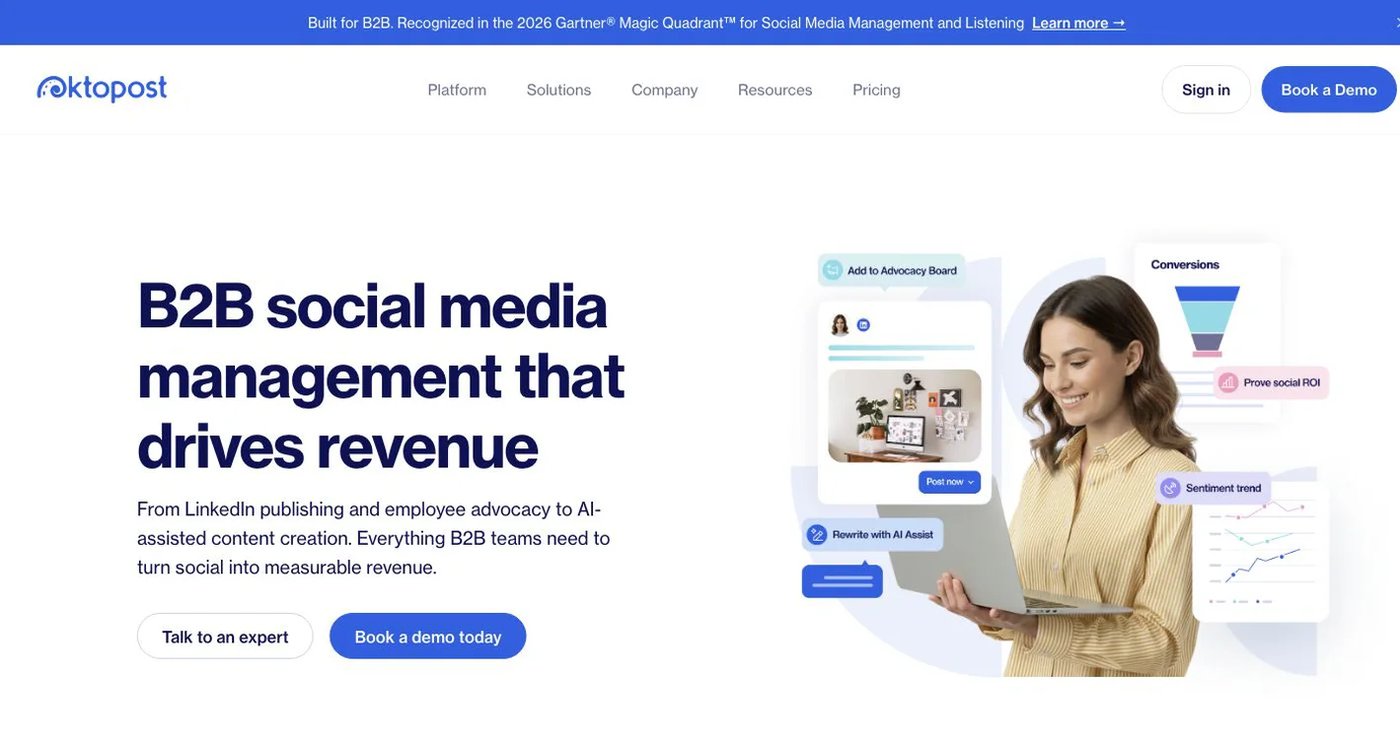
Oktopost is built for B2B social. Its platform overview combines campaign publishing, employee advocacy, social listening, analytics, and engagement, and it connects social activity to CRM and pipeline reporting.
It fits B2B teams that need to show how social campaigns influence leads and revenue. It is sales-led, so ask for exact modules, integrations, and user allowances.
Its LinkedIn-first direction and integrated advocacy board set it apart from general schedulers. Teams that only need a calendar will pay for modules they do not use.
Choose it when LinkedIn, advocacy, and pipeline attribution matter most.
4. Agorapulse: best for inbox-led social management
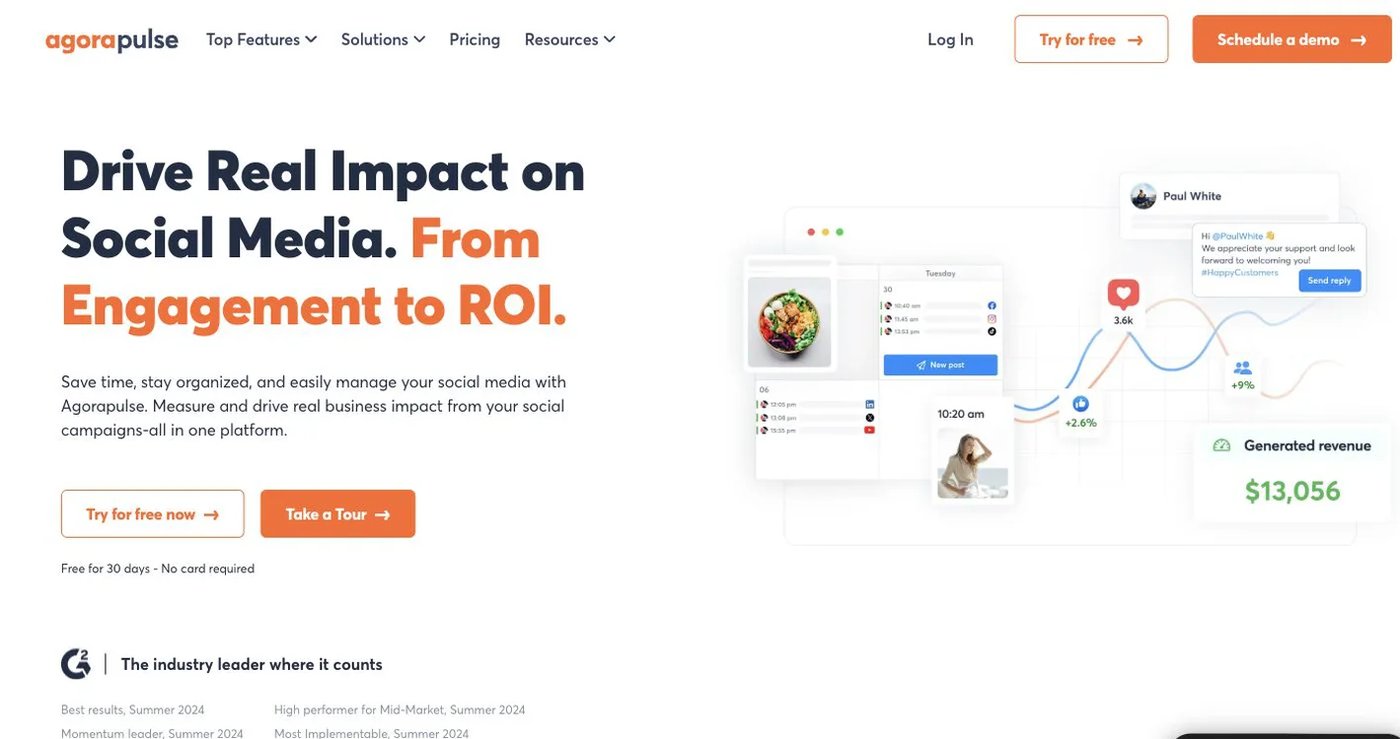
Agorapulse combines unlimited publishing, a social inbox, reports, moderation, and approvals. It has no free plan and offers a 30-day free trial. Standard is $99 per user monthly or $79 billed annually, Professional $149 or $119, and Advanced $199 or $149. Each plan includes 10 profiles, and the Reports open API is on Custom only. See Agorapulse pricing.
It handles messages, comments, and reviews depending on network. Advanced Listening is an add-on, not a full research suite.
Its per-user model gets expensive as teams grow.
Choose it when owned-channel engagement matters more than consumer research.
5. Sprout Social: best for customer care and governed reporting
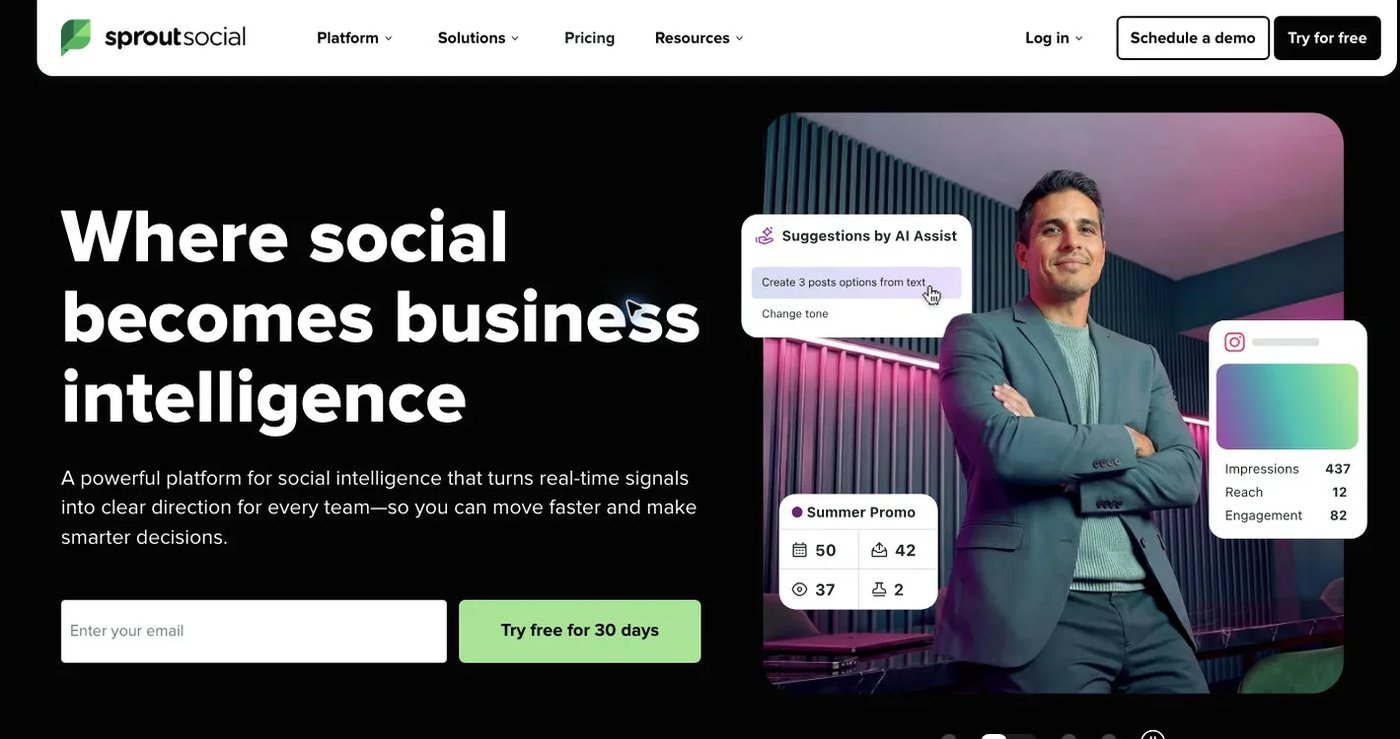
Sprout Social combines publishing, a unified inbox, reporting, reviews, approvals, and care workflows. Its plan guide positions higher tiers around inbox operations, competitive reporting, and multi-step approvals.
Listening, premium analytics, and influencer marketing can be separate purchases. Price seats and add-ons together.
Sprout is worth considering when a Brandwatch replacement must serve both marketing and customer-care teams in one inbox. A low entry tier does not reflect the cost of a multi-user team that needs listening, custom workflows, or enterprise reporting.
Choose it when one tool must serve both marketing and customer care.
6. Buffer: best for a simple publishing queue
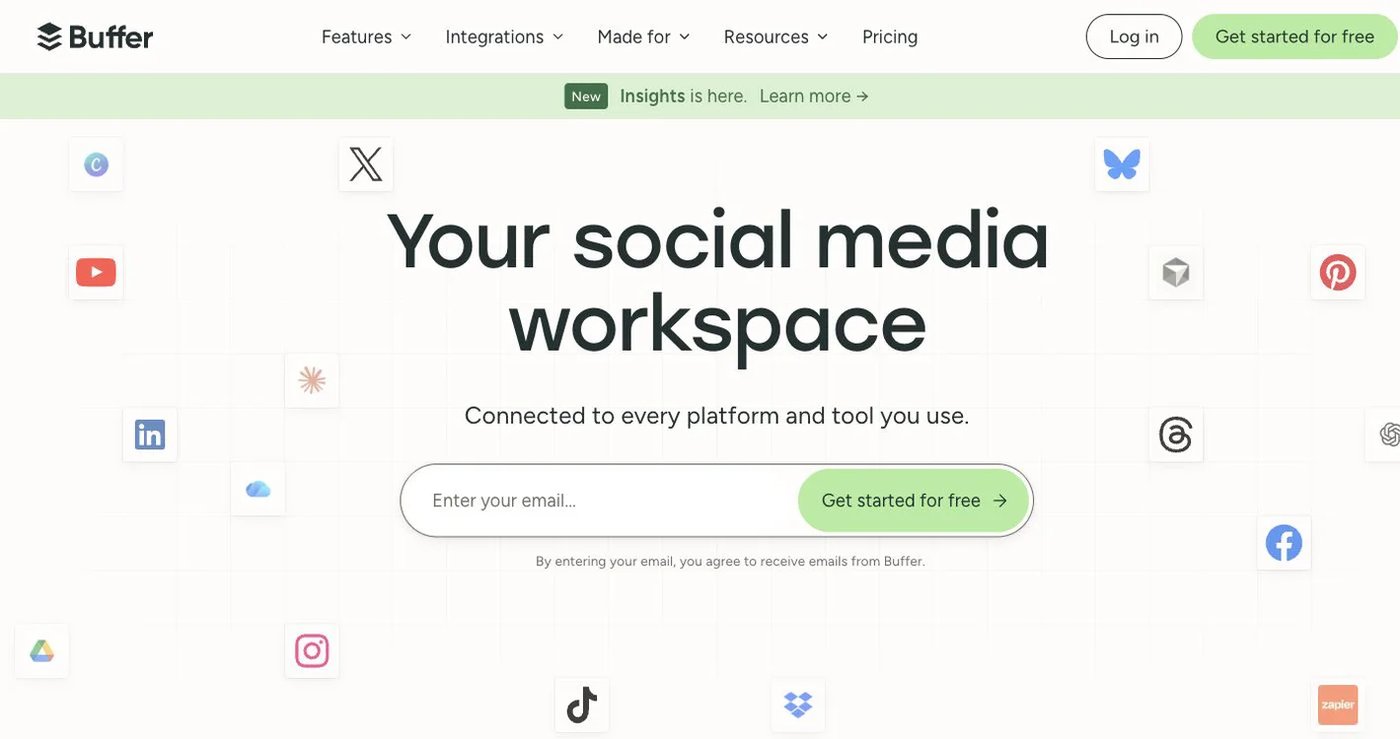
Buffer focuses on publishing, collaboration, and simple analytics. The free plan allows three channels and 10 queued posts per channel. Paid plans use channel-based pricing with volume discounts after 10 channels, per Buffer pricing.
Buffer offers an API and an MCP server on all current plans, with plan-specific rate limits, per its developer page.
It is not a substitute for Brandwatch’s consumer research, large-scale listening, or enterprise intelligence. Price it with your real channel count, since cost grows per channel.
Choose it when Brandwatch is far too broad for a small team.
7. Loomly: best for calendar-led content collaboration
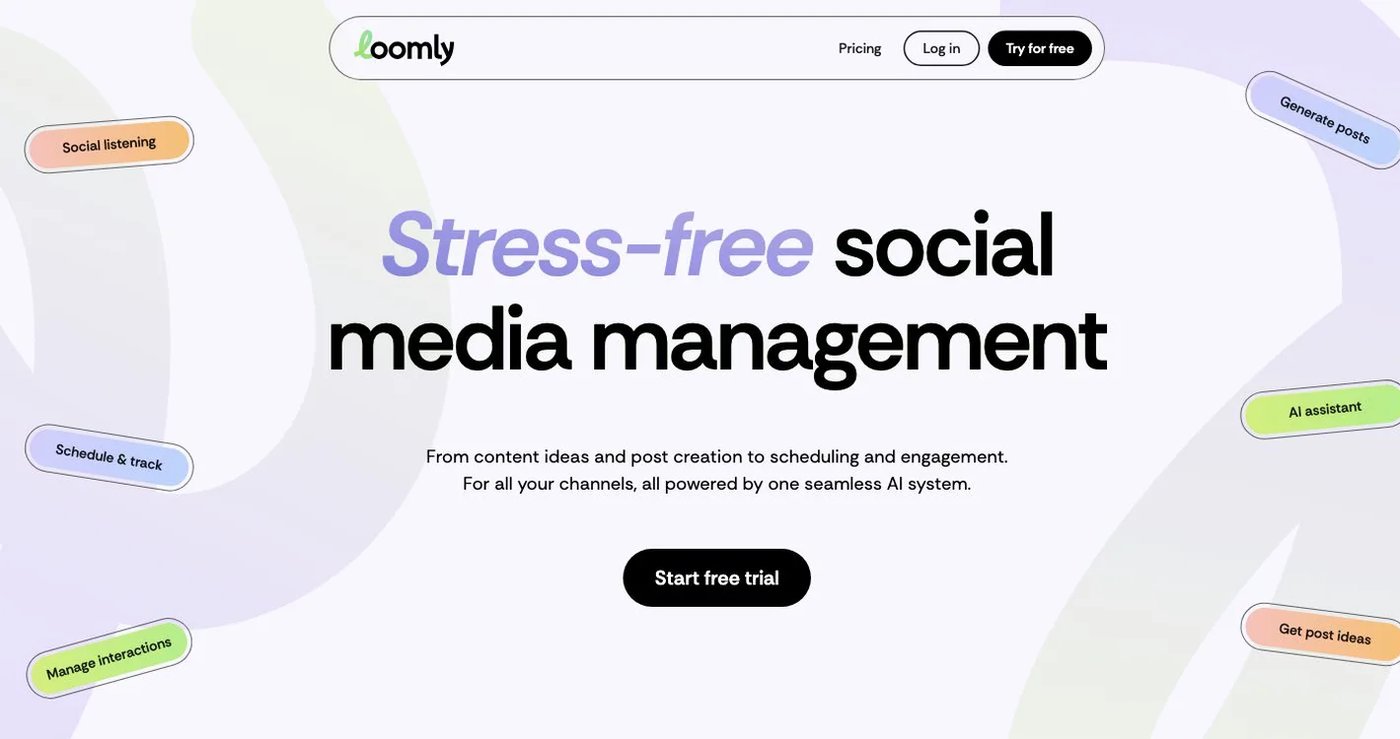
Loomly centers work on a content calendar, roles, approvals, and analytics. Starter is $65 monthly for 12 accounts and three users, or $49 per month billed yearly. Beyond supports 60 accounts and unlimited users. See Loomly pricing.
It suits stakeholders who spend their time drafting and approving in a visual calendar. It does not list a public API or MCP connection.
Beyond adds custom roles, workflows, and branding for larger teams. Teams that need listening or developer automation should plan for a second tool.
Choose it when calendar collaboration is the whole job.
How do you choose a Brandwatch alternative?
- List the Brandwatch modules your team opened in the last 30 days.
- Separate owned-account publishing from public-conversation research.
- Count publishers, approvers, analysts, and inbox operators.
- List required inbox types: comments, DMs, reviews, ad comments.
- Confirm which plan includes the API and at what price.
- Export reports and history before the contract ends.
Which Brandwatch alternative should you choose?
Postqued is the best pick for most teams leaving Brandwatch for publishing: public pricing from $9/month, approvals, an inbox, and API plus MCP on every plan. Pick Sprinklr for enterprise breadth, Oktopost for B2B attribution, Agorapulse or Sprout Social for inbox-led care, and Buffer or Loomly for simple calendars. Keep a dedicated listening tool if research matters.
Primary sources
- Brandwatch Consumer Intelligence overview
- Brandwatch Social Media Management API access and API catalog
- Postqued pricing
- Sprinklr Social
- Oktopost platform
- Agorapulse pricing and features
- Sprout Social plan guide
- Buffer pricing and Buffer API
- Loomly pricing
See a real price today: start Postqued Pro at $49/month with a 7-day free trial at Postqued pricing.