7 Best Blotato Alternatives in 2026
Postqued is the best Blotato alternative for most teams: it adds revision-aware approvals, an Engagement Inbox, and external reviewers to REST API and MCP publishing across 10 platforms, from $9/month with unlimited posts. Every plan starts with a 7-day free trial.
Blotato still wins when AI image, video, and voiceover generation is the reason you pay for it.
What are the best Blotato alternatives?
| Product | Best for | Starting price | Main boundary |
|---|---|---|---|
| Postqued | Team approvals, inbox, API and MCP | $9/month (5 accounts) | No AI video or voice generation |
| Ayrshare | Multi-tenant social features in a SaaS product | $149/month | No free plan; API infrastructure only |
| Postiz | Open-source scheduler with an API | $29/month cloud | Self-hosting adds ops work |
| Mixpost | Self-hosted social workspace | One-time licence | You maintain the deployment |
| Buffer | A simple publishing queue | Free tier; paid per channel | Little built-in generation |
| Metricool | Analytics, reports, competitor tracking | Free tier | API only on Advanced and Custom |
| Publer | Bulk scheduling and recycling | Free tier | Limits scale with plan |
How much does Blotato cost?
Blotato combines AI creation and publishing. It offers a REST API, a hosted MCP server, and n8n and Make nodes across nine networks. Its pricing page lists:
- Starter: $29 per month, 20 social accounts, 1,250 AI credits.
- Creator: $97 per month, 40 accounts, 5,000 credits.
- Agency: $499 per month, 28,000 credits, dedicated processing and support.
Starter also lists up to 900 TikTok posts per month. High-volume TikTok accounts should confirm that limit with Blotato.
The trial has one key restriction. Blotato’s billing documentation says the 7-day trial excludes the API, and generating an API key starts the paid plan.
1. Postqued: best for team approvals with API and MCP
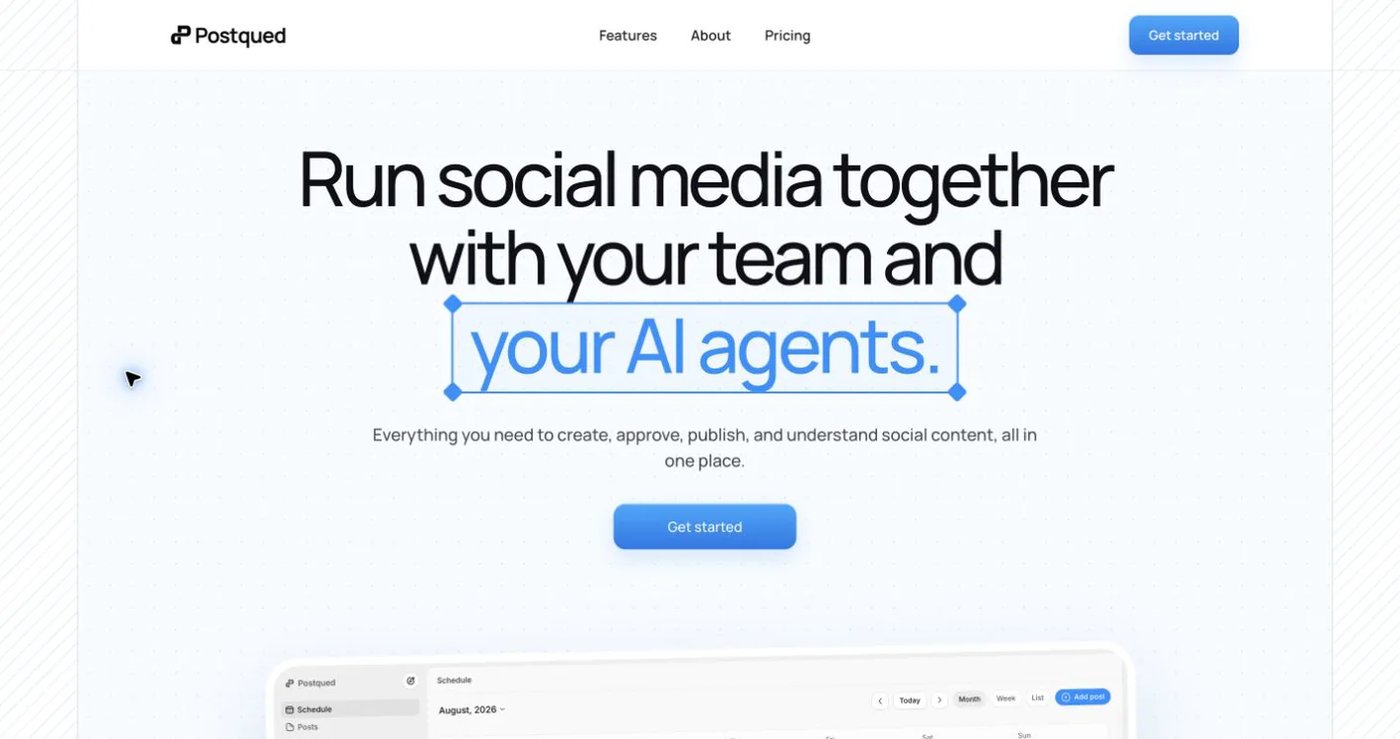
Teams outgrow Blotato when more than one person touches a post. Postqued gives writers, approvers, and AI agents one calendar. Approvals are revision-aware, so the approved snapshot is what publishes, and you can invite external reviewers by email.
Agents work through the REST API or the MCP server with 62 tools. The publish API supports dryRun validation, an Idempotency-Key header, and dispatchAt scheduling. The Engagement Inbox handles comments and replies on Facebook, Instagram, Threads, X, LinkedIn, and Mastodon. Analytics cover TikTok, Facebook, Instagram, Threads, and YouTube.
Format support covers TikTok photo posts up to 35 images, send-to-TikTok-drafts, Instagram Stories and Reels, and YouTube Shorts.
Blotato Starter and Postqued Creator both cost $29/month for 20 accounts, but Creator adds approvals and an inbox. Solo covers 5 accounts for $9, Pro adds unlimited seats at $49 for 30 accounts, and Agency at $199 is unlimited. Every plan includes unlimited posts and a 7-day free trial.
Limitation: no AI image, video, or voiceover generation.
See Postqued pricing or compare Postqued vs Blotato.
2. Ayrshare: best for embedded multi-tenant social features
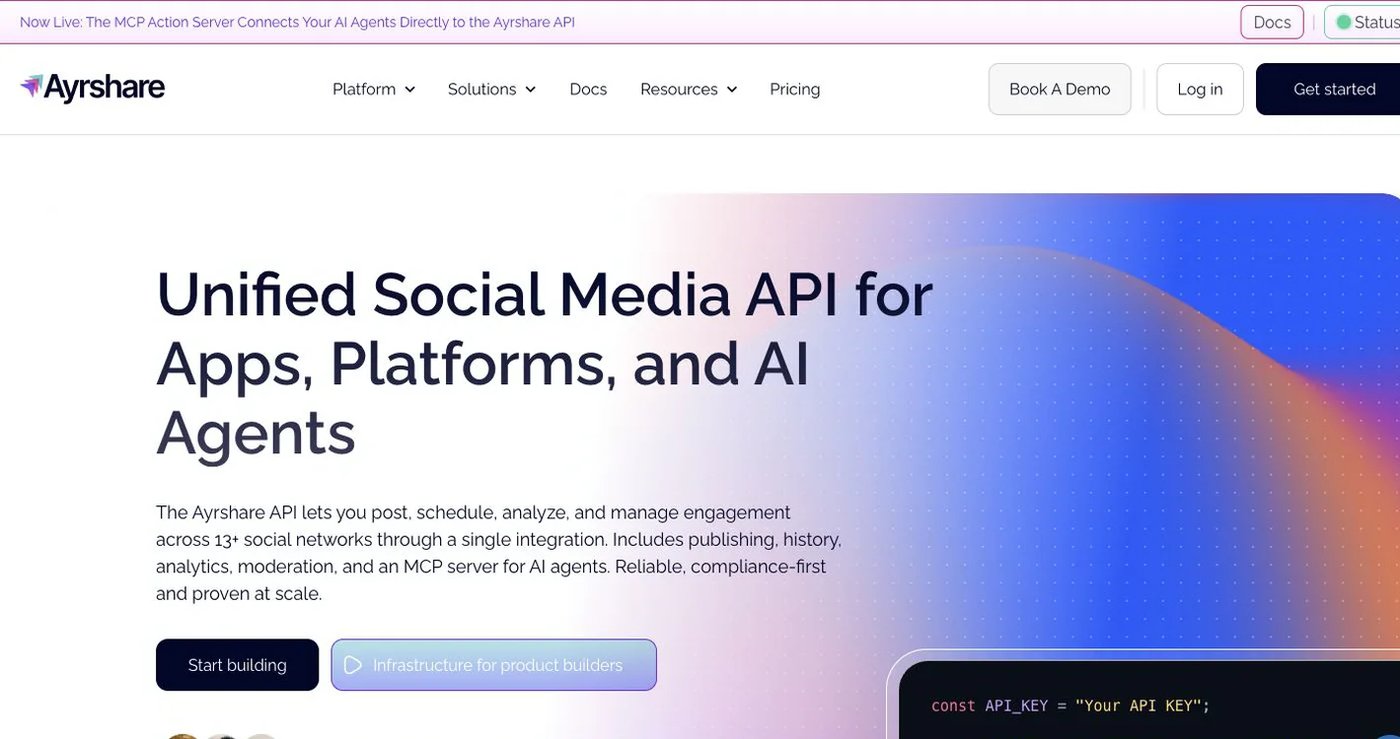
Ayrshare is a social API for SaaS products that let their own customers post. It covers publishing, analytics, comments, DMs, and moderation. It bills per social profile: one customer, brand, or location.
Ayrshare has no free plan. Premium is $149 per month for 1 profile, Launch $299 for up to 10 with a 28-day free trial, Business $599 with 30 included, and Enterprise custom from 300. See Ayrshare’s pricing.
It does not replace Blotato’s creation tools and costs far more than a scheduler for one brand.
Choose it when you embed social features in your own product.
3. Postiz: best for open-source scheduling with an API
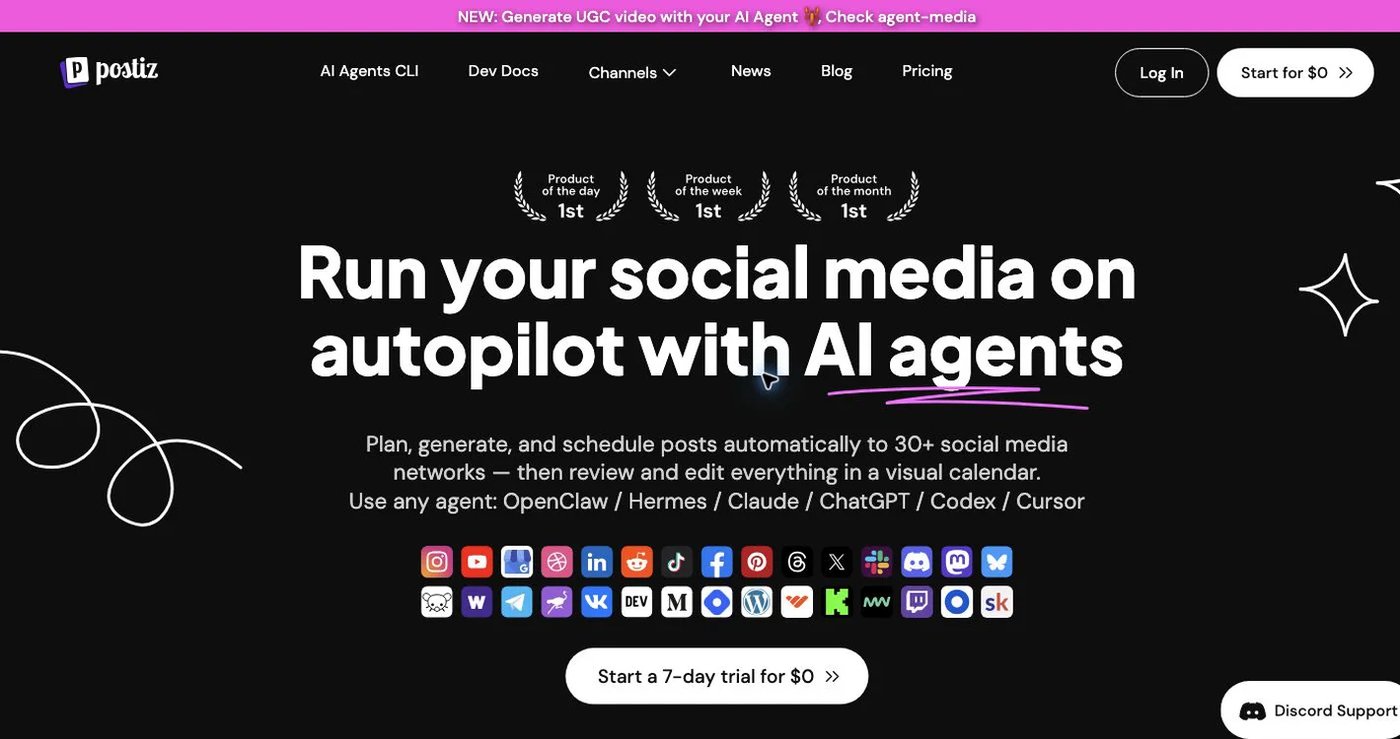
Postiz pairs a hosted scheduler with a public API, webhooks, and an open-source self-hosted edition. Cloud plans start at $29 per month, with tiers based on channels, posts, team access, and AI allowance.
The public API documentation covers cloud and self-hosted URLs and rate limits. Self-hosting means your team owns upgrades, backups, and provider setup.
Postiz does not match Blotato’s AI video and voiceover tools, so heavy creators may still need a separate generator. Include engineering time in the cost if you self-host.
Choose it when code access or self-hosting is a firm requirement.
4. Mixpost: best for self-hosted data control
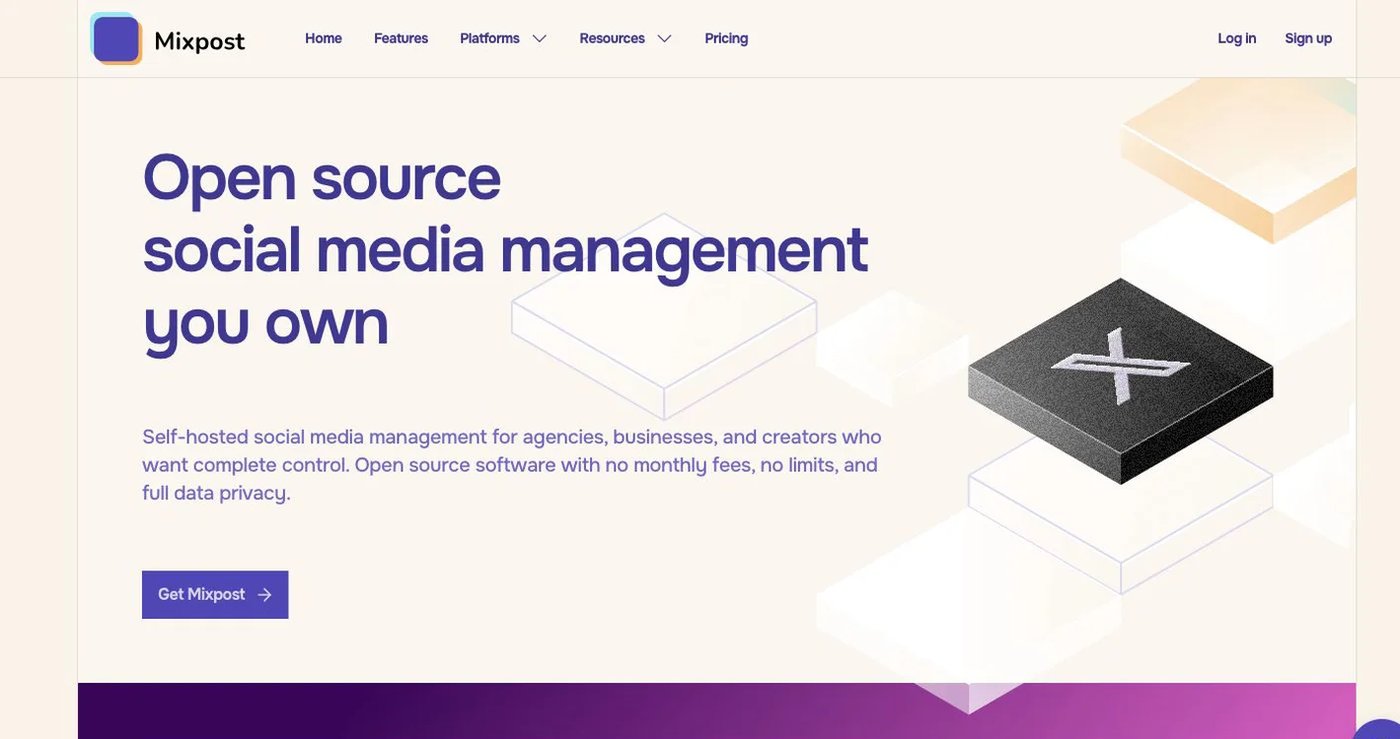
Mixpost is an open-source social workspace that runs on your own infrastructure. Commercial editions use a one-time licence instead of a subscription.
The licence is not the full cost. You also pay for hosting, a database, queues, media storage, backups, and engineering time when a network changes its API. Review Mixpost’s editions.
Mixpost has no built-in AI media suite, so it suits teams that create assets elsewhere and want full control of where data lives. Test each required network and format before migrating.
Choose it when deployment control justifies ongoing maintenance.
5. Buffer: best for a straightforward queue
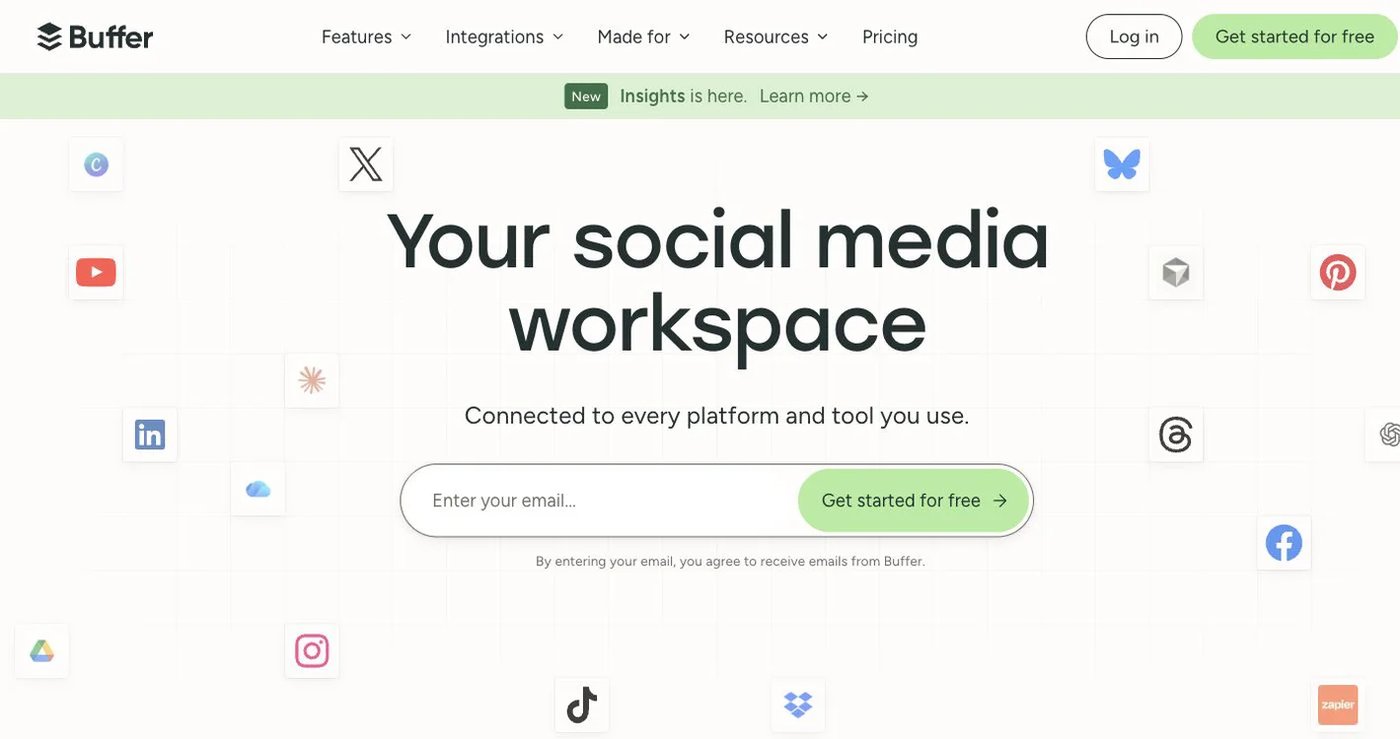
Buffer focuses on clean planning and scheduling on web and mobile. The free plan includes three channels and 10 queued posts per channel. Paid plans are priced per channel, and Team adds collaborators and draft approvals.
It suits a creator who makes content elsewhere. It has a developer platform, so check Buffer pricing and API quotas against your channel count.
It is a weaker match when Blotato’s AI media generation, remixing, or creator templates are essential to your weekly output.
Choose it when you want fewer moving parts and no AI studio.
6. Metricool: best for analytics and reporting
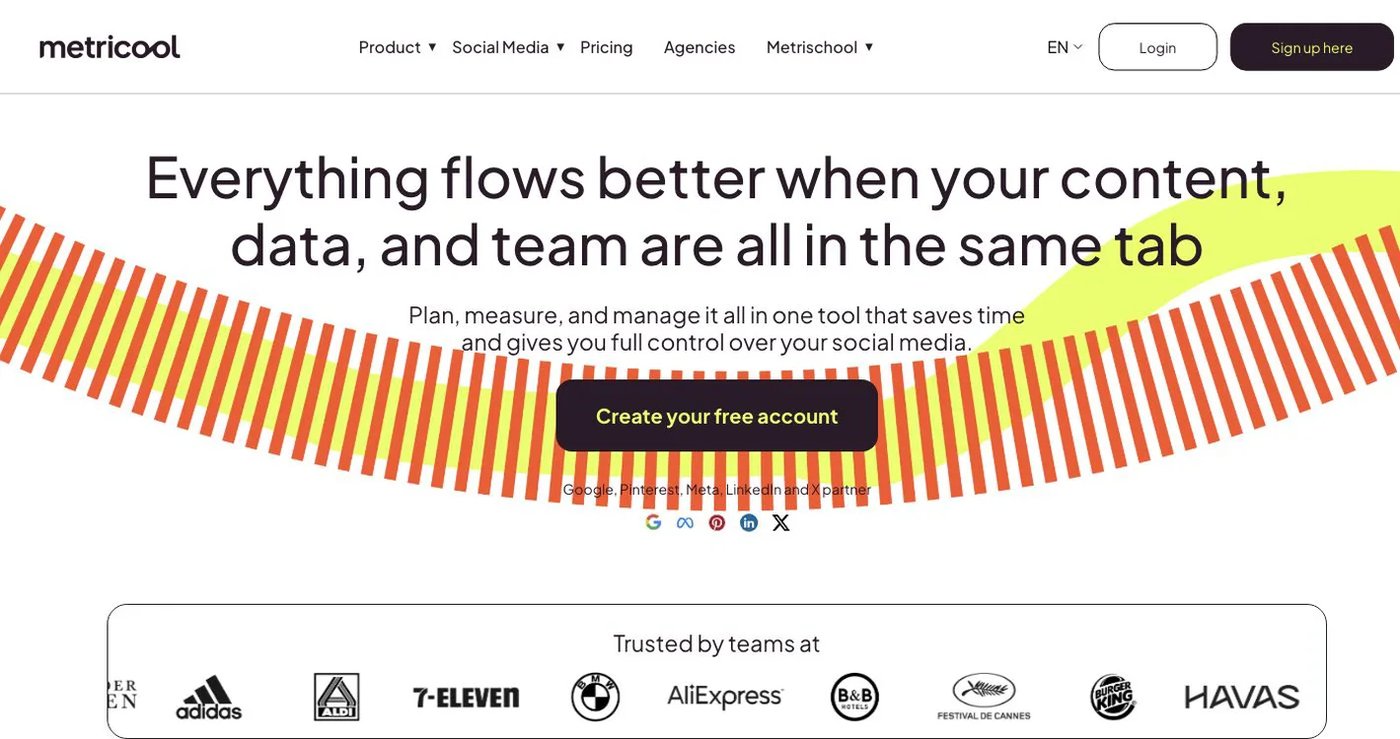
Metricool combines publishing with analytics, reports, competitor tracking, an inbox, and ad dashboards. It fits when you leave Blotato for deeper measurement.
The free plan covers one brand. MCP access is on every plan, including Free, while the API is only on Advanced and Custom. Some networks involve add-ons, so price by brand count. See Metricool’s plan and API guide.
It is not a replacement for Blotato’s AI video and voice tools, so pair it with a creation app if you generate media. Brand-based pricing fits agencies that count clients.
Choose it for reporting and competitor analysis.
7. Publer: best for bulk queues and recycling
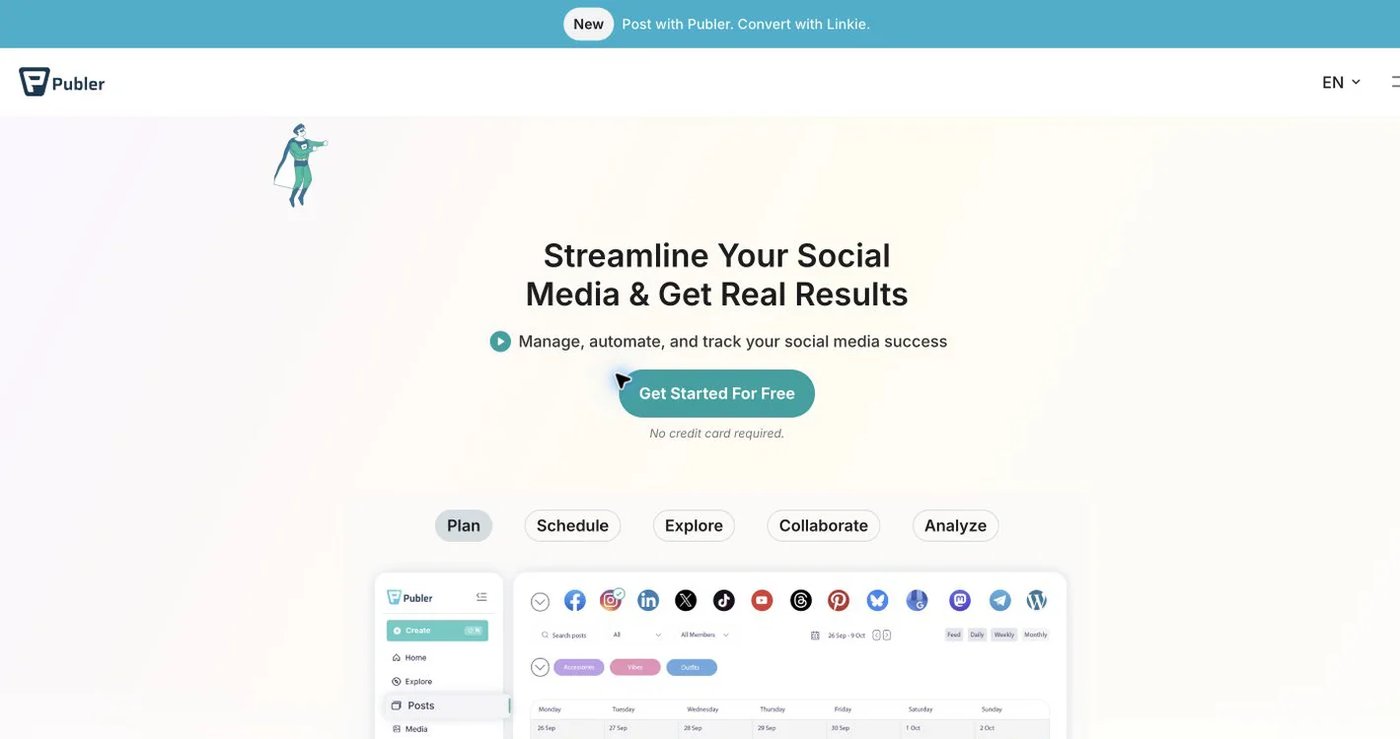
Publer focuses on scheduling efficiency: bulk upload, recurring posts, content recycling, workspaces, and AI-assisted writing. The free tier supports a small account set, and paid plans raise allowances.
It keeps evergreen posts in circulation but does not match Blotato’s video pipeline. API access is on Business and Enterprise only, so price those tiers before you build an integration. Check Publer’s pricing.
Its free tier is enough to test bulk upload, recurring posts, and recycling before you commit. Price the paid plan using your real account and team count, since allowances scale with both.
Choose it for queue management and content reuse across many accounts.
How do you choose a Blotato alternative?
- Separate creation, scheduling, approvals, analytics, and engagement into distinct jobs.
- List the Blotato generators and automations you used last month.
- List every account, post format, and network you publish to.
- Count who drafts, approves, and replies to comments.
- Confirm which plan includes API access before you build on it.
- Export assets and drafts before cancelling.
Which Blotato alternative should you choose?
Postqued is the best pick for most teams leaving Blotato: approvals, an inbox, and API plus MCP publishing on 10 platforms from $9/month. Pick Ayrshare to embed social features in a product, Postiz or Mixpost for self-hosting, Metricool for reporting, Publer for recycling, and Buffer for a simple queue. Keep a separate AI tool for video generation if you need it.
Primary sources
- Blotato pricing, billing and trial rules, API quickstart, and MCP tools
- Postqued pricing, About Postqued, and analytics coverage
- Ayrshare pricing
- Postiz pricing and public API documentation
- Mixpost pricing
- Buffer pricing and Buffer API
- Metricool plan and API guide
- Publer pricing
Move your publishing to Postqued Creator for $29/month and test it with a 7-day free trial: See Postqued pricing.